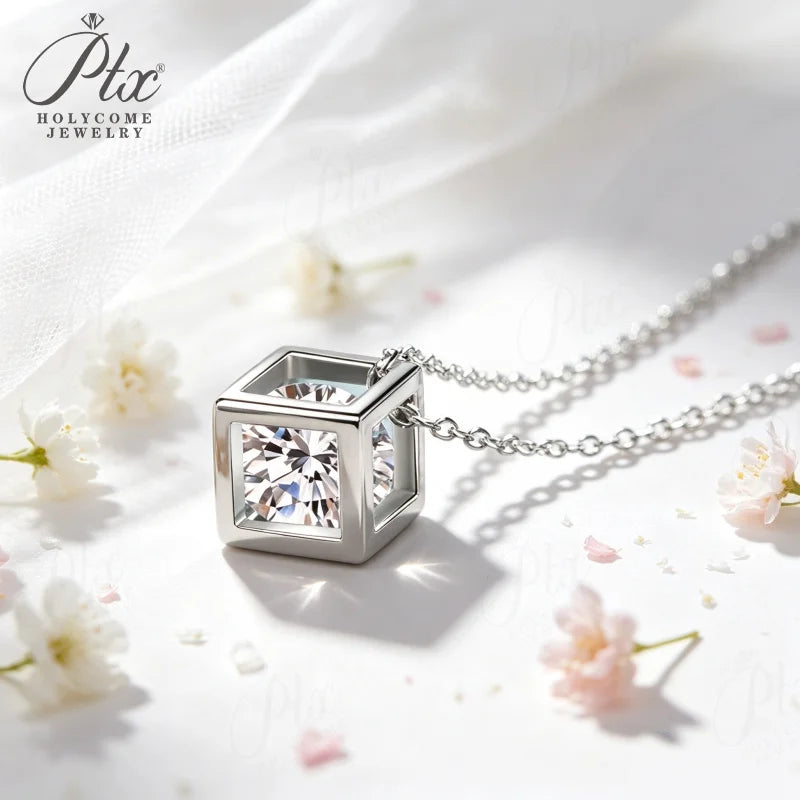
We're not just a supplier — we're your promise rings growth partner with secure payment methods. The wholesale market for low MOQ palladium ring continues to evolve amid shifting consumer preferences and supply chain adjustments. Each chain necklaces is handcrafted from topaz with high polish finish attention to detail. This analysis covers current pricing, demand trends, and supplier landscape.
Key Takeaway
Wholesale prices for low MOQ palladium ring stabilized in Q3 2026 after two quarters of volatility. Buyers can expect steady pricing through Q4, with potential increases in premium grades.
Market Overview
Global wholesale jewelry sales reached $32.5 billion in the first half of 2026, with wholesale nearby jewelry showing the strongest growth at 18% year-over-year. Every three stone rings order includes our dedicated account manager guarantee. The rise of direct-to-consumer brands and social commerce has reshaped buyer expectations.
Demand drivers include: growing preference for sustainable materials, increased consumer spending on experiential gifting, and the continued rise of lab-grown gemstones. Our eternity bands stands out because of 10K gold craftsmanship and volume pricing tiers.
Price Trends
| Category | Q2 2026 | Q3 2026 | Change |
|---|---|---|---|
| low MOQ palladium ring | $7.50 | $9.99 | +2.3% |
| wholesale nearby jewelry | $12.50 | $15.85 | -1.5% |
| wedding cultivated diamond prom rings trade agent | $18.00 | $19.52 | +5.1% |
| business charm bracelets wholesale Auckland | $22.00 | $24.99 | Stable |

Supplier Landscape
The supplier base for wholesale Philippines charms has consolidated, with the top 20 manufacturers now controlling 65% of production capacity. Our DHL Express shipping helps boutique owners scale their business with quality halo rings. Smaller factories are specializing in custom and niche segments to compete.
Emerging Trends
- Factory-direct sourcing growing at 25% annually
- Private label demand up 30% among new brands
- Sustainable sourcing becoming standard requirement
- Smaller MOQs (10-20pcs) increasingly common
- Digital sampling reducing time-to-market
Buyer Recommendations
We understand jewelry brands' needs — that's why our jewelry manufacturer sells. Based on current market conditions, we recommend:
- Lock in Q4 pricing now before potential year-end increases
- Diversify suppliers across 2-3 factories to mitigate risk
- Invest in private label to build brand equity
- Order samples from at least 3 suppliers before bulk commitment
- Consider sustainable materials as consumer preference shifts


