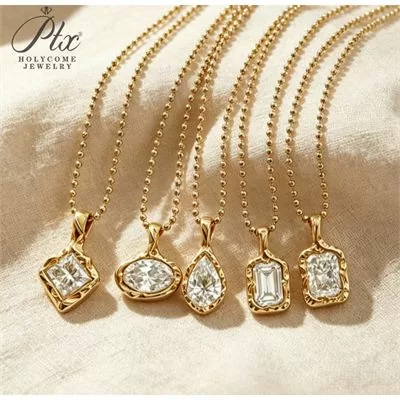
 IGI Certified-26%
Lab Grown Diamond · 925 Sterling Silver · SKU LDNK3774
$145.00$196.00/ pc
10+ pcs $145.0050+ pcs $133.40200+ pcs $124.70
MOQ 10 pcs · 10–18 days
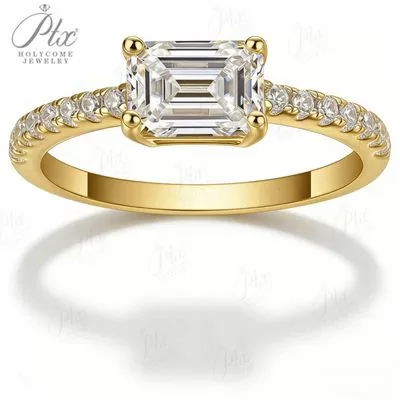 GRA Certified-26%
Moissanite · 925 Sterling Silver · SKU MORG8605
$40.00$54.00/ pc
10+ pcs $40.0050+ pcs $36.80200+ pcs $34.40
MOQ 10 pcs · 7–15 days
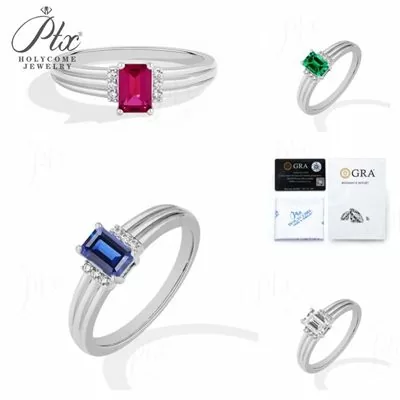 GRA Certified-26%
Moissanite · 925 Sterling Silver · SKU MORG7293
$34.00$46.00/ pc
10+ pcs $34.0050+ pcs $31.28200+ pcs $29.24
MOQ 10 pcs · 10–18 days
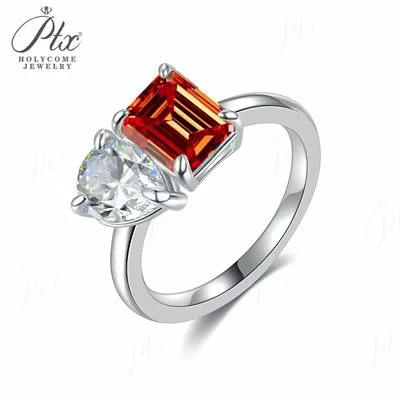 GRA Certified-26%
Moissanite · 925 Sterling Silver · SKU MORG6924
$32.00$43.00/ pc
10+ pcs $32.0050+ pcs $29.44200+ pcs $27.52
MOQ 10 pcs · 7–15 days
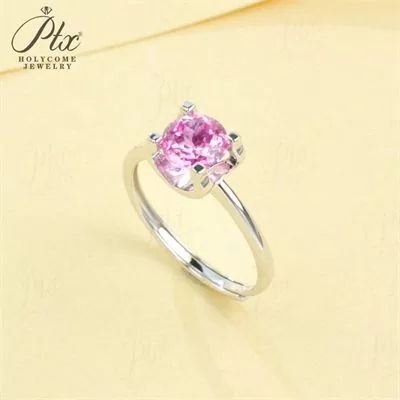 IGI Certified-26%
Lab Grown Padparadscha Sapphire · 925 Sterling Silver · SKU PPRG7938
$76.00$103.00/ pc
10+ pcs $76.0050+ pcs $69.92200+ pcs $65.36
MOQ 10 pcs · 7–15 days
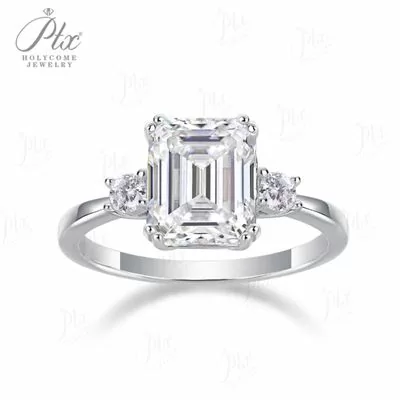 GRA Certified-27%
Moissanite · 925 Sterling Silver · SKU MORG6171
$33.00$45.00/ pc
10+ pcs $33.0050+ pcs $30.36200+ pcs $28.38
MOQ 10 pcs · 10–18 days
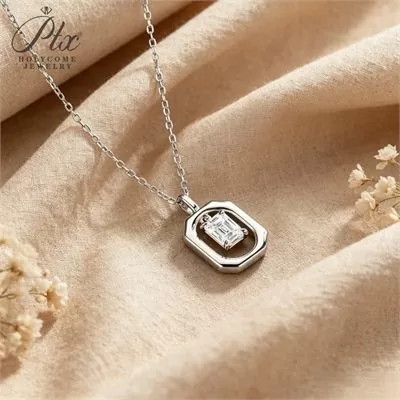 GRA Certified-26%
Moissanite · 925 Sterling Silver · SKU MONK8732
$57.00$77.00/ pc
10+ pcs $57.0050+ pcs $52.44200+ pcs $49.02
MOQ 10 pcs · 10–18 days
Choosing between five stone types
| Stone | Mohs | Best for | Stock depth we recommend |
|---|
| Lab grown emerald | 7.5 to 8 | Volume colour; hero bridal pieces | 8 to 12 designs |
| Lab grown ruby | 9 | Daily-wear rings and eternity bands | 6 to 10 designs |
| Lab grown sapphire | 9 | Widest colour range; bridal alternative to diamond | 6 to 10 designs |
| Lab grown paraiba | 7 to 7.5 | Premium niche with unique neon colour | 2 to 4 designs |
| Lab grown padparadscha | 9 | Connoisseur and anniversary pieces | Made to order |
| Fancy colour moissanite | 9.25 | Low-risk colour variety at volume | 4 to 6 designs |
The pattern is straightforward. Durability correlates with how much depth you can safely hold, and colour uniqueness correlates with how much you can charge. Emerald and paraiba are the two premium stories, while ruby and sapphire are the two workhorses. A range built only on premium stories produces slow-moving stock, and a range built only on workhorses produces no differentiation.
Durability and what it means commercially
- Corundum family at 9 Mohs means ruby, sapphire and padparadscha tolerate daily wear and ultrasonic cleaning. These are the stones to put in engagement rings and everyday bands, and they generate the fewest returns.
- Emerald at 7.5 to 8 Mohs has noticeable cleavage and chips at the corners of step cuts. Specify bezel or corner-protected prong settings, and never ultrasonic clean.
- Paraiba at 7 to 7.5 Mohs is heat sensitive and fracture-prone at the bench. Protective settings and warm soapy water only.
- Moissanite at 9.25 Mohs is harder than any coloured stone and the safest choice for high-wear lines.
Specifications that cover most demand
| Category | Sizes worth holding | Where it is used |
|---|
| Melee | 1.2 to 2.5 mm calibrated | Halos, channels, pave accents, eternity bands |
| Accent sizes | 3.0 and 4.0 mm round | Three-stone rings, earring accents, stacking bands |
| Centre sizes | 5.0 and 6.0 mm round, 6x4, 7x5 and 8x6 mm oval | Solitaire and halo centre stones |
| Statement sizes | 8x6 mm and above | Pendants, cocktail rings, premium bridal |
If you hold melee, 3 to 4 mm accents and the 6x4 and 7x5 oval centre sizes, you can answer the majority of customer requests across all five stone types without holding an excessive number of SKUs in each.
MOQ and tier pricing across the range
| Order type | MOQ | Tier pricing |
|---|
| Stock design, stock stone | 10 pcs per design | List, then 8% at 50, 14% at 200, 20% at 500 |
| Stock design, changed stone or size | 30 pcs silver or 10 pcs gold | Same tiers; stone cost re-quoted |
| New design from your reference | 30 pcs silver or 10 pcs gold | Mould cost amortised across the run |
| Paraiba and padparadscha | 5 pcs production, 1 pc sample | Negotiated per stone rather than tiered |
Quality control across coloured stones
- All colour assessment under a daylight lamp rather than incandescent, because tone reads differently under warm light.
- Matched pairs for earring orders pulled as a pair and photographed together before setting.
- Calibrated melee sorted to 0.05 mm, with the parcel sheet stating the measured range rather than a nominal size.
- Surface-reaching inclusions on prong edges rejected before setting, since these propagate under prong pressure.
- Heat-sensitive stones set at reduced torch temperature by setters experienced with tourmaline.
- Final inspection at 10x under raking light to catch chips and polishing residue in the gallery.
A starting range that works
For a new coloured stone account we recommend four emerald designs, three ruby, three sapphire, one paraiba pendant and one padparadscha ring, at 20 pieces each for the core three and 5 to 10 pieces for the two premium niches. That is 12 designs and roughly 240 pieces, enough to answer most requests, deep enough to reorder any single design economically, and small enough to photograph properly. Add fancy moissanite in three colours to fill the low-risk variety slot.
Questions about Lab Grown Emerald & Colored Gemstone Jewelry
Which lab grown gemstone should I start with?
Start with emerald for volume and colour appeal, add ruby and sapphire for durability, then add paraiba and padparadscha only once you have customers asking for premium colour. Emerald sells on colour and price, ruby and sapphire sell on daily-wear reliability, and the two premium stones sell on uniqueness. Starting with the premium pair produces slow-moving stock, while starting with emerald alone leaves you unable to answer requests for a blue or red stone.
Are lab grown gemstones chemically the same as mined?
For emerald, ruby, sapphire and tourmaline, yes. The chemical composition and crystal structure are the same as mined material, and the growth process differs rather than the substance. Emerald is typically grown hydrothermally, and corundum by flux or flame methods. This is why lab grown emerald photographs so convincingly: it has the inclusions and colour character of mined emerald rather than the flawless look of glass.
What is the MOQ for coloured gemstone jewellery?
Stock designs with a stock stone start at 10 pieces per design. Changing the stone type or size, or developing a new design, starts at 30 pieces per style in 925 sterling silver and 10 pieces in 10K, 14K or 18K gold. Paraiba and padparadscha are exceptions: production runs start at 5 pieces and single samples are available, because holding depth in those two stones is not commercially sensible.
Can you match colour across a reorder?
For emerald, ruby and sapphire we hold a master sample per grade on file under your account reference and grade each order against it, with a written tolerance of one grade. For paraiba and padparadscha, colour is a function of the growth batch, so we record and photograph each order and will tell you in advance if a batch differs visibly. On those two stones, if continuity matters, order the full quantity you need in one run.
