Factory-direct wholesale since 2016-09-06 · MOQ from 20 pcs · IGI & GRA certified

Lab Grown Sapphire wholesale

Lab Grown Sapphire Jewelry

Lab grown sapphire at wholesale: the widest colour range of any durable coloured stone, at 9 Mohs. Blue is the volume colour, and fancy colours offer differentiation at low sourcing risk.

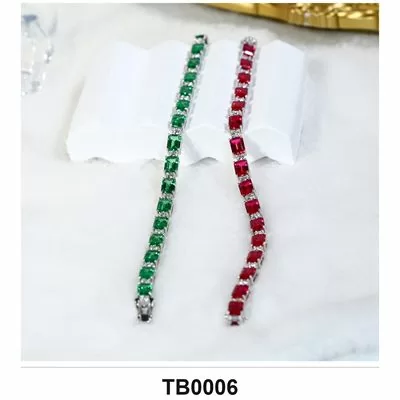
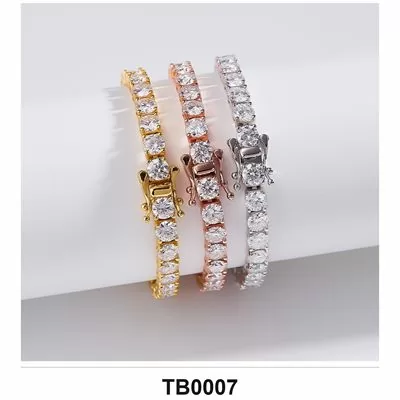
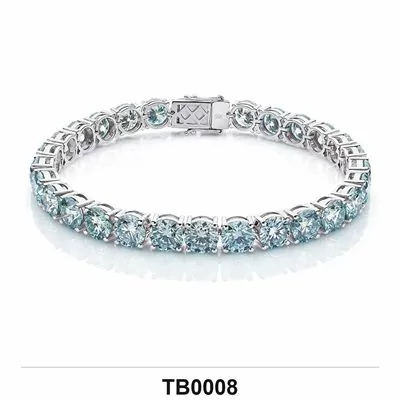
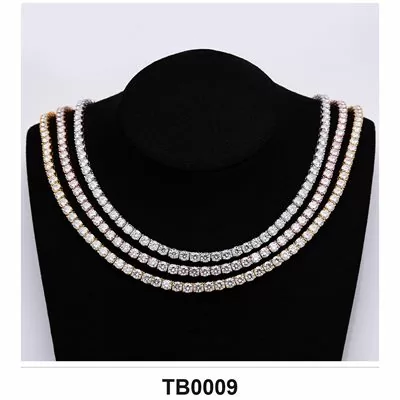
  • 9 products in this collection
  • MOQ from 20 pcs
  • Worldwide insured shipping
  • Certified stones on request

Showing 9 of 9 products

Wholesale pricing per piece. Add items to your quote list for tiered pricing.

The commercial case for sapphire

Sapphire is corundum at 9 Mohs, available in a broader colour range than any other durable coloured stone, and stable in supply. For a wholesale buyer that combination is unusual: you get emerald-level colour interest with ruby-level durability. Blue is the volume colour in every market we supply, but the fancy colours, including pink, yellow and green, are where differentiation and margin sit.

Colour options and positioning

ColourMarket positionRecommended stock depth
Royal bluePremium; strong in bridal and anniversaryDeep, 4 to 6 designs
Cornflower or medium blueThe volume colour with the widest appealDeepest, 6 to 8 designs
Light blueAccessible and fashion-friendlyMedium, 2 to 3 designs
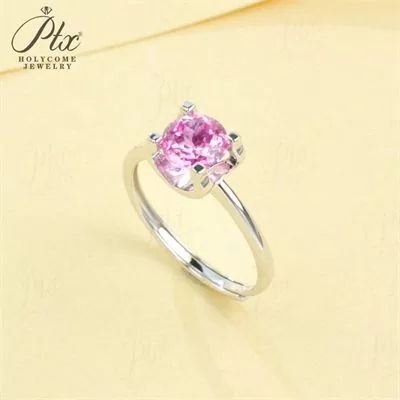
PinkStrong in fashion and giftingMedium, 3 to 4 designs
YellowDistinctive; suits yellow goldMedium, 2 to 3 designs
GreenNiche; competes with emeraldLight, 1 to 2 designs
Padparadscha pink-orangePremium niche; treat as a separate lineMade to order

Specifications to hold

FormatSizesTypical application
Round4.0, 5.0, 6.0 mmStuds, accents, solitaires
Oval6x4, 7x5, 8x6 mmThe volume centre stone
Cushion5 to 7 mmHalo and vintage settings
Emerald cut6x4, 7x5, 8x6 mmModern statement designs; sapphire handles step cuts well
Pear7x5, 8x5 mmDrop earrings and pendants
Calibrated melee1.2 to 2.5 mmHalos and channels

Selection rules for blue sapphire

  • Reject colour zoning. Uneven colour bands within a single stone are the most common sapphire defect and the most visible in an emerald cut.
  • Check tone under two light sources. A sapphire that reads royal blue under a daylight lamp and near-black under incandescent light will disappoint a retail customer.
  • Buy tone consistency across a parcel. For a multiple-unit order the stones must match each other, not just the specification, or the pieces will not merchandise as a line.
  • Prefer slightly included over pale and flawless. As with emerald and ruby, saturation sells.

Quality control

  • Colour zoning inspected at 10x under a daylight lamp before setting.
  • Tone checked under both daylight and incandescent light for premium stones.
  • Matched pairs pulled and photographed together for earring orders.
  • Prong contact verified on all points, particularly on pear and marquise tips, which have the smallest surface area.
  • Final inspection under raking light to catch polish compound residue in the setting gallery.

Questions about Lab Grown Sapphire Jewelry

Which sapphire colour should I stock first?

Stock medium blue, sometimes called cornflower, as your volume colour and hold 6 to 8 designs in it. Then add royal blue for premium pricing and pink for fashion and gifting. That combination answers most customer requests. Green and padparadscha should be made to order rather than held in depth, because demand is genuine but narrow and unsold coloured gemstone stock is harder to clear than unsold moissanite.

Is sapphire suitable for an engagement ring?

Yes. At 9 Mohs it is among the most suitable coloured stones for an engagement ring and is a well-established alternative to diamond. It tolerates daily wear, resists scratching and can be cleaned ultrasonically. Traditional bridal customers may need the durability point explained, since sapphire is often assumed to be more delicate than diamond. It is not: it is harder than emerald, ruby-equivalent, and harder than anything except diamond and moissanite.

Do you supply calibrated melee in sapphire?

Yes, in 1.2 mm to 2.5 mm calibrated sizes sorted to 0.05 mm, supplied as parcels with a grading sheet stating size range, colour band, clarity band, piece count and total carat weight. Melee is not individually certified below about 0.30 ct, because grading would cost more than the stone. For channel and halo work, give us the exact channel dimensions rather than a nominal size so we can match the parcel to it.

How does sapphire pricing compare with emerald and ruby?

At equivalent size and grade, blue sapphire prices broadly alongside lab grown ruby and above lab grown emerald per carat. Yellow and green sapphire are usually a little cheaper to source. In finished silver jewellery the difference between the three stone types is small, because metal and labour dominate unit cost, which is why we recommend running all three rather than choosing one: the customer appeal of each is different.

Get a factory quote in 12 hours

Send us your stone list or design files — we quote with real factory pricing.

Products Search Quote WhatsApp