Wholesale Sourcing
How to Read a Wholesale Moissanite Supplier Quote Line by Line
Two suppliers quoted the same 6.5mm round moissanite at $48 and $72. The gap was not profit margin. Here is what to read before you pick the lower number.
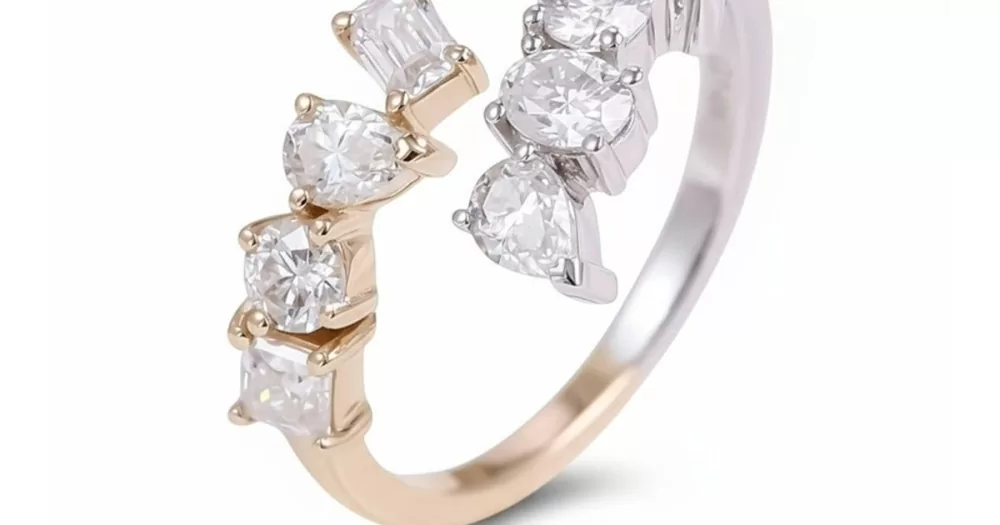
A buyer in Fort Worth asked three factories to quote a solitaire engagement ring set with a 6.5mm round brilliant moissanite. The numbers came back at $48, $61, and $72 per piece in a 50-piece order. He almost sent the PO to the $48 supplier. He did not, because the $48 quote left three lines blank that the $72 quote spelled out: stone grade, rhodium plating microns, and certificate level. That difference is the whole story of reading a wholesale moissanite quote.
The line items a real moissanite quote should carry
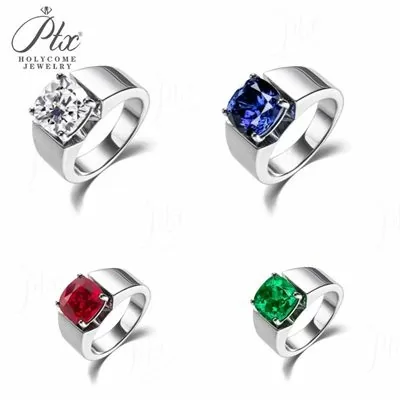
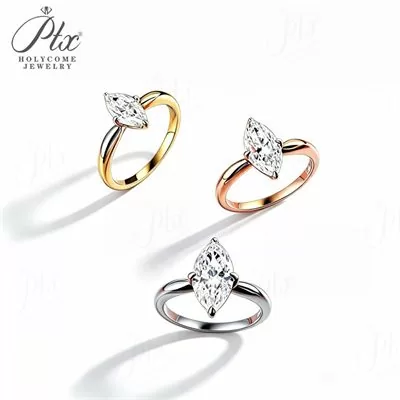
Moissanite is sold by physical size far more than by mined-carat weight, so a serious quote leads with the millimeter dimension, not a carat figure. A 6.5mm round is roughly a 1.0 carat equivalent, a 8.0mm is near 2.0ct, and a 9.0mm approaches 3.0ct. When a quote only says moissanite ring with no size, treat it as incomplete. Compare the structure of the quote against the moissanite reference on Wikipedia so you know which optical claims are physical facts and which are marketing.
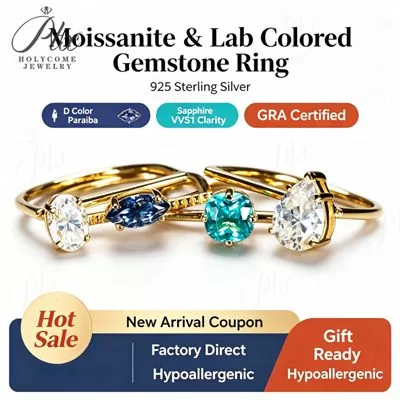
A complete quote should list, on one line each: stone shape and size; color grade (most wholesale stock lands D to F); clarity grade (VVS1 to VS2); cut grade (3EX is the expected floor for round stock); the metal (925 sterling, 10K/14K gold vermeil, or solid gold); plating thickness; the certificate type; the per-piece price; the MOQ; and the lead time. If any of these is missing, the supplier has invited you to discover the cost after deposit. You can cross-check how certificates map to grade on our guide to moissanite certificate levels.
Why the per-piece number is not the whole price
The $48 ring and the $72 ring were not the same product. The cheaper stone was a VS2 with a slightly gray face-up tone, plated at 0.5 microns of rhodium, and shipped without a certificate card. The $72 version was VVS1, near-colorless, plated at 2 microns, and included a printed certificate and a velvet pouch. Add retail resale math: the VS2 stone that looks gray under store lighting comes back in returns; the thinner plating that wears off in six months triggers warranty claims. The apparent $24 saving per piece, on a 50-piece order, is $1,200 before you count returns. For margin math behind that, see our wholesale-to-retail margin formula.
Plating thickness is the line buyers skip most. Wholesale sterling moissanite rings usually carry 1 to 3 microns of rhodium. Below 1 micron, the white tone dulls fast; above 3 microns, you pay for durability most boutiques do not need. Ask the supplier to state microns, not just white plated. You can read more on stone demand by region in which moissanite SKUs move in which markets.
Grade tiers: what VVS vs VS actually changes at wholesale
At 6.5mm and below, clarity differences rarely face up, so VVS1 and VS2 sell for nearly the same retail look. Above 8mm, inclusions read more easily and the VVS premium is justified for engagement stock. Color matters more: stones graded below G will show a warm or gray cast that price-sensitive shoppers notice under 5,000K store bulbs. Use the same 4C vocabulary labs apply to diamonds, outlined on GIA 4Cs page, so your grade questions match the supplier vocabulary.
Does a cheaper moissanite quote always mean a middleman?
No. It usually means a cheaper stone, thinner plating, or no certificate. A middleman markup shows up as a quote that is vague on factory address and slow on video calls. Pull the factory detail from our moissanite supplier verification checklist.
Should I trust a quote that only lists a per-piece price?
No. A one-line price cannot tell you size, grade, plating, or cert. Ask for a revised quote with those fields filled before comparing it to any other supplier.
How much should setting and plating add on top of the stone?
For a solitaire in sterling, setting labor typically runs $4 to $9 per piece, and 2-micron rhodium plating adds roughly $1.50 to $3. If your quote bundles these invisibly, ask for the breakdown so you can compare like with like.
What certificate level do I need for retail resale?
Most boutiques reselling moissanite need at minimum a GRA-style card stating stone size, color, clarity, and cut. Higher-end retailers ask for IGI-linked lab reports. Match the certificate to your price point, not the other way around.
Reading a quote is half of sourcing; negotiating the order is the other half. If you are comparing moissanite factories for a recurring line, request a quote breakdown on stone, setting, and plating, then send us your specs for a matched wholesale price. We quote in 50-piece lots with stated grade, micron plating, and certificate on every line. See how MOQ negotiation works, or open a wholesale account today.