
925 Silver
Plating Thickness in Microns: What Wholesale Buyers Should Know About 925 Silver Finishes
Plating thickness is measured in microns, and the number you agree with your supplier decides how fast a ring wears through to the silver underneath. Here is the practical spec sheet.
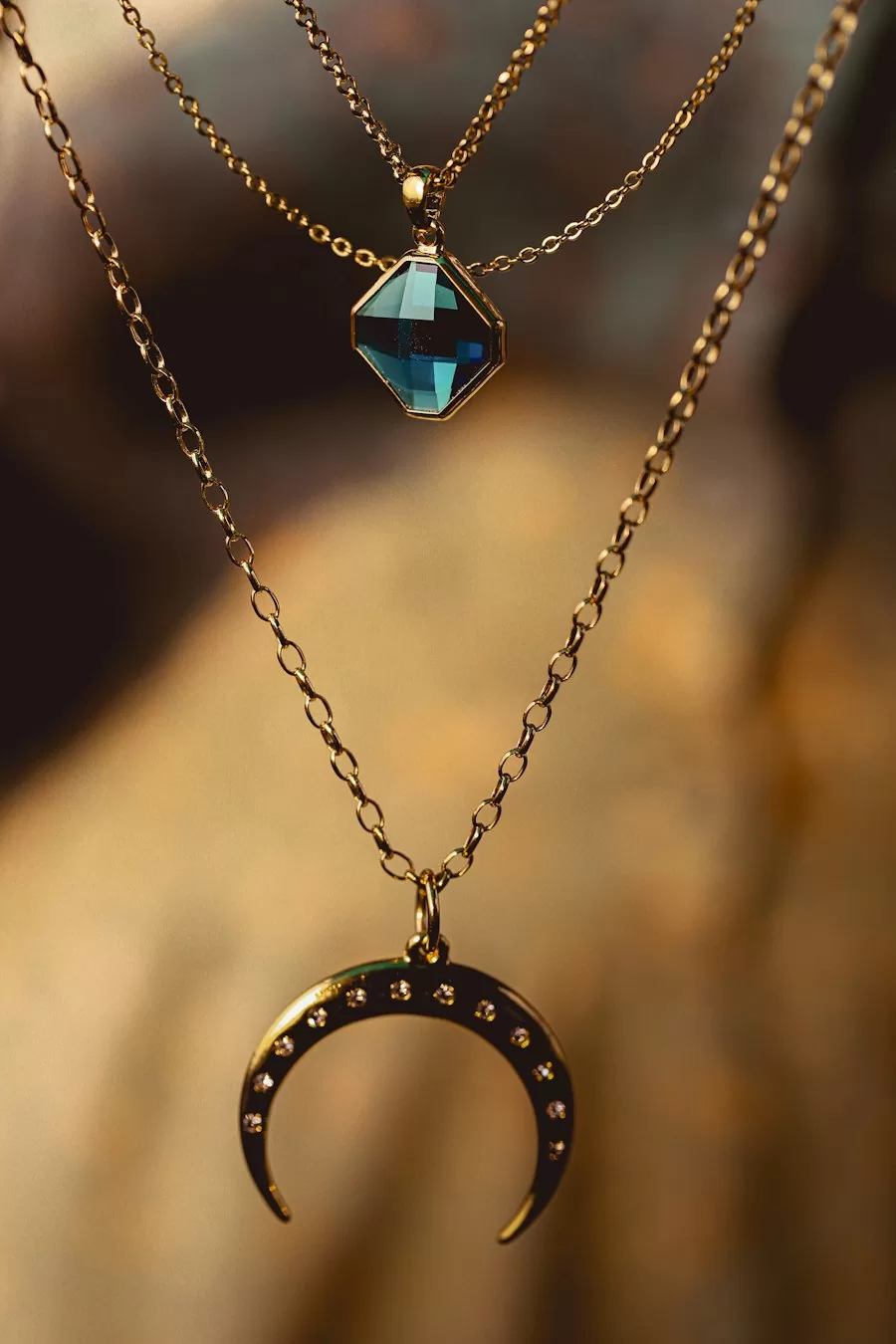
One of the least visible but most consequential specs on a wholesale jewelry order is plating thickness, measured in microns. Two pairs of sterling silver earrings can look identical on a product photo, yet one wears through to the silver base in months while the other stays bright for years. The difference is almost always the micron spec your factory applied, not the underlying silver itself.
For retailers, plating failure shows up as customer complaints: a white ring turning faintly yellow at the back, gold vermeil wearing thin on a bracelet edge, or a stud post darkening where it brushes the ear. Each complaint is a return, a refund, and a small erosion of the store's reputation. Understanding microns lets you write a spec into your purchase order instead of hoping for the best, and it gives you a concrete reason to prefer one supplier over another when two quotes look identical.
What a micron means here
A micron is one-thousandth of a millimeter — far too small to see with the naked eye, but large enough to determine durability. Decorative rhodium or gold plating on 925 sterling silver typically lands between 0.03 and 0.5 microns for fashion lines, while a heavy "durable" plating can run 1 micron or more. The number matters because plating is sacrificial: every day the ring rubs against a hand, a counter, a seatbelt, or another chain, a tiny amount of that layer abrades away. Thicker plating buys you time before the silver base shows through, and that time is measured in months of customer satisfaction rather than weeks.
Match plating to the product type
Not every piece needs the heaviest plating, and over-plating everywhere wastes money you could spend elsewhere. Stud earrings that the customer removes at night and stores in a box can live happily at 0.05 to 0.1 microns. Rings, bracelets, and wedding bands that never come off take constant friction against desks, keyboards, and door handles, and should be quoted at 0.25 microns or higher. Necklaces sit in between, since they move but rarely abrade. When you place a mixed order, ask your supplier to vary the micron rating by product category rather than applying one average across the whole box. This single instruction often improves durability on your highest-wear SKUs at almost no extra cost.
Watch the undercoat and adhesion
Thickness alone does not guarantee quality. A poorly bonded 0.5-micron plate will peel in patches, while a well-prepped 0.2-micron plate can last years. Ask whether the factory applies a nickel or copper undercoat, and remember that nickel undercoats can affect EU nickel-release compliance, which matters if you sell into the European market. Ask also whether pieces receive a final burnish or lacquer seal to slow tarnish. Reputable manufacturers will send plating thickness test reports or cross-section samples on request; if a supplier hedges when you ask for the number, that answer tells you everything.
Set a written return standard
Once you agree on a micron target, put it on the order acknowledgment. If a customer reports wear-through within the warranty window and the measured plating falls below your agreed spec, you have a documented basis for a replacement claim rather than a goodwill argument. This single habit separates buyers who silently absorb plating losses from those who pass them back upstream where they belong. Keep a sample of each plated style in your own drawer so you can compare a worn return against the original finish and judge objectively.
Use it in your own marketing
Plating thickness is not just a defense — it is a selling point. Retailers who specify durable plating on their higher-wear rings can tell customers the piece is built to last, and that promise justifies a modest price premium over the thin-plated fashion jewelry sold by mass-market competitors. When you know the number, you can sell the quality behind it.
Next time you compare two silver quotes that look the same, ask for the plating micron figure. The cheaper one almost always skips thickness, and your customer-facing margins will pay for it later.
Keep a simple wear-test in your own store as well. Pick one representative ring from each supplier and wear it yourself for a month on a busy hand. You will learn more about plating durability in four weeks of real friction than from a dozen spec sheets, and you will have a firsthand answer the next time a customer asks how long the finish lasts. That confidence, backed by a written micron spec, is what turns a price comparison into a quality decision your customers trust.
Remember that plating spec applies to imports as well. Pieces finished abroad to a lower, undocumented standard can fail faster even when the underlying silver is genuine, so always confirm the micron rating on the order itself rather than trusting the sample you tested. A small note on each purchase order — "rhodium plating minimum 0.25 microns on rings" — removes ambiguity and gives you leverage if a shipment arrives thinner than agreed.
Authoritative References
For buyers who need to verify the technical and regulatory basis of this guide, the following independent institutions publish authoritative reference data:
- Wikipedia: Sterling Silver - the 92.5% silver alloy standard and hallmarking conventions.
- ISO 9001 Quality Management - the international standard for consistent production quality.




