Wholesale Sourcing
Wholesale Jewelry Catalog Photography: What Actually Sells
Product photos sell more jewelry than the piece itself. Here is how to shoot a catalog that converts, without a studio budget.
Jewelry is sold in photographs. The customer cannot touch the piece, cannot try it on, and cannot see the weight. What they see is the photo, and the photo decides whether they add to cart. Wholesale brands that invest in good photography out-convert brands that do it on a phone by a factor that is hard to ignore. The good news is that you do not need a full studio. You need the right setup and the right shot list.
The shot list every product needs
Every jewelry SKU should have at least five shots:
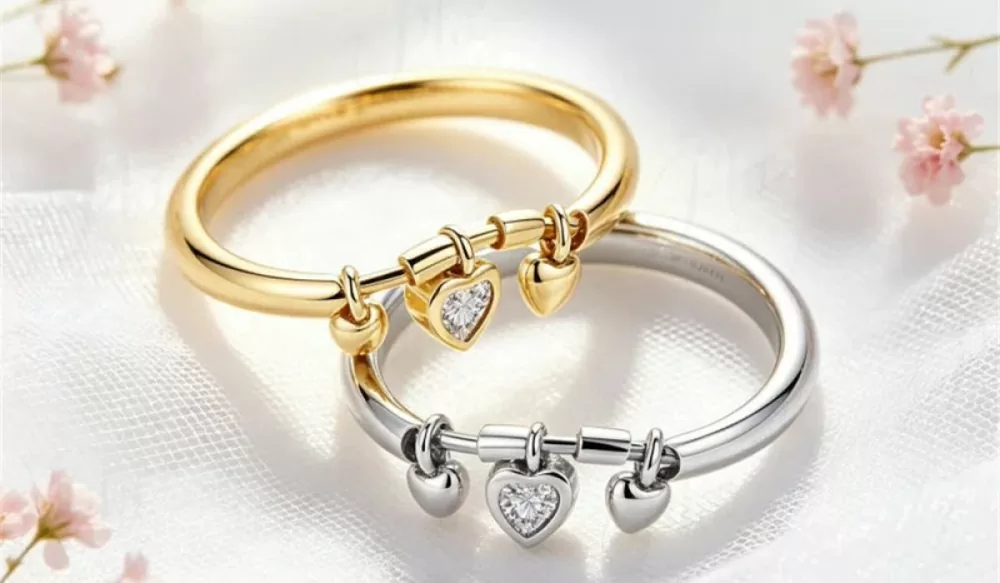
- Hero shot on a clean background - the piece centered, lit evenly, white or neutral gray background.
- Detail shot - close-up of the stone, engraving, or signature detail.
- Worn shot - on a hand, ear, neck or wrist, for scale and context.
- Back / side shot - shows the setting, the back of the ring, the clasp.
- Scale reference - next to a coin, ruler, or on a model's finger, so the customer knows the size.
The worn shot is the most under-used. A ring on a finger tells the customer the size, the fit, and how it looks in real light. A ring on a white background tells them nothing about scale. Include both.
Lighting that flatters metal and stone
Jewelry photography is mostly about light. A soft, diffused light source from two angles (a softbox on each side) eliminates harsh reflections and brings out the metal. A single hard light creates hot spots that blow out the stone. The cheapest setup that works: two clamp-on LED daylight bulbs ($15 each) bounced off white cards, a smartphone on a tripod, and a neutral background. You do not need a $5,000 camera.
| Shot type | Lighting | Background |
|---|---|---|
| Hero / product | Two softboxes, 45 degrees | White or light gray |
| Detail / macro | Single soft light, low angle | Neutral |
| Worn / lifestyle | Natural window light | Real setting |
| Scale reference | Even overhead light | Plain surface |
Backgrounds and props that help vs hurt
Clean backgrounds sell jewelry. Props help only when they add context. A ring on a piece of raw silk looks elegant. A ring on a cluttered desk looks cheap. For a catalog, keep backgrounds simple: white, light gray, or a single textured surface (wood, stone). Avoid busy props that compete with the piece. The jewelry is the product, not the props.
Color accuracy: the hidden issue
Metal color is the most common photography complaint. A 14k gold ring photographed under cool white light looks pale. A rhodium-plated silver ring photographed under warm light looks yellow. Calibrate your white balance, and shoot under daylight-balanced bulbs (5500K). The customer wants the photo to match the piece on arrival. If the photo looks warmer or cooler than the real thing, you will get returns.
Model shots and diversity
For worn shots, use models with a range of skin tones. A silver ring that looks great on fair skin may look different on deeper skin tones. Customers buy when they can picture themselves wearing it. You do not need a professional model - a friend with a phone camera and good light works for a small catalog. The key is consistency: same lighting, same angle, same background across the range.
Video: worth the effort in 2026
A 10-second video clip of the piece rotating, or worn on a hand, converts better than a static shot on most platforms. You do not need cinematic production. A phone on a turntable ($20) with soft light gives you a usable 360-degree clip. TikTok and Instagram shopping reward video; a static catalog photo does not perform as well on those channels.
Outsourcing vs doing it in-house
A professional product photographer charges $30-$80 per SKU, which for a 50-SKU catalog is $1,500-$4,000. That is a real cost, but it is a one-time cost, and the photos last for years. For a brand starting out, doing the photos yourself with a phone and two lights is reasonable. Once the catalog grows past 30 SKUs, the time you spend shooting is time you are not spending on marketing and sales. Outsource the photography once the math says your time is worth more than $50 an hour.
The photo is the product in ecommerce. The customer cannot hold the ring, cannot feel the weight, cannot see the sparkle in real light. What they see on the screen is all they have. A catalog with consistent, well-lit photos across every SKU reads as a professional brand. A catalog with a mix of phone snapshots and studio shots reads as a hobbyist. The difference is not the camera; it is the consistency of light, background and angle across the range.
We supply product photography guidance with every wholesale order, including a shot list and background references. More on how we support brands is on the wholesale resources page. The photo sells the piece; the piece has to match the photo. Get both right and the conversion takes care of itself.
Authoritative References
For buyers who need to verify the technical and regulatory basis of this guide, the following independent institutions publish authoritative reference data:
- ISO 9001 Quality Management - the international standard for consistent production quality.
- Wikipedia: Jewellery - manufacturing processes, materials and global trade background.