
925 Silver
Rhodium Plating Thickness on Sterling Silver: A Micron Guide for Buyers
Not all rhodium-plated sterling silver is equal. The plating thickness in microns is what decides whether your inventory looks new after one customer wear—or after a year.
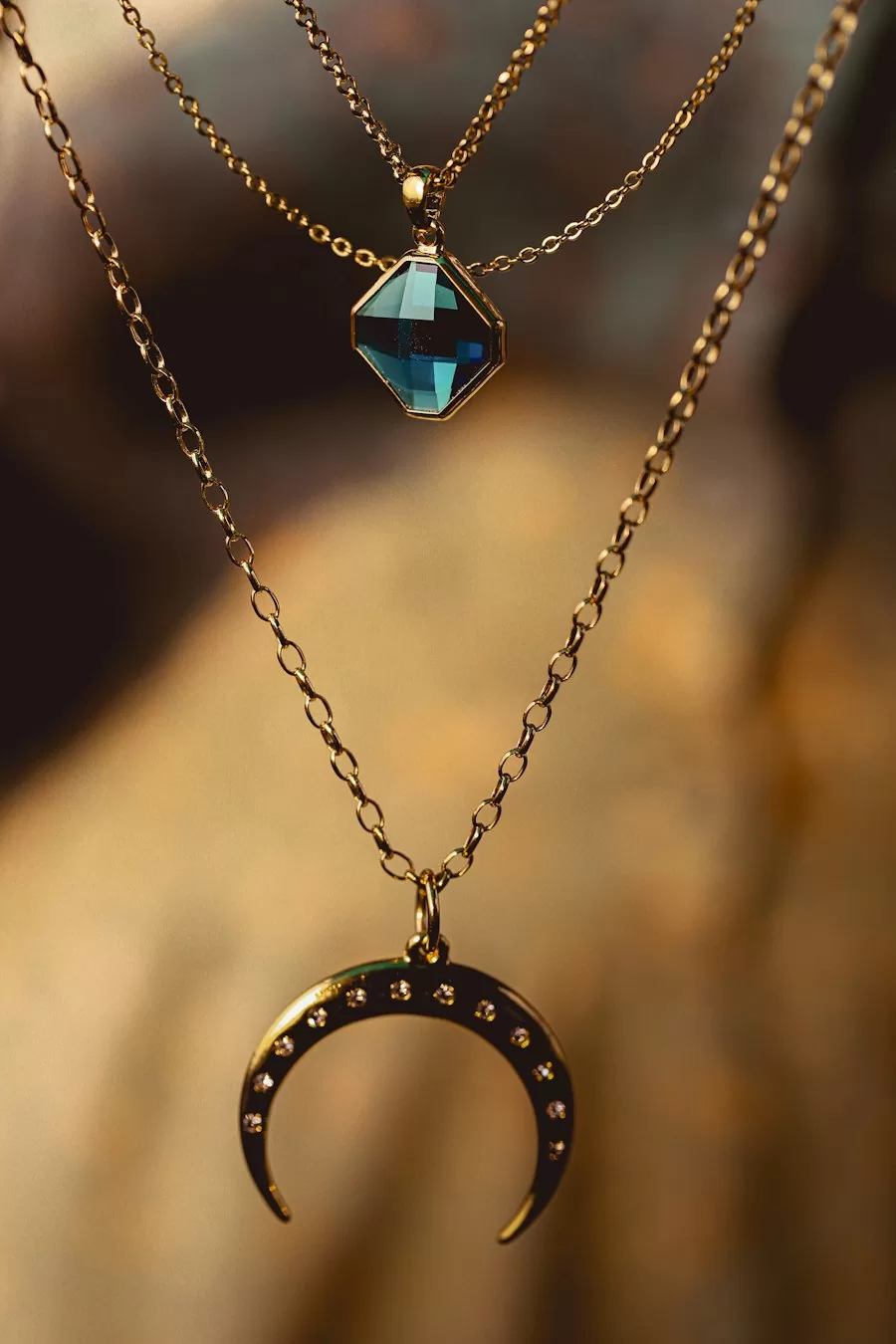
Two pieces of sterling silver jewelry can look identical on the showroom floor and age in completely different ways. One stays bright and white for years; the other shows a dull, brassy cast within weeks of customer wear. The difference is rarely the silver itself—it is the rhodium plating, and specifically how many microns of it were applied. For wholesale buyers stocking 925 silver, plating thickness is one of the most under-discussed quality variables in the catalog.
Why sterling silver gets rhodium at all
Sterling silver is 92.5% silver alloyed with copper, and it tarnishes naturally when exposed to air and sulfur. Rhodium is a platinum-group metal that is plated over the top to deliver a brilliant white, tarnish-resistant surface and a heavier white-metal feel. Rhodium is also hypoallergenic on the surface, which matters for sensitive ears and necks. Without it, even high-quality sterling silver darkens between cleanings.
The problem is that rhodium is a thin electroplated layer, and thin layers do not last. The question a buyer should be asking is not whether it is rhodium plated—almost everything white-silver in a catalog claims that—but how thick the rhodium is, measured in microns.
What the micron numbers mean
In the jewelry trade, decorative rhodium plating on sterling silver typically lands between 0.1 and 0.5 microns. Fast-fashion costume pieces often sit at the very bottom, around 0.05 to 0.1 micron—enough to look perfect in product photos, thin enough to wear through in weeks of hand contact. A mid-range wholesale piece is usually plated between 0.2 and 0.3 micron. A durable, premium line that expects to survive a year or more of regular wear lands at 0.5 micron and above, sometimes thicker on high-contact surfaces such as ring shanks.
Thicker is not always free: rhodium is one of the more expensive plating materials, and heavier plating raises the piece's cost. But the math usually favors the thicker option, because returns and re-plating on the retailer's side cost far more than the few cents per piece the extra microns add at the factory.
Where plating wears first
Understanding wear patterns helps buyers inspect samples realistically. Rings lose plating fastest on the inside of the shank, where the finger rubs against every surface. Bracelets and chain links wear at the high points that brush clothing. Earrings are gentler, so plating lasts longest there. Necklaces sit in the middle. When you receive a sample, run a finger along the ring shank and the high-polish points—if those areas already look slightly flat after a few weeks of internal wear testing, the plating is too thin for the retail price point you plan to charge.
This is also the practical link to our earlier coverage of 925 silver finishes and plating quality and silver ring plating options. Finish choice and plating thickness work together: a bright high-polish surface shows wear faster than a matte or brushed one, so matte pieces can tolerate slightly thinner plating without aging poorly.
How to verify plating thickness from a supplier
Most factories will not volunteer micron numbers, but they will answer when asked. Add one line to your sample request: please confirm rhodium plating thickness in microns on this piece. A serious manufacturer knows the answer; a trading company may deflect to vague talk of high-quality plating. That deflection is itself useful information.
You can also catch plating shortcuts at inspection. A piece that looks gray or slightly blue-tinged rather than bright white often has an under-plated or poorly prepared surface. Uniform whiteness across high and low points, plus no visible copper or nickel showing through at edges, signals a properly prepared base coat (usually nickel-free in markets that require it) under the rhodium.
Plating on rings versus earrings versus chains
Buyers should not apply one plating spec across the whole order. Ring shanks and bracelet edges take the most abrasion, so the durable spec matters most there. Stud earring posts and backs rarely touch rough surfaces, so a slightly lighter plating is acceptable and keeps cost down. Chains wear at links but can be re-plated affordably when they dull. Ask the supplier what plating thickness they apply per category, and weight your inspection effort accordingly—rings first, chains second, earrings last. This category-aware approach lets you spend your plating budget where wear actually happens.
Set customer expectations so plating lasts
Even the best rhodium plating is a maintenance finish, not a permanent one. Train staff to tell customers honestly that rhodium will eventually thin with years of wear and that a cheap re-polish and re-plating refreshes the piece. That expectation prevents turned-metal complaints, justifies your price, and creates a natural repair service relationship. Buyers who order with a realistic plating spec—say 0.3 to 0.5 micron on rings, lighter on earrings—stock silver that looks new on arrival and ages predictably on the customer, which is the whole point of buying wholesale in the first place.
Authoritative References
For buyers who need to verify the technical and regulatory basis of this guide, the following independent institutions publish authoritative reference data:
- Wikipedia: Sterling Silver - the 92.5% silver alloy standard and hallmarking conventions.
- ISO 9001 Quality Management - the international standard for consistent production quality.




