Gemstones
Colored Gemstone Wholesale Sourcing: Emerald, Ruby, Sapphire and Beyond
Colour matching, treated versus untreated material, calibration and why lab grown gemstones have changed how importers plan a coloured-stone programme.
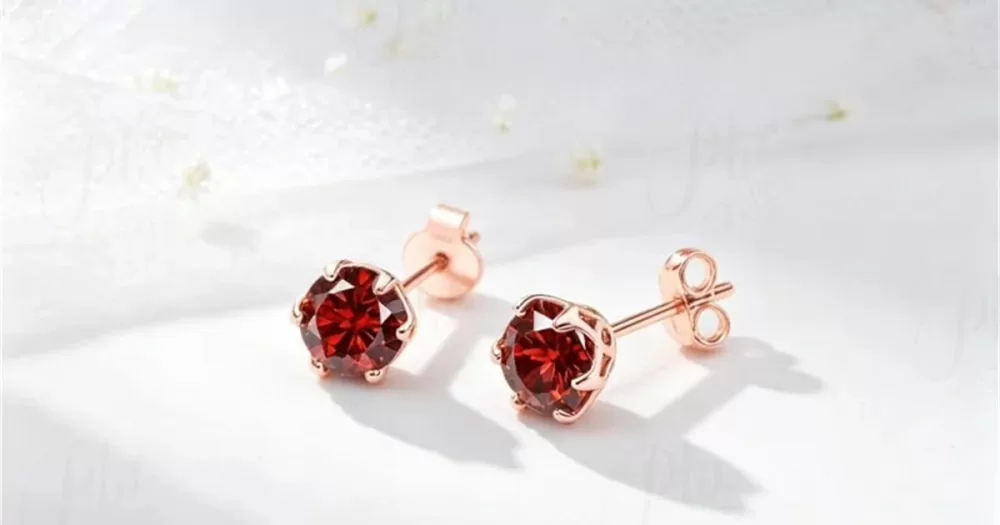
Coloured gemstones are priced by appearance rather than by a numeric grade, which makes sourcing them a different skill from sourcing diamonds or moissanite.
Why lab grown gemstones changed the category
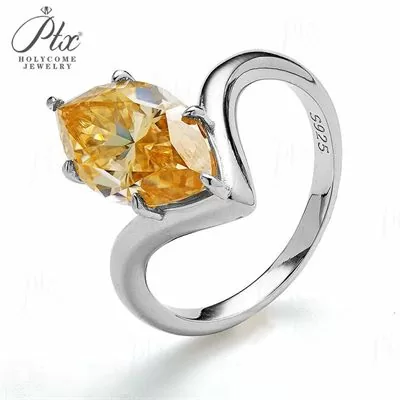
Mined coloured stones vary stone to stone, so matching a bracelet or a suite has always been difficult and expensive. Lab grown emerald, ruby, sapphire, paraiba and padparadscha are produced under controlled conditions, so colour can be held constant across a production run. For wholesalers this converts a matching problem into a planning problem — a substantial commercial advantage.
Specification checklist per stone type
| Stone | Hardness | Key specification | Care note |
|---|---|---|---|
| Emerald | 7.5–8 | Colour saturation, eye-clean clarity | Avoid ultrasonic cleaning |
| Ruby | 9 | Tone and saturation, absence of brown modifier | Robust for daily wear |
| Sapphire | 9 | Evenness of colour across a parcel | Excellent for daily wear |
| Paraiba tourmaline | 7–7.5 | Neon saturation, copper-bearing tone | Protect from knocks |
| Padparadscha sapphire | 9 | Pink-orange balance | Robust for daily wear |
Calibration is what makes sets possible
Calibrated sizes — for example 5×3 mm ovals — let you build matched suites, bracelets and halo designs without hand-sorting. Specify calibrated sizes with a stated tolerance in tenths of a millimetre, and require the parcel to be sorted by size band rather than supplied as a mixed lot.
Questions to ask about treatment
- Is the material as-grown, or has it been treated after growth?
- Is there any fracture filling, oiling or dyeing?
- Does the disclosure requirement in my market apply to this treatment?
- Will the same treatment status hold for a reorder in six months?
Consistency of disclosure matters more than the absence of treatment. Buyers can sell a disclosed treated stone; they cannot sell a surprise.
Building a coloured-stone programme
Start with one or two stone types rather than a broad palette. Establish a colour standard — a retained reference stone or a photographed master set — then require every production run to match that standard. Colour standards are the difference between a repeatable line and a one-off shipment.
Next step
If you want a factory quotation rather than a retail estimate, send us your stone list, target quantities and market. Our trade desk replies within 12 working hours with tiered pricing, lead times and shipping options, and you can browse the wholesale collection or OEM/ODM service in the meantime.
What to put in your purchase specification
Before you place a wholesale order, write the specification down and make the factory confirm it in writing. Every dispute we see between a buyer and a supplier traces back to a vague or missing specification sheet. The following items are the ones that actually cause problems when they are left open:
| Item | What to state |
|---|---|
| Stone grade | Colour and clarity range, plus the tolerance you will accept against the approved master sample (±1 grade is standard) |
| Metal and purity | Exact karat or silver fineness, alloy type, and whether white gold is nickel-free |
| Plating | Type (rhodium, 18K gold) and thickness in microns — a thin flash plating wears through in months |
| Dimensions | Band width, stone measurement, chain length, and the weight tolerance per piece |
| Setting method | Prong, bezel, channel or pavé — this single choice can double labour cost |
| Packing | Poly bag, box, pouch, tag, barcode label, and how many pieces per carton |
| Documents | Which certificates, and whether you need a material declaration or assay report |
MOQ, lead time and payment terms
Our standard terms across the catalogue are straightforward, and they are the same terms we quote in writing rather than adjusting per enquiry:
- MOQ — 10 pieces per design for stock specifications, 50 pieces for mixed-design lots. Custom development starts from 30 pieces per style in 925 silver and 10 pieces in gold.
- Tiered pricing — list price to 49 pieces, about 8% off from 50 pieces, about 14% off from 200 pieces, and negotiated pricing above 500 pieces with reserved production capacity.
- Lead time — 7–15 days for stock designs, 10–20 days for custom or certified production runs. Add 3–7 days for express transit to Europe and North America.
- Payment — 30% deposit with the balance before shipment, by T/T, PayPal, Western Union or Alibaba Trade Assurance.
- Samples — single samples ship at list price and the cost is credited against your first order above 200 pieces.
- Quality guarantee — 30-day return window on stock items, and a written remanufacture-or-credit commitment if a parcel falls outside the approved tolerances.
Quality control: what happens before your parcel leaves
Buyers who have been burned before usually want to know exactly what inspection was performed. This is our standard sequence on every wholesale order, whether it is 20 pieces or 2,000:
- Incoming stone grading. Every parcel is checked for colour, clarity and measurement against the order sheet before it enters the setting line. Rejected stones are pulled, not downgraded and used anyway.
- In-process inspection. Setters check prong security, stone alignment and surface finish at each station rather than at the end of the line.
- Final QC under 10× magnification. Polish, plating thickness, clasp and hinge function, and hallmark accuracy are verified piece by piece.
- Cleaning, photographing, packing. Pieces are cleaned, photographed against your PO number, and packed in individual poly bags inside export cartons.
- Document preparation. Commercial invoice, packing list, certificate copies and — where required — a material declaration stating that the stones are laboratory-grown.
You receive the photographs and the packing list before the parcel ships, so you can flag anything before it leaves rather than after it arrives.
Frequently asked questions
Can I mix metals and stone grades in one order?
Yes. You can combine 925 sterling silver, 10K, 14K and 18K gold in the same production run, and specify different colour and clarity grades per line. Every combination is confirmed on a single approval sheet before production starts, so there is no ambiguity about which line is which.
How consistent is grading across repeat orders?
Repeat orders are graded against the master sample kept on file under your account, which is why buyers who reorder regularly see far less variation than buyers who switch suppliers each season. Tolerances are written into the approval sheet, so a reorder cannot drift without your written agreement.
Do you provide photography for my online store?
Every catalogued design has front, three-quarter and macro imagery in sRGB at print resolution, named to match the SKU so the assets map straight into your product database. For orders above 200 pieces we photograph your private-label version at no additional cost.
What happens if the goods do not match the sample?
Send photographs and the SKU list within 14 days of delivery. If the deviation exceeds the tolerances on your approval sheet, we remake the affected pieces or issue a credit — this is covered by our written quality guarantee and applies to every order, not only the first one.
Related wholesale collections
- Loose Lab Grown Gemstones — 46 ready designs, MOQ from 10 pcs.
- Lab Grown Ruby Jewelry — 8 ready designs, MOQ from 10 pcs.
- Lab Grown Sapphire Jewelry — 9 ready designs, MOQ from 10 pcs.
Related Articles
- How to Buy Lab Grown Diamonds Wholesale: A 2025 Importer’s Guide
- Wedding Ring Wholesale Buying Guide for Retailers and Brands
Authoritative References
For buyers who need to verify the technical and regulatory basis of this guide, the following independent institutions publish authoritative reference data:
- GIA Gem Encyclopedia - independent grading and identification reference for natural and lab-grown gems.
- Wikipedia: Moissanite - peer-reviewed background on moissanite chemistry, optics and history.