Product News
Colored and Fancy-Shape Moissanite: 2027 Wholesale Trends
Colorless round moissanite built the category. Fancy-color and fancy-shape stones are where the next margin and differentiation are coming from.
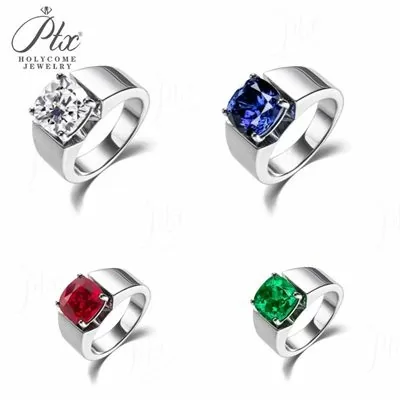
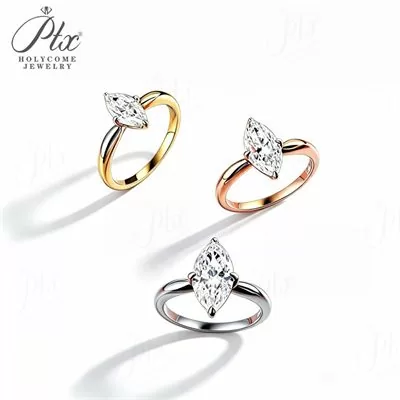
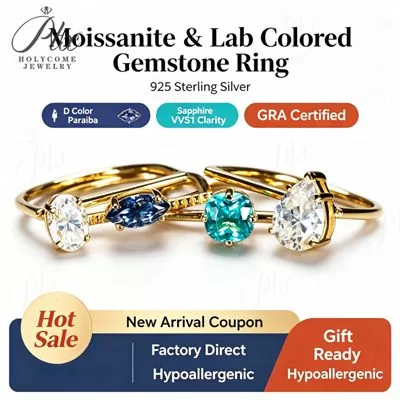
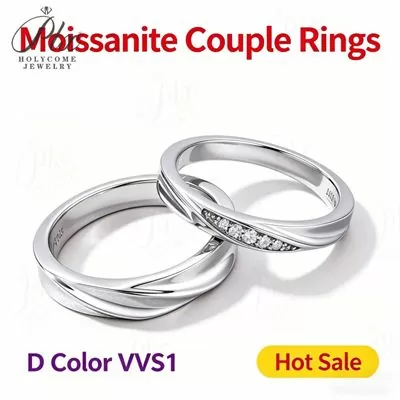
The moissanite wholesale story so far has been built on one shape and one color: the colorless round, sold as a diamond alternative. That anchor product still drives the bulk of the category, and it remains the right stock for most bridal cases. But the fastest-moving part of the moissanite market right now is everything that is not a colorless round—fancy shapes such as oval, pear, cushion and emerald cut, plus treated fancy colors including canary yellow, gray, moss green and champagne. For retailers planning 2027 buys, the differentiation and margin are increasingly in the non-round section of the catalog.
Why fancy shapes are gaining
Part of the shift is bridal taste. Engagement-ring buyers increasingly want a ring that does not look like everyone else's, and elongated shapes—oval, pear, emerald cut—visually elongate the finger and read larger than a round stone of the same millimeter. Because moissanite is manufactured to calibrated dimensions, these fancy shapes are produced consistently and priced predictably by length-by-width measurements, which makes them easier to stock than natural fancy-shape diamonds. The same mm logic explained in moissanite pricing structure applies: an 8x6 oval costs a defined step up from a 6.5 round, with no natural-stone gamble attached.
Fancy shapes also pair naturally with vintage, art-deco and east-west setting trends that colorless round solitaires cannot follow. A retailer carrying a few oval and pear options in simple settings immediately looks more current than a case of identical rounds.
The rise of fancy-color moissanite
Treated or grown fancy-color moissanite—soft yellows, charcoal grays, muted greens and champagnes—fills a niche that natural colored gemstones never served well at this price. A customer who wants a yellow engagement stone can buy a fancy yellow lab diamond for a premium, or a colored moissanite solitaire at a far friendlier price with the same durability and fire. Gray moissanite, in particular, has found a following among shoppers who want a modern, moody look without committing to a traditional white stone.
The retail framing matters: fancy-color moissanite should be marketed as a deliberate design choice, not as a cheap substitute. It sits next to colored gemstone fashion jewelry and colored bridal trends rather than competing head-to-head with colorless alternatives. This is the same positioning approach discussed in jewelry trend forecasting—color and shape variety is what protects a case from being price-compared on a single SKU.
What buyers should test for 2027
Aggressive over-ordering on new trends is the classic mistake. The smart move is a shallow, broad test: one or two of each fancy shape in a popular size, and a small run of one or two fancy colors, set in versatile solitaire or three-stone settings. Watch what moves in the case and online over one season, then deepen the winning SKUs at reorder. Because moissanite pricing is stable and production is fast, you can test more variety with less capital risk than with almost any other bridal material.
Pair these tests with the staff language that sells them: describe the shape's effect on the finger, the color's mood, and the durability the customer already trusts from colorless moissanite. Fancy shapes and colors are emotional purchases, not rational comparisons, and the sales conversation leans on style rather than carat debates.
Marketing the non-round case
Fancy shapes and colors sell on aspiration, not on comparison. Photograph the oval stone on a real hand in natural light, show the gray stone against a simple wedding band, and write the description around how it looks and feels rather than how it measures. Shoppers searching for engagement rings increasingly filter by shape and by a specific color mood, so make sure your online listings tag every shape and color explicitly. A customer searching for a pear moissanite or a gray moissanite who cannot find those words on your page will buy from whoever used them. The product half is easy; the labeling half is where most retailers leave the sale on the table.
The margin opportunity
Colorless round moissanite is increasingly well shopped, which compresses retail margin on the anchor SKU. Fancy shapes and colors are less directly comparable online, so retailers hold stronger pricing power and can attach a design premium. The supplier side is also building these lines out rapidly, meaning buyers who ask now get access to new cuts and colors before the mass-market catalogs saturate them. That early access window is where wholesale advantage usually lives.
Keep the anchor, expand the edges
None of this means abandoning the colorless round. It remains the entry point, the best-seller and the easiest reorder. The 2027 wholesale strategy is to hold that anchor steady and layer a thoughtful selection of fancy shapes and treated colors around it—enough to look current, enough to attract the style-driven buyer, but measured against actual sell-through rather than trend headlines. Done in small tests, the non-round moissanite case becomes the part of your inventory that competitors cannot easily undercut.
Authoritative References
For buyers who need to verify the technical and regulatory basis of this guide, the following independent institutions publish authoritative reference data:
- ISO 9001 Quality Management - the international standard for consistent production quality.
- Wikipedia: Jewellery - manufacturing processes, materials and global trade background.