Product News
Moissanite Tennis Necklace Wholesale Stocking Guide for Retailers
Moissanite tennis necklaces have become a standalone best seller. Here is how retailers should stock lengths, matches, finishes, and price tiers without overbuying.
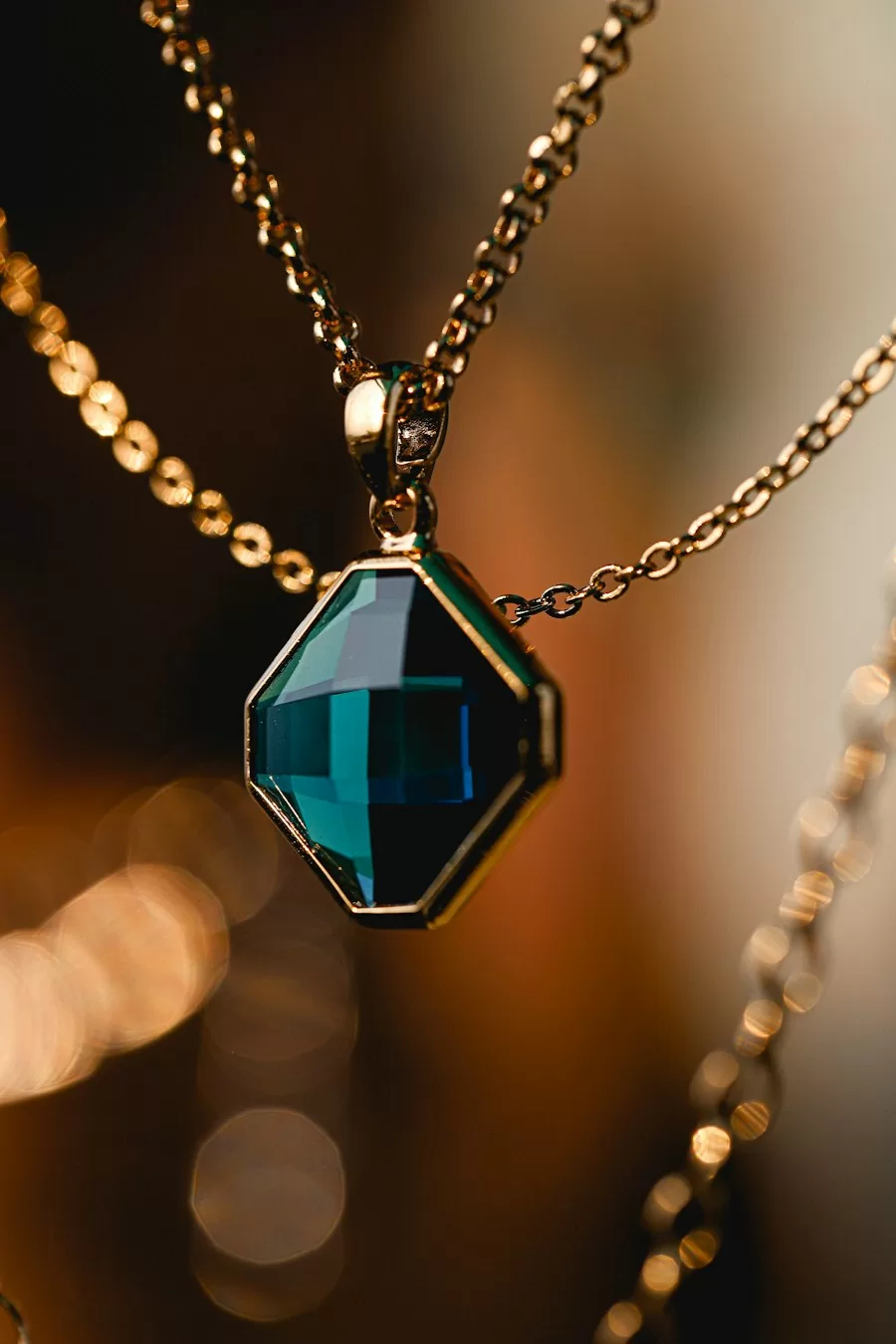
Moissanite tennis necklaces have quietly become one of the fastest-moving bridal-adjacent SKUs for wholesalers over the past two seasons. Where the moissanite tennis bracelet spent years as the hero piece, the matching necklace has moved from a secondary add-on to a standalone best seller, especially among younger couples buying entire sets for engagements, proposals, and wedding-day looks. For retailers, the category now deserves its own open-to-buy line rather than a handful of reactive reorders.
The appeal is straightforward. A tennis necklace reads as high jewelry because of its unbroken line of light, yet it costs a small fraction of a mined-diamond version. At retail, customers who balk at a four-figure diamond line necklace will happily consider a moissanite piece priced in the hundreds, and they can layer it with pendants or wear it alone for evening. That price elasticity is exactly what makes the category attractive for margins rather than foot traffic.
What to stock
Start with the classic 1.0 to 2.0 millimeter stone range in either graduated or uniform spacing. Uniform spacing dominates everyday wear, while graduated silhouettes (wider at the center, narrower toward the clasp) read as more formal and photograph better for bridal. Most Holycome buyers favor the uniform line in 925 sterling silver with rhodium plating as the entry price point, then step up to gold vermeil or solid 14K settings for the mid-tier customer who wants lasting finish rather than seasonal wear.
Length matters more than most new buyers assume. The 16-inch sits closest to the collarbone and skews formal; the 18-inch is the reliable everyday length; a 17-inch middle ground works for stores with limited sizing. Stocking only one length leaves a lot of sales on the table. A two-to-one split between 16 and 18 inches usually fits a boutique better than equal weighting, because the shorter length carries the bridal buyer while the longer one carries repeat everyday customers.
Stone quality and matching
A tennis necklace is the hardest piece to get right because every stone must match. A single visibly off-color or included stone breaks the whole line under light. When evaluating wholesale lots, ask the supplier for a matched parcel: same color grade, same cut, same clarity, and a documented total carat weight. For moissanite in this setting, favor near-colorless (DEF equivalent) rather than any obvious tint, because continuous light makes a yellow or gray cast far more visible than it ever appears in a solitaire.
Check the spacing in hand before bulk ordering. Gaps between prongs that catch skin, or stones set so close that they rub and chip, both surface as returns within the first month. Retailers who insist on a pre-production sample of the exact match string almost never field these complaints, and the sample cost pays for itself in reduced restocking.
Pricing and margin structure
Tennis necklaces carry healthy margins when bought at wholesale, but the price ladder should be deliberate. Price the sterling entry piece to clear at roughly two to three times cost, the vermeil mid-tier at a comparable multiple, and reserve solid-metal versions for customers willing to pay for durability. Because customers compare moissanite lines to mined diamond lines they cannot afford, anchor your signage and display around the price-per-look rather than the stone itself.
Benchmark your cost per carat against our guide on wholesale moissanite pricing, and compare category velocity against your moissanite stud stocking data to decide how deep an initial buy to commit.
Common stocking mistakes
The first mistake is over-indexing on ultra-thin chains. A 1.0mm line necklace looks delicate in photos but feels flimsy to customers who expect the word "tennis" to carry some weight. The second is under-specifying the clasp. Box clasps with side safety are non-negotiable; a lobster clasp on a continuous stone line is a return driver waiting to happen. The third mistake is ignoring the layered-styling trend, where thinner chains worn alongside the necklace itself have expanded the everyday audience well beyond the bridal floor.
For most boutiques, a modest initial order—two lengths, two finishes, a narrow range of carat weights—will reveal your customer mix within a season. From there, reorder the winners, retire the slow lengths, and treat the tennis necklace as a core franchise rather than a one-off test. Done right, it becomes the piece that brings customers back for the matching bracelet and earrings next time.
Merchandising the line
Display the necklace the way customers imagine wearing it. A flat bust or neck form styled with the line necklace alone, and a second form layered over a plain chain, shows two purchase reasons in one glance. Price the entry silver piece at a point that feels like an easy yes, and place the solid-finish version beside it so the upgrade is visible rather than hidden in a case. Because the category still reads as new to many shoppers, a small sign spelling out "moissanite, matched stones, rhodium finish" removes the uncertainty that stops browsers from becoming buyers. Keep a single swatch of the matching bracelet in the same case, and staff who naturally suggest the set will capture the higher ticket without discounting.
Authoritative References
For buyers who need to verify the technical and regulatory basis of this guide, the following independent institutions publish authoritative reference data:
- ISO 9001 Quality Management - the international standard for consistent production quality.
- Wikipedia: Jewellery - manufacturing processes, materials and global trade background.