Product News
Fancy-Color Moissanite: The Next Wholesale Push
Colorless stones still lead, but fancy-color moissanite is where the margin and differentiation are heading.
Colorless moissanite built the category, and it still pays the bills. But the fastest-moving conversations on retail floors and in DMs are now about color. Gray moissanite in particular has crossed from niche to mainstream, and buyers who wait to stock it will watch their competitors own the look first.
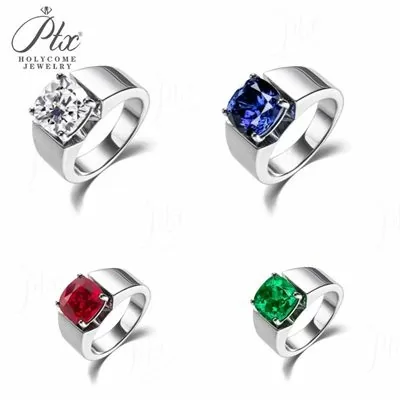
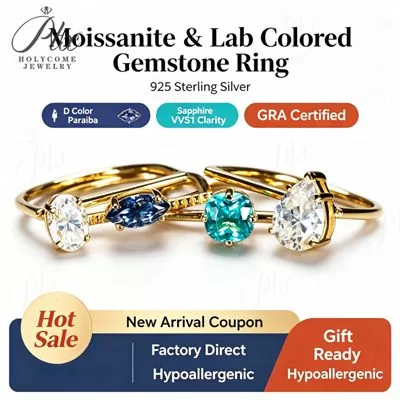
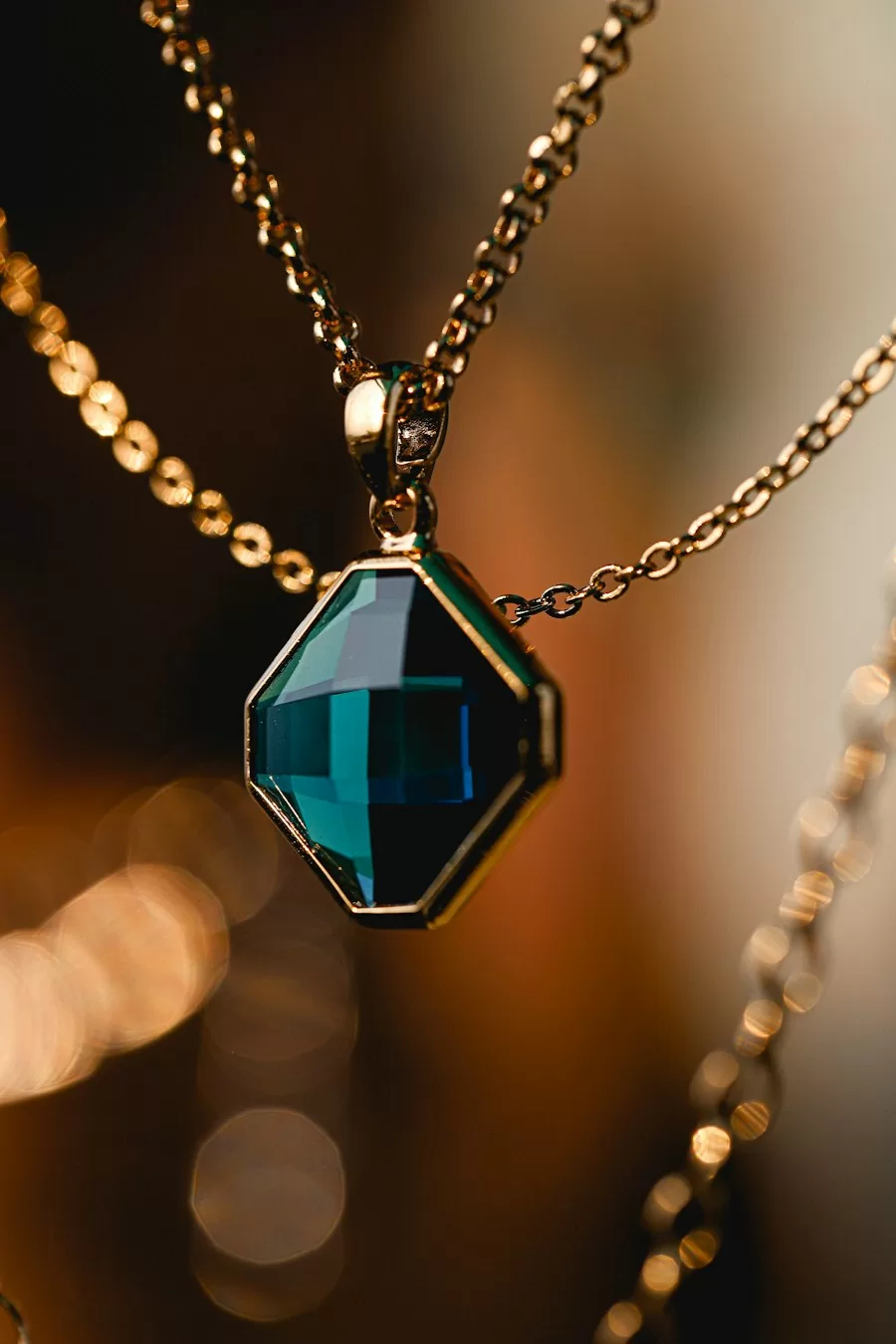
Fancy-color moissanite covers a deliberate range: near-colorless gray, deep teal and green, champagne, and treated black. Each behaves as its own product story, and each attracts a slightly different customer.
Gray: the quiet best seller
Gray moissanite is the entry point most buyers should test first. It reads as sophisticated and understated, pairs with both silver and gold, and appeals to customers who find a colorless stone too bright. It sits naturally in the bridal mix as a 'different but still elegant' option, and it does the same job for fashion rings.
Gray is also forgiving. Because the color is part of the stone rather than an obvious coating, grading conversations are simpler than they are for treated colors. When you review color grading, remember that a slight gray tone is a feature here, not a defect to negotiate down.
Green, teal, and champagne
Green and teal moissanite skew younger and more expressive. These stones photograph beautifully, which makes them strong sellers for customers who shop on social media and expect their ring to look as good on a feed as in person. Champagne sits closer to the warm, bridal-adjacent end — think a softer, warmer alternative to a colorless stone for someone who wants a hint of gold.
Treat these as fashion-forward rather than bridal-staple. Buy smaller quantities, turn them quickly, and let sell-through dictate reorders. A half-dozen well-chosen fancy-color pieces will test demand faster than a full case of them.
Black moissanite and the caution that comes with it
Black moissanite is popular in men's rings and gothic or minimalist women's styles, but buyers should ask how the black is achieved. Black coloration is typically produced through treatment rather than natural crystal color, and that treatment affects durability and disclosure. This is exactly the kind of detail covered in our notes on treatment disclosure, and the same honesty applies: disclose the treatment, price accordingly, and stock it with confidence rather than pretending it is an untinted stone.
Pricing and positioning by color
Gray moissanite usually sits close to colorless pricing, because demand is broad and comparison shopping is light. Green and champagne command a small premium, because they are genuinely different and the customer is choosing an emotional look rather than a substitute. Black moissanite, where it is treated, should be priced transparently and explained honestly rather than sold as a naturally dark stone.
Do not spread your first order evenly across every color. Lead with gray, add one green or teal SKU, and test champagne as a small second move. A buyer who over-commits to five colors at once watches four of them sit while the fifth sells out. The category is real, but it is still new enough that local taste will tell you more than a national trend report.
Who buys fancy color
The typical fancy-color customer is not a first-time diamond shopper. She already knows she wants something that looks different, and she is drawn to the stone by social media images where the color reads clearly. That means your photos should show the stone in natural daylight, not only under warm showcase bulbs, because the color shifts between lighting conditions and the customer will notice the moment she steps outside.
Men's rings are a quiet growth pocket for gray and black. The understated, darker stone reads as masculine without leaning into a costume look, and it pairs well with brushed steel and leather. Treat it as a small add-on to your men's band tray rather than a separate department.
Start your test order with a few gray stones and let customer questions tell you which color to add next. The stores that lead with one honest, well-photographed color build demand faster than those that try to show every shade at once.
How to slot it into your existing mix
You do not need a separate department. Add two or three gray stones to your existing moissanite case, one teal or champagne accent, and let the display do the work. The customers who want color will find it; the customers who want colorless will not be disturbed by it.
Margin on fancy color is often better than on colorless, because the comparison shopping is thinner. A customer comparing colorless moissanite to a mined diamond has done hours of research. A customer choosing between gray, champagne, and green is choosing emotion, and that is where pricing power lives. Start small, reorder what sells, and let the colored stones become the conversation that brings customers into the store in the first place.
Authoritative References
For buyers who need to verify the technical and regulatory basis of this guide, the following independent institutions publish authoritative reference data:
- ISO 9001 Quality Management - the international standard for consistent production quality.
- Wikipedia: Jewellery - manufacturing processes, materials and global trade background.