Wholesale Sourcing
Jewelry MOQ Negotiation: Minimum Order Leverage for Small Buyers
Factory MOQs cover tooling, plating setup and line changeover. Here are six levers, a realistic 2026 MOQ ladder, and the negotiation language that gets small buyers under 200 pieces per SKU.
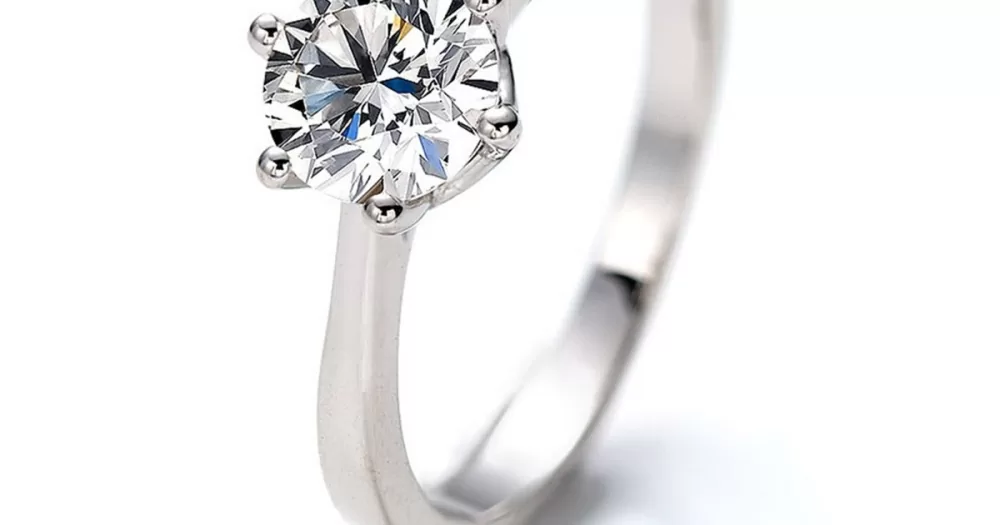
You want 120 pieces of a new ring design for a spring launch, and the supplier quotes a 1,000-piece MOQ with a 45-day lead time. Walk away at that number and you leave margin on the table; accept it and you tie USD 9,000 in cash to a style that may sell 40 units. MOQ is negotiable in jewelry more than in almost any other B2B category — if you know what the factory actually costs.
Why jewelry MOQs are really set
A factory's MOQ is not arbitrary. It covers five fixed-cost buckets: mould or rubber-vulcanise tooling for cast pieces (USD 80-300 per design), plating bath setup per alloy, stamp-die preparation, setup time on the polishing line, and QC paperwork. When you understand the bucket, you understand the lever. Tooling is yours to keep after payment, which means the second order on the same design has almost no setup cost — that is why reorder MOQs are typically 30-50% of first-order MOQs.
Six levers that move the number
- Combine SKUs into one production batch. A 200-piece MOQ across five designs of the same alloy and finish beats 200 pieces of one design on most lines. Ask: "can we run one alloy, one plating, across 5 SKUs?"
- Pay for tooling separately. If you own the mould, the per-SKU production MOQ drops sharply; many factories quote 50-100 units once tooling is prepaid.
- Use existing stock findings. For stones and findings, the GRA/IGI/GIA certificate discussion matters less than availability: choosing in-stock moissanite rounds or cz sizes cuts the MOQ on your custom setting.
- Accept a slightly wider size or colour tolerance on the first run, with a reorder locked to the tight spec.
- Offer faster terms. 50% TT deposit up front (see TT vs escrow vs LC terms) moves MOQs more than volume promises do.
- Stage the order. 100 pieces now, 200 pieces on a dated call-off within 90 days, written into the PO.
What a fair MOQ ladder looks like
For sterling 925 fashion jewelry, realistic numbers in 2026: 50-100 pieces per SKU for private label with tooling paid; 200-300 pieces per SKU without tooling; 500+ only for stocked catalogue items you can re-sell unchanged. If a supplier quotes 1,000 pieces for a non-tooled catalogue design, you are talking to a trader repackaging another factory's stock — see real-factory vs trader signals. And whatever the MOQ, price the landed cost before you commit: use the wholesale-to-retail margin formula to confirm a 100-piece run still clears your target markup.
Negotiation script that works
Instead of "can you lower the MOQ," ask: "what is your setup cost per SKU, and if I pay tooling separately and take delivery in two call-offs, what does the per-unit price become at 80 pieces?" Factories respond to math, not pressure. Record the agreed ladder in the PO: first-run MOQ, reorder MOQ, price break at 300 and 1,000 pieces. That ladder becomes your budgeting tool for the next four seasons.
One lever no small buyer should skip: compliance in the PO
A lower MOQ means smaller production batches, and smaller batches make stamp-die and plating-bath accuracy easier to verify — use that. Write into the PO that every piece must match FTC 16 CFR Part 23 staining rules for the US market (karat fineness, trademark) and that EU-bound lines carry the nickel-release test. Suppliers who agree to this in writing are the ones whose 50-piece runs you can actually reorder; suppliers who resist usually do so because their stamp dies float between jobs. Treat PO compliance language as a MOQ lever: it costs the factory nothing and protects you from a batch-level defect that would otherwise wipe out the savings from a small run.
FAQ
Is 50 pieces per SKU a realistic first MOQ in 2026?
Yes for sterling fashion and plated brass when tooling is prepaid and you batch SKUs by alloy and finish. 30-piece runs exist but usually carry a 15-25% setup surcharge; compare that against holding 200 unsold units before agreeing.
Who owns the mould after we pay for tooling?
Negotiate it explicitly in writing. Standard practice in Dongguan is that the buyer owns the rubber mould after tooling is paid; keep the signed tooling receipt so you can move the design to another factory if needed.
Should we accept price breaks that require 1,000 pieces on an unproven design?
No. The break is worth roughly 8-12% per unit, while the cost of unsold inventory at retail is 100% of its landed price. Test at 100-200 pieces, then take the volume break on the reorder.
Do custom tags and packaging affect the MOQ?
Usually by 10-20 pieces. Private hang tags have their own print run; fold that into the SKU MOQ when you design your packaging and tag system. Ask the supplier whether tag printing is consolidated across your whole order.
HOLYCOME quotes from 50 pieces per SKU on private-label sterling and brass lines, with transparent tooling fees and a written reorder ladder. Send us your design list — we return a per-SKU MOQ, tooling cost and landed sample price within 48 hours.