Supplier Vetting
Jewelry Quality Control: The Visual Inspection Points That Catch Field Failures
14 loose stones out of 300 on arrival. This QC checklist lists the 8 defect points, the 30-second piece check, and the AQL sample size that work.
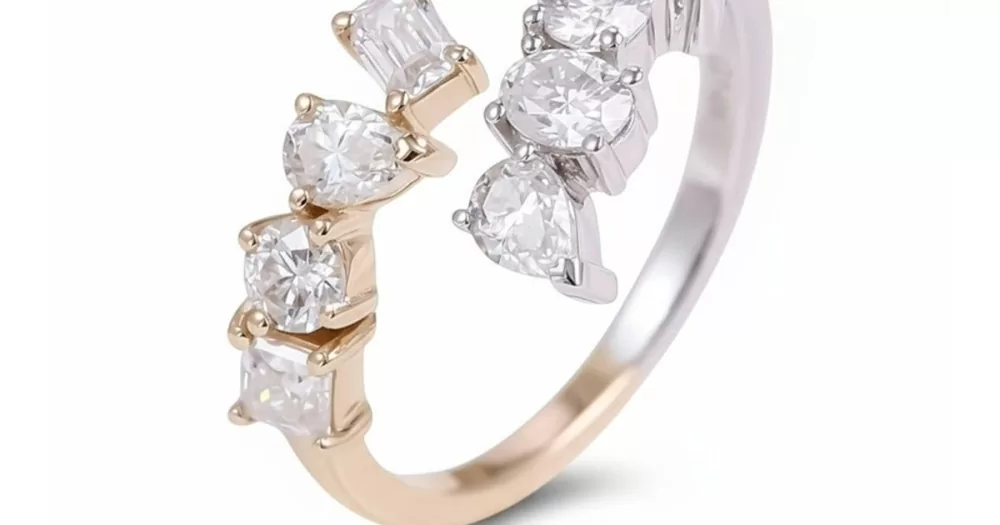
A buyer in Oslo inspected a 300-piece silver ring shipment on arrival. She found 14 pieces with loose stones, 9 with visible scratches on the shank, and 6 where the plating was already patchy near the clasp. The supplier had marked QC passed. Visual inspection is not optional — it is the last checkpoint between factory and customer, and the points below are the ones that catch 90% of field failures.
Incoming inspection: the 30-second piece check
For each piece: (1) hold it under a 6,000K daylight lamp at 30 cm. (2) Rotate 360 degrees and look for pits, scratches, fire-scale or plating orange-peel. (3) Tap each stone with a wooden stick — a loose stone rings dull; a well-set stone rings clear. (4) Pull gently on the clasp and the earring post. (5) Read the inside stamp: 925 or 14K, maker's mark, country. The karat marking reference and ISO 9202 fineness standard are the reference points.
The top 8 defect points that fail in the field
- Loose stones — catches on fabric, then lost. Catch with the tap test.
- Sharp prongs — snag hair and stockings. Run a cotton ball across the setting; it should not catch.
- Plating patchiness near solder joints — usually a degreasing step skipped. Look under 10x loupe.
- Bent earring posts — from rough packing. Bend back with pliers only if sterling; do not bend 14K.
- Clasp weakness — lobster claws should click shut audibly; spring rings should not open with light pressure.
- Inside stamp missing or shallow — legal exposure under FTC 16 CFR Part 23 (reference).
- Tarnish spots on arrival — means the piece was not anti-tarnish wrapped. Send back.
- Mismatched pairs in earring sets — weigh both earrings; a 0.2g difference is a red flag.
Sample size: how many pieces to check
Use an AQL 2.5 single-sample plan: on a 200-piece lot, inspect 13; on a 500-piece lot, inspect 50. If you find more than 2 critical defects (loose stones, missing stamp, sharp prongs) or more than 7 minor defects, reject the lot. This is the same plan we reference in auditing a Chinese factory on first order. For stone parcels, see loose stone parcel grading on approval.
Document the inspection for the supplier
Photo every defect with a ruler and a color card. Write a short defect report (piece SKU, defect type, photo, qty). Send it within 48 hours of receipt — suppliers are far more cooperative while the batch is still fresh in their QC room. Most credible suppliers will offer remake or credit on a documented report. See what a first PO should contain — the remake clause should be there.
On-going: track defect rate by supplier
Keep a simple spreadsheet: supplier, lot size, defect count, defect type. After 5–10 lots you will see which supplier consistently ships loose stones and which consistently ships clean. Reorder from the clean one; renegotiate with the others. The returns reduction through sizing and QC article covers the downstream effect.
Test on wear, not just on arrival
Visual inspection catches what is wrong on day one. The defects that show up on day 30 need a wear test: pick 5 pieces from the lot, wear them for two weeks (or hand them to staff), and watch for prongs loosening, plating wearing through on the inside of the band, and clasps springing open. A piece that passes the 30-second check can still fail the 14-day wear test — and that failure is the one that generates returns and bad reviews.
What to do with a rejected lot
Three options: (1) supplier remakes and reships (best, if the defect rate is under 5%), (2) supplier credit on the next PO (acceptable if you plan to reorder), (3) return at supplier cost (last resort, usually only when the defect rate is over 10% or the stamp is missing). Document every step in writing — chat logs, photos, emails — so the dispute file is complete if the supplier disputes later.
FAQ
Do I need a loupe?
Yes. A 10x achromatic loupe costs USD 25–40 and catches scratches, solder blobs and prong shape that the eye misses.
What defect rate is acceptable on a reorder?
Under 2%. Above 3%, reject or renegotiate price. Above 5%, switch supplier.
Who pays for return freight on a defective lot?
The supplier, if the PO states the QC clause. Without a clause, you split. This is why the remake language matters on the first order.
Should I inspect every piece or sample?
Sample per AQL for routine reorders; 100% inspect the first order from any new supplier. After 5 clean lots, you can relax.
HOLYCOME runs outgoing AQL 2.5 inspection on every lot, with a defect report photo file attached to the shipping notice. Ask for the current QC sample pack and the inspection checklist sheet so your incoming check matches ours.