Product News
Moissanite Tennis Chains: The Next Wholesale Category to Stock
The tennis chain is crossing over. Here is how retailers should plan a moissanite tennis chain assortment for 2026.
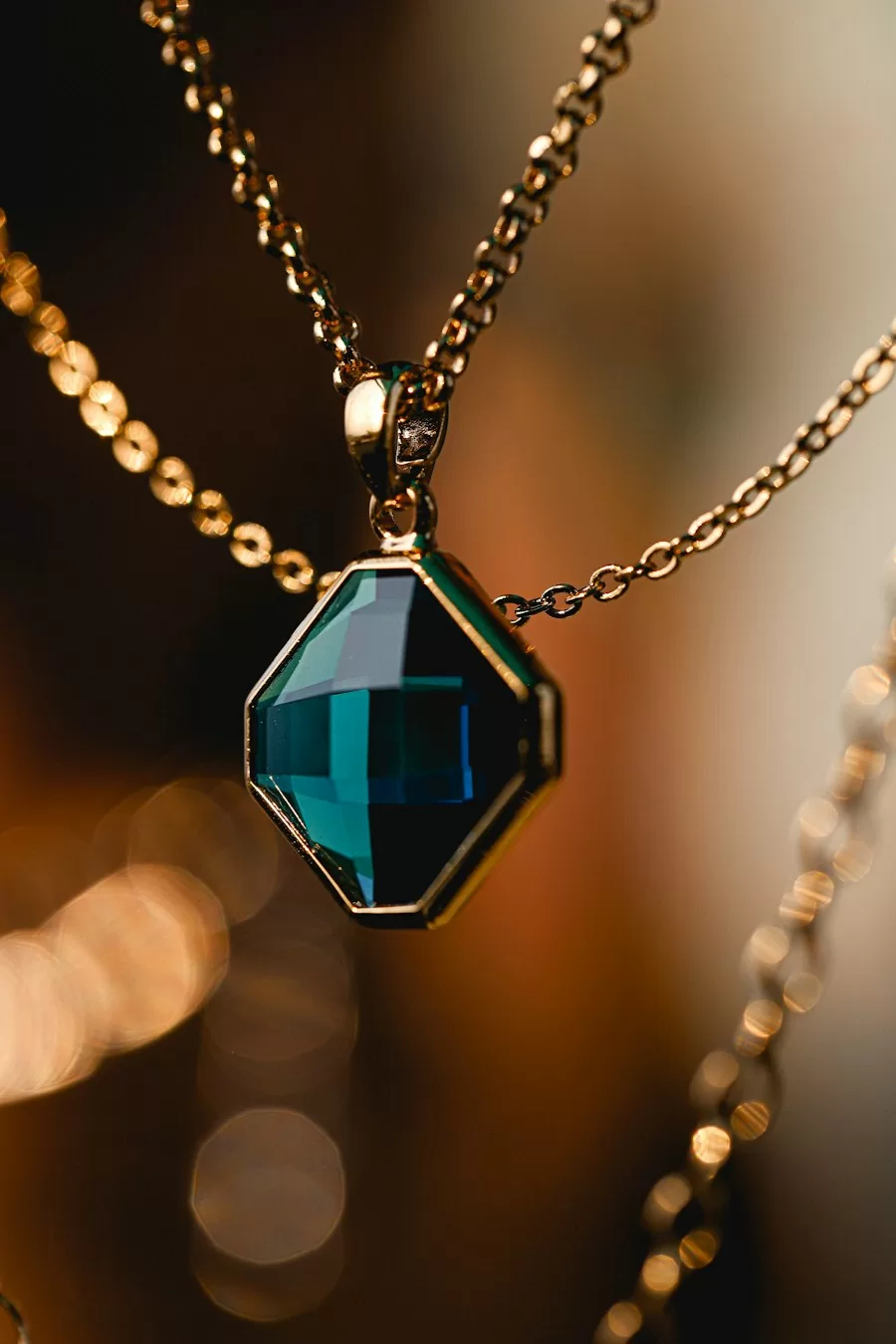
The tennis bracelet has been a reliable retail category for two decades. The tennis chain, its longer, neck-worn cousin, is now following the same path: starting in one culture, broadening into celebrity style, and landing on the mainstream jewelry counter. For retailers watching their assortment, this is the moment to add a small moissanite tennis chain line before the category is crowded. Here is what the product actually is, what to look for when buying wholesale, and how to position it in a boutique that has never stocked one before.
What a tennis chain actually is
A tennis chain is a necklace made of a continuous row of small, identically sized stones set in linked segments. It lies flat against the collarbone and reads as one unbroken line of sparkle. The format originated with diamonds, moved through hip-hop and celebrity culture in heavier widths, and is now arriving in lighter, more wearable versions for everyday retail.
Moissanite is a natural fit for the format. The chain is built from dozens of small stones, which means the per-stone cost matters enormously. Moissanite's cost-per-carat advantage becomes a price-per-chain advantage, allowing a retail piece that looks like a high-end diamond line to land at a price most customers can actually buy. We cover the underlying math in moissanite wholesale price per carat.
Width and carat total drive the price tier
Tennis chains are sold by width, measured in millimeters across the row of stones. A 2 to 3 millimeter chain is a delicate everyday piece, suitable for layering or for a customer who has never worn a statement necklace. A 4 millimeter chain is the sweet spot, readable at a glance but still light enough for daily wear. A 5 to 6 millimeter chain is the bold tier, closer to the original hip-hop look, and sells to a narrower customer.
For a first buy, start in the 3 to 4 millimeter range. It covers the widest audience: women looking for an elevated everyday necklace, men who want a thin line of sparkle, and gift buyers shopping for an anniversary or push present. Skip the bold tier until you know whether your customer base wants it.
Stone matching is the quality check
On a tennis chain, every stone is visible next to its neighbor. If one stone is off-color or has a different cut, the eye catches it immediately. That is why the quality of the parcel matters more than on a solitaire. Ask your supplier how the stones are graded before setting, and whether they are drawn from a matched parcel rather than assorted loose stock.
The setting itself matters as much as the stone. A good tennis chain uses secure prongs or a channel that holds each stone without covering its face. Flimsy prongs lose stones in months, and a lost stone on a necklace is a warranty event that erodes the margin the chain earned. Compare the setting discipline to what we describe in the tennis bracelet wholesale guide; the failure modes are identical, because both products are long rows of small stones under daily movement.
Length and clasp choices
Standard women's lengths are 16, 18, and 20 inches. The 18 inch length is the everyday default and should be your core stock. The 16 inch sells for customers who want a choker-style look, and the 20 inch for layering or for customers who prefer a longer drape. For a first buy, go deep on 18 inches and keep one or two in each of the other lengths.
The clasp is a detail that customers notice once it fails. A lobster claw is the reliable default. A box clasp with a side safety is more elegant but is the first mechanical point to break on a worn chain. Buy from suppliers who can tell you what clasp is on the chain and who offer repair or replacement.
How to position the retail price
A moissanite tennis chain in the 3 to 4 millimeter range should price at roughly two to two and a half times wholesale, consistent with how you price moissanite against diamond and CZ alternatives. The customer is not comparing certificates here; she is comparing how the chain looks on her neck and how it feels relative to a diamond piece she cannot afford. That comparison favors you when the stones are well-matched and the chain lays flat.
Position it as an everyday luxury, not as an investment piece. Customers who buy a tennis chain expect to wear it daily, to travel in it, and to layer it with other necklaces. That expectation is good for you, because a customer who wears a piece daily sees it, remembers it, and comes back for the next one.
Who is the customer
The first wave of buyers for a moissanite tennis chain is not the engagement customer. It is the customer who already owns studs, who has a simple wedding band, and who is ready for one piece that feels slightly elevated. It is also a strong gift purchase, because the chain is visually generous in a box and feels like a treat.
Do not overlook the male customer. Thin moissanite tennis chains in 2 to 3 millimeter widths are moving in male jewelry at prices that a diamond chain cannot touch. If your store has not carried men's jewelry before, a single thin chain on a display bust is the lowest-risk way to test that audience.
Bottom line
Tennis chains in moissanite are a low-risk, high-visual-impact addition to a 925 silver or gold vermeil counter. Start in the 3 to 4 millimeter range, buy matched parcels, verify the prongs and clasp, and price it as an everyday luxury. The category is still early enough that a retailer who introduces it now gets to define the look for her own customers before the rest of the market catches up.
Authoritative References
For buyers who need to verify the technical and regulatory basis of this guide, the following independent institutions publish authoritative reference data:
- ISO 9001 Quality Management - the international standard for consistent production quality.
- Wikipedia: Jewellery - manufacturing processes, materials and global trade background.