
925 Silver
Cast vs. Stamped Sterling Silver: What Buyers Should Know
'Sterling silver' tells you the alloy, not how the piece was made. Cast and stamped construction lead to very different products at the wholesale tier.
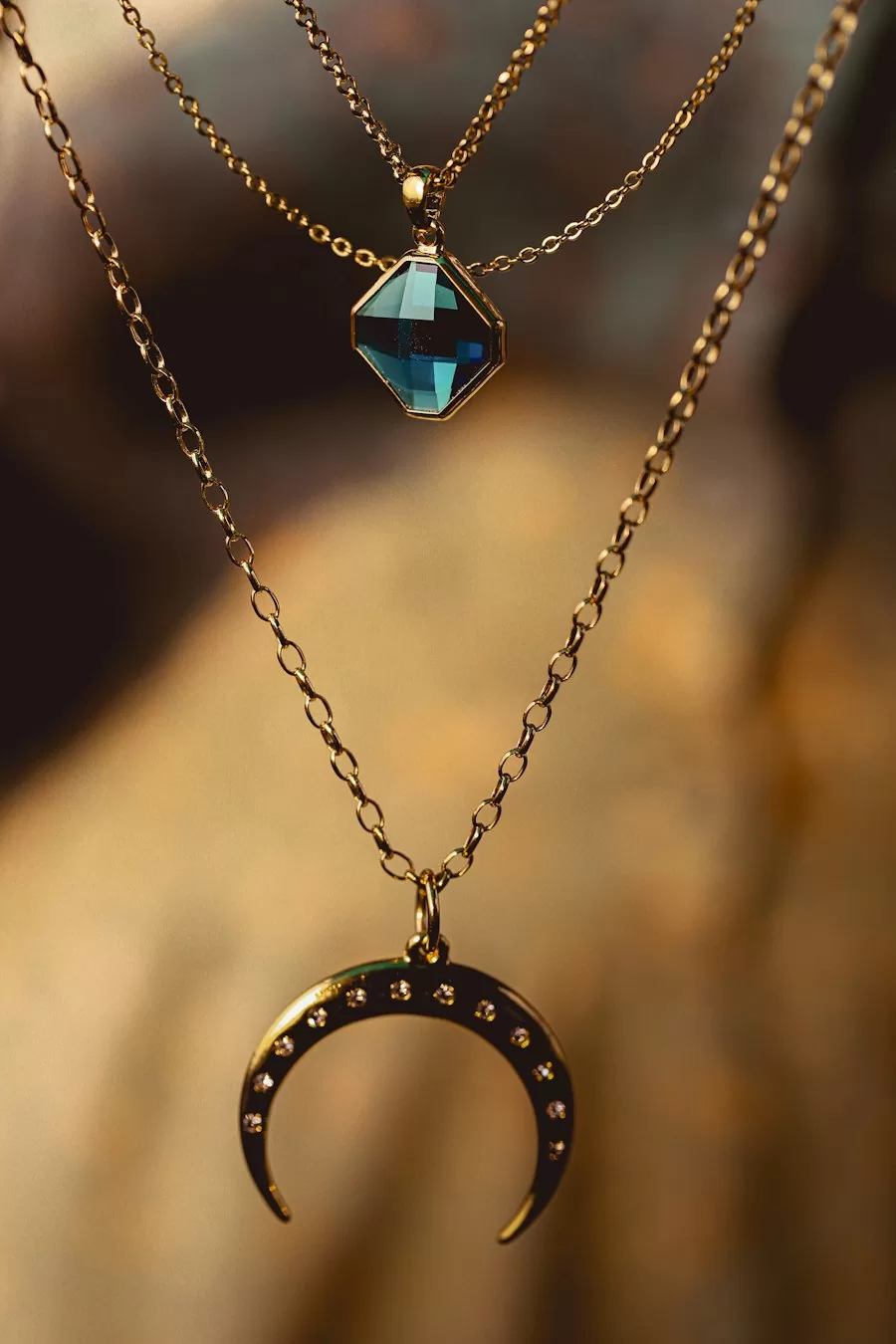
"Solid 925 sterling silver" tells you what the piece is made of. It does not tell you how it was made. Two silver rings with the same weight, the same plating, and the same stone can be built in fundamentally different ways—lost-wax cast or stamped from sheet—and the construction method changes how the piece feels, how much it costs, and how it ages over years of customer wear.
Cast construction
Most sterling silver jewelry is cast. A wax model is made, often from a CAD design, invested in plaster, burned out, and replaced with molten silver. Once solid, the piece is cleaned, polished, and set. Casting allows almost any geometry: intricate filigree, three-dimensional charms, hollow forms, and detailed signet faces are all practical because of casting.
Cast pieces carry a few consistent traits. They hold fine detail sharply. They tend to be heavier than stamped equivalents because metal is added to support internal structure. They are also easier to repair: a broken cast ring can often be welded and refinished without losing its shape. The downside is that casting has more process steps, which raises unit cost at small MOQs.
Stamped construction
Stamping uses dies to cut and form flat silver sheet or wire. Simple bands, thin hoop earrings, bangle cuffs, and flat pendants are often stamped or die-formed rather than cast. Stamping is fast, repeatable, and uses less material per piece because the sheet stays thin.
Stamped pieces are lighter, flatter, and usually cheaper than cast equivalents. They also have limits. Intricate geometry is hard to stamp; thin sheets dent more easily; and a stamped bangle that cracks is almost impossible to repair cleanly. Stamped construction works best for simple, high-volume shapes where lightness and low cost are the goal.
How to tell them apart at receiving
You do not need to open the piece. Hold it up and look. Cast pieces usually have a slightly rougher inner surface where the sprue was removed and cleaned; stamped pieces have a clean, sheared edge. Weighing helps too: a stamped bangle of a given width will feel noticeably lighter than a cast one. For critical orders, ask the supplier which method was used; reputable manufacturers will tell you directly.
When to choose each
Choose cast construction when detail matters—signet rings, filigree settings, charms, engagement rings, and any piece with sculpted form. The extra cost is visible to the customer and justifies a higher retail price. Choose stamped construction when simplicity and weight matter—plain band stacks, thin hoops, basic bangles, and high-volume everyday earrings. Stamped pieces also ship cheaper because they weigh less.
How construction affects price negotiation
Many buyers compare two silver rings by weight and grade, but they should compare by construction too. A cast piece at 3 grams may be better value than a stamped piece at the same weight, because the cast process holds detail that stamped cannot. Conversely, a stamped piece at 3 grams may be thicker and more dent-resistant than a thin cast piece. Ask the supplier for the method in writing when you build a 925 silver wholesale program, and price accordingly.
Repair and warranty implications
Cast pieces repair cleanly. Stamped pieces often cannot. If your store offers in-house repair, stocking more cast pieces reduces the rate of pieces that must be returned to the manufacturer. If your store does not repair on-site, this matters less, but it still affects the customer-facing warranty you can offer.
Don't confuse with hollow
Note that neither cast nor stamped is the same as "hollow." Hollow construction uses thin shells soldered together to create the look of a heavier piece at lower weight. Hollow pieces can be cast or stamped; they are lighter and dent more easily than solid equivalents. Ask specifically whether a piece is solid or hollow when you order bands and bangles.
MOQ implications
Casting requires a wax or mold, which means higher setup cost and usually a higher MOQ. Stamping also requires dies, but once the die exists, unit cost drops quickly and reorders are cheap. If you are testing a new design for the first time, casting is easier at small quantities; if you have confirmed a winner, stamped production will often lower the unit price at volume. Ask your supplier which method they recommend for the MOQ you actually want.
Construction method is not a detail most customers ask about, but it is a detail that determines whether your silver program feels premium or disposable. Knowing the difference lets you buy the right piece for the right price—and avoid the trap of paying cast prices for stamped goods. When comparing quotes, ask the supplier to label each SKU as cast, stamped, or hollow on the packing list. A supplier who labels honestly is a supplier you can build a long program with; one who treats construction as a detail you should not ask about usually hides cost-cutting somewhere else.
Authoritative References
For buyers who need to verify the technical and regulatory basis of this guide, the following independent institutions publish authoritative reference data:
- Wikipedia: Sterling Silver - the 92.5% silver alloy standard and hallmarking conventions.
- ISO 9001 Quality Management - the international standard for consistent production quality.




