
925 Silver
Sterling Silver Chain Gauge and Thickness: A Wholesale Buying Guide
Gauge is the hidden spec that separates a silver chain that lasts from one that kinks, stretches, or breaks in weeks.
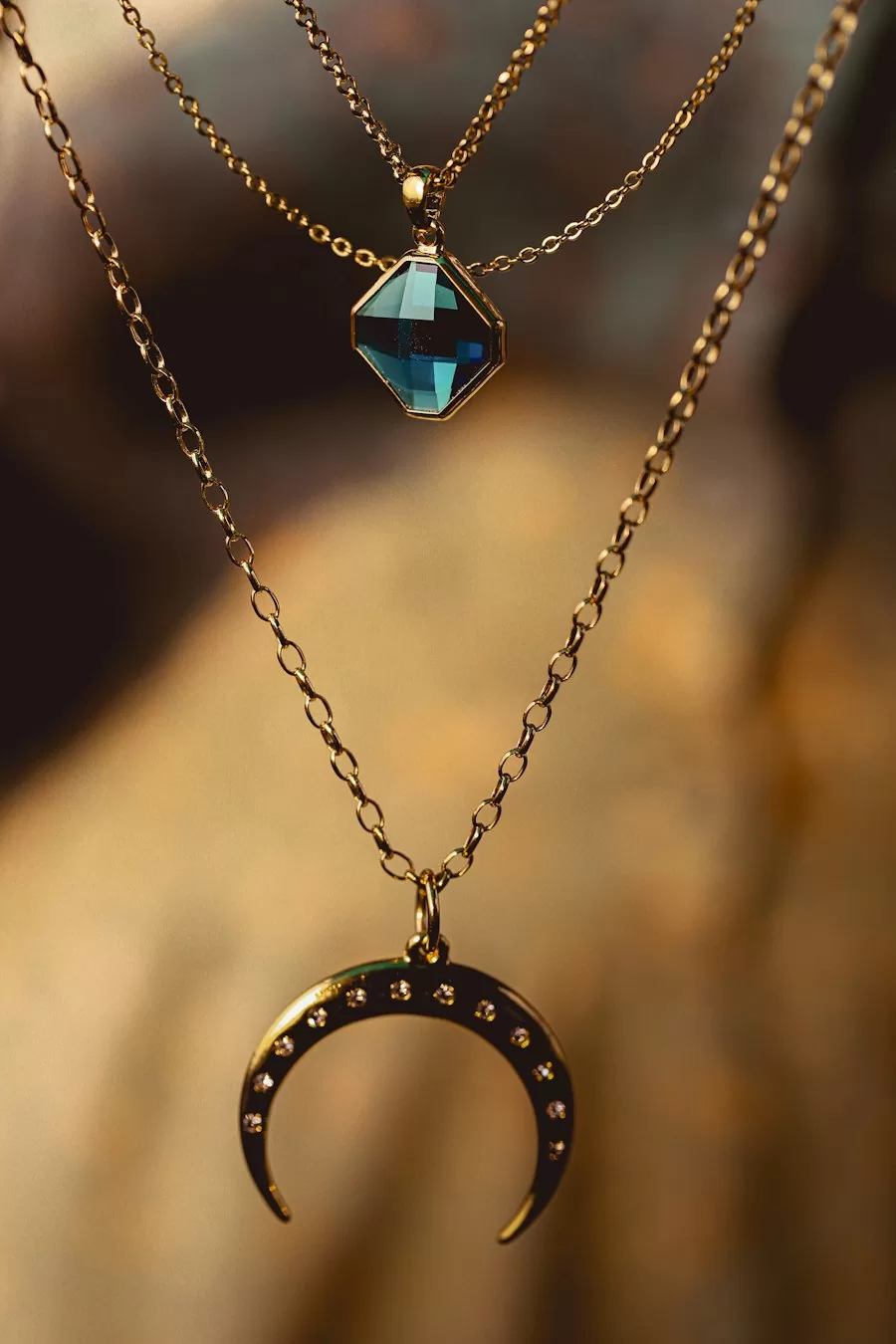
Two sterling silver chains can look identical on a webpage and feel completely different in the hand. One drapes with a satisfying weight and survives a season of daily wear; the other kinks, stretches, and snaps at the clasp within a month. The difference almost always comes down to gauge, a spec that product photos and even many product pages omit. For wholesale buyers, understanding gauge is the fastest way to stop buying returns before they happen.
What gauge actually means
Chain gauge refers to the thickness of the wire from which each link is made. Thicker wire means a heavier, stronger chain. The confusing part is that "thickness" is also described by the overall width of the chain itself measured in millimeters. A 2mm box chain sounds like a spec, but two different 2mm chains can use wire that differs by a third in thickness. The overall width tells you how wide it looks; the wire gauge tells you how long it lasts.
Hollow vs solid changes everything
This is the single biggest quality lever. A solid chain is made from round wire of consistent thickness. A hollow chain has links that are tubular and thin-walled, stamped to look wide while using very little silver. Hollow chains feel light, dent when pressed with a fingernail, and are difficult to repair once crushed. They cost less and sell on price, but they generate returns.
For a boutique that wants repeat customers, lean solid. For a fast-fashion or gifting line where price is the main lever, hollow can work, but be clear on the tag that it is a fashion-weight piece. Hidden quality gaps become bad reviews.
Typical gauges by chain type
Different weaves demand different minimum thicknesses. As a rough buying reference:
- Cable chains: the everyday workhorse. Look for wire thick enough that links do not pull open; under a certain gauge, a pendant's weight will elongate them.
- Rope chains: built from many thin wires twisted together. Even a thin-looking rope can feel robust, but cheaper versions fray. Bend a sample gently; it should spring back without a kink.
- Box and snake chains: these are the most gauge-sensitive. Thin box chains snap open at the corners; thin snake chains kink permanently. Buy these heavier than you think you need.
- Figaro and curb chains: read well on thicker wire; the open links show dents if the gauge is too light.
Weight as a shortcut
If a supplier will not state gauge, ask for the chain weight in grams per inch or per unit length. Weight is the practical proxy for thickness. Two 18-inch cable chains, one weighing 1.8 grams and another 3.2 grams, are not the same product even at the same visual width. Build a small reference sheet of weights for the chains you stock; when a new quote comes in unusually light, you have an immediate red flag.
Match the chain to the pendant and the customer
A heavy statement pendant needs a chain that can support it. A dainty 1mm chain paired with a 10g pendant is a break waiting to happen. Stock a small range of gauges and cross-sell appropriately: tell the customer which chain suits which pendant. This reduces breakage returns and builds trust.
Clasps and findings matter as much as the chain
A heavy-gauge chain with a flimsy spring ring is still a weak chain. The clasp is the part that fails most often, and it is the easiest place a supplier cuts cost. Ask what clasp type is fitted: lobster clasps outlast spring rings, and a thicker clasp on a heavy chain signals quality. Also check whether the extender and tag are the same gauge as the rest of the piece. A cheap tag on a solid chain is the kind of detail a careful customer notices the moment she picks it up.
Build a small reference set
Order one sample of each gauge you plan to carry and label them by weight and millimeter width. When a customer compares two chains side by side, you can feel the difference instantly, and you can explain it in plain language: "This one is solid, this one is fashion-weight, here is what each costs." That confidence sells more chains than any catalog photo. It also lets you show a customer why a $40 chain and a $70 chain that look alike are not the same product.
For everyday necklaces aimed at repeat wear, the modest step up to a heavier gauge is one of the highest-value upgrades a retailer can make. When you source from a 925 sterling silver supplier, ask specifically for solid-weight chains and request gram weights on the spec sheet. Pair the chains with pendant assortments matched to the right gauge, and the quality story writes itself.
Authoritative References
For buyers who need to verify the technical and regulatory basis of this guide, the following independent institutions publish authoritative reference data:
- Wikipedia: Sterling Silver - the 92.5% silver alloy standard and hallmarking conventions.
- ISO 9001 Quality Management - the international standard for consistent production quality.




