
925 Silver
Oxidized and Antiqued Sterling Silver: Wholesale Finishes That Sell
Oxidized sterling silver adds depth at a low cost premium, but it wears differently than bright polish. Here is what retailers should know before reordering.
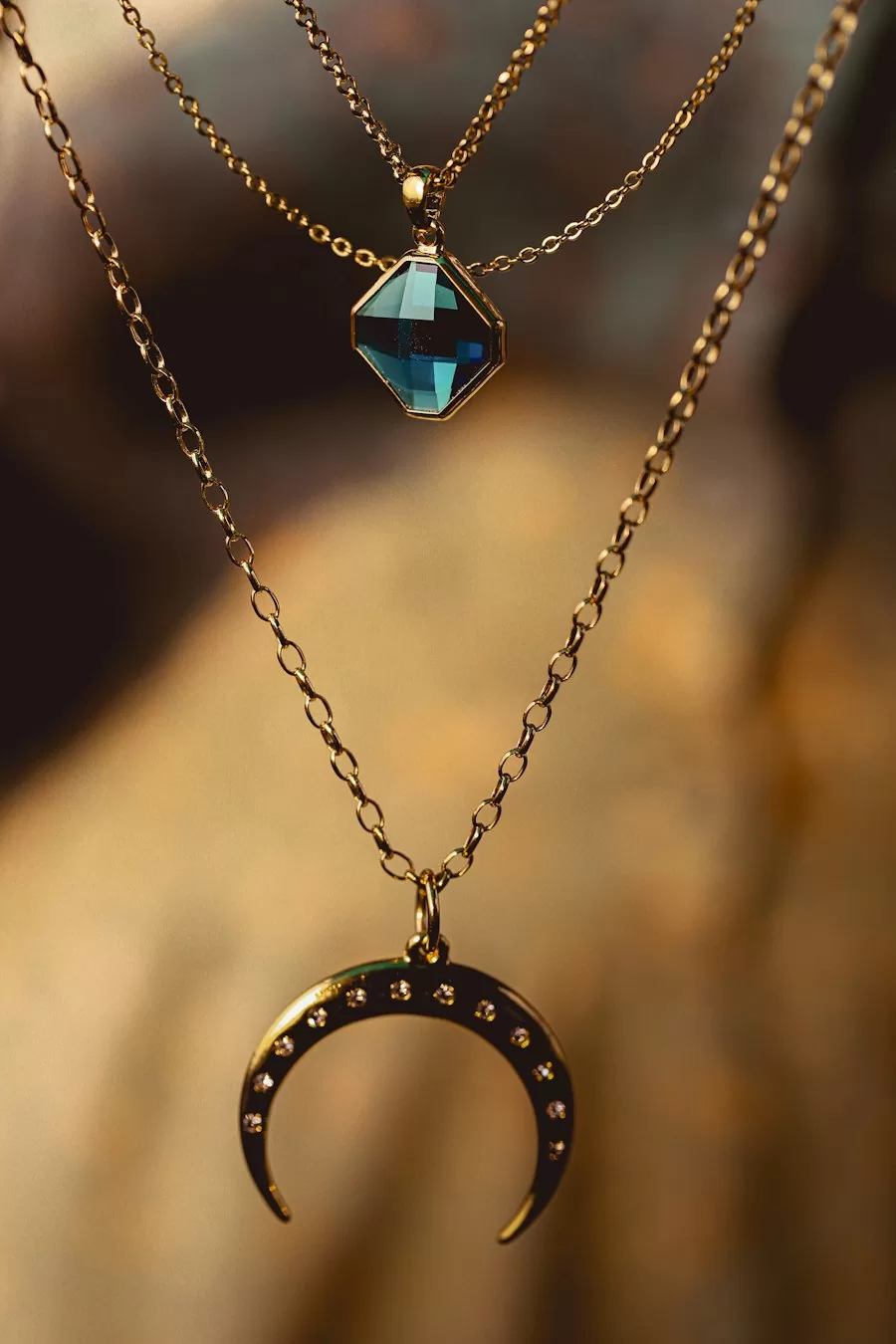
Walk into any boutique that skews artisan, gothic, or bohemian and you will see it: sterling silver with dark, recessed shadows that make the details pop. That finish is oxidation, sometimes called antiquing or blackening, and it is one of the highest-visual-impact upgrades a retailer can apply to a silver SKU without changing the underlying metal cost. Yet it is also one of the most mis-specified finishes, and returns from oxidized pieces look different from returns on bright-polish pieces. Here is what a wholesale buyer actually needs to know.
How the finish is applied
True silver oxidation is a chemical treatment, not a paint. The piece is exposed to a sulfur-based compound that darkens the surface of the sterling. The artisan then polishes the raised surfaces back to bright silver, leaving the dark color in the recesses, engraving, and texture. The result is a piece that looks older, deeper, and more dimensional than a fully bright-polished version of the same design.
Some factories take a shortcut and apply a thin black lacquer or paint over the entire piece. That version looks right on day one, but it chips and wears off in weeks, and the chips read as obvious damage. When you source wholesale oxidized silver, ask whether the finish is chemical oxidation with hand polishing, or a coated alternative. The price difference is small; the difference in returns is not.
How it wears, and what to tell customers
Chemical oxidation is not permanent. It is a surface patina that will lighten on the high-touch areas of a ring band, bracelet edge, or earring back as the customer wears the piece. That is not a defect; it is the finish wearing naturally. Many customers actually like the way an oxidized piece softens over time, because it picks up the wearer's own patina. But customers who expect the darkness to stay exact will complain.
The fix is a short care note on the receipt or the hangtag: oxidation lightens with wear and can be refreshed by your jeweler. Stores that put this in writing see almost no oxidized-finish returns, because the customer is not surprised. Pair this with the guidance in our sterling silver tarnish customer care article, and you have a complete care conversation at the counter.
Which designs benefit most
Oxidation works hardest on pieces with texture. Filigree, carved motifs, nature themes, geometric engraving, and Gothic or medieval silhouettes all gain depth because the shadow falls into the detail. On a plain smooth band, oxidation adds almost nothing visible and risks looking like dirt. If your supplier offers the same design in both bright and oxidized versions, stock oxidized on the textured SKUs and bright on the clean minimalist SKUs. That mix photographs well and suits two different customer moods in the same case.
Oxidation also pairs well with dark stones: onyx, garnet, sapphire, and black spinel all sit naturally next to an antiqued setting. It is a useful visual cue when you are building a themed display. For the underlying metal decision, our wholesale 925 silver finishes and plating quality guide covers rhodium, yellow gold, and rose gold options that sit alongside oxidation.
It also reads well on men's jewelry. Antiqued signet rings, shield pendants, and chain bracelets with textured links all benefit from the depth, and male buyers often prefer the muted look over a high-polish finish that reads as dressy. If your store serves a mixed-gender customer base, the oxidized assortment is one of the few silver finishes that genuinely works across both shelves without repositioning.
QC points for oxidized wholesale stock
When you inspect a shipment of oxidized silver, look for three specific problems. First, uneven coloring where the dark sits in blotches rather than in the recesses. Second, over-polished high points that look rubbed through. Third, oxidized finish on the underside or clasp where the customer did not expect it, which reads as messy. A good factory will finish the contact points of the piece bright and keep the oxidation on the visible face.
Storage matters too. Oxidized pieces should not rub against bright-polish pieces in the same pouch, because the bright finish will transfer onto the dark surface and create streaks. Use separate compartments or individual anti-tarnish bags. Our notes on silver warehouse storage and tarnish control cover the broader storage rules.
Is oxidized silver worth the price premium?
Typically the finish adds a small percentage to the wholesale cost of a piece, sometimes only a few percent. The retail uplift on an oxidized design is usually larger than that, because the visual impact justifies a higher ticket. Stores that stock oxidized silver thoughtfully report strong sell-through on textured, nature-themed, and heritage-style pieces, especially among customers looking for something that does not look like a mass-produced catalog item. It is one of the clearest margin upgrades available in the 925 silver category, as long as you specify chemical oxidation and set the right customer expectations on wear.
Authoritative References
For buyers who need to verify the technical and regulatory basis of this guide, the following independent institutions publish authoritative reference data:
- Wikipedia: Sterling Silver - the 92.5% silver alloy standard and hallmarking conventions.
- ISO 9001 Quality Management - the international standard for consistent production quality.




