925 Silver
Sterling Silver Tarnish: How to Reduce It and Cut Returns
Tarnish is the single most common sterling silver complaint. It is also the most preventable - with the right finish, the right packaging, and the right customer instructions.
If you sell sterling silver, you will get emails about tarnish. The customer opens the jewelry box three months after purchase, the silver has gone dull or slightly yellow, and they want a refund. Ninety percent of these complaints are preventable, and the prevention happens at three points: the finish you specify, the packaging you ship in, and the care instructions you include. Skip any one and the return rate climbs.
Why sterling silver tarnishes at all
Sterling silver is 92.5% silver and 7.5% copper. The copper reacts with sulfur compounds in the air, in food, and in some skin chemistries, forming a dark silver sulfide layer on the surface. That layer is what customers see as tarnish. It is a natural chemical reaction, not a sign of poor quality or a defective piece. Fine silver (99.9%) tarnishes less, but it is too soft for most jewelry. The copper that makes sterling durable is also what makes it tarnish.
The reaction speeds up in certain conditions: high humidity, contact with perfume or hairspray, exposure to chlorine (swimming pools), and some skin chemistries that produce more sulfur. Customers who shower in their sterling silver will see tarnish in weeks. Customers who store it in a jewelry box will see it in months.
Finishes that slow tarnish
The first prevention layer is the finish you specify on the PO.
| Finish | How it works | Tarnish delay | Cost per piece |
|---|---|---|---|
| Unplated bright polish | None | Weeks to months | base price |
| Rhodium plating | Seals silver under platinum-group metal | 12-24 months | +$0.80-$2.00 |
| E-coat / anti-tarnish lacquer | Transparent polymer coat | 6-12 months | +$0.30-$0.80 |
| Gold / rose gold plating | Gold layer over silver | 12-18 months | +$0.50-$1.50 |
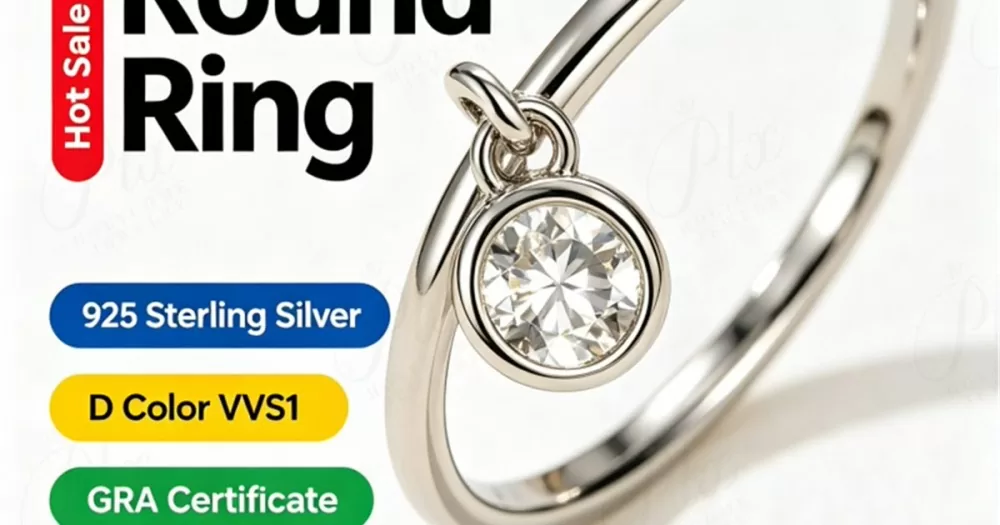
Rhodium plating is the default for most white-silver jewelry sold in retail, because it also brightens the piece and hides the slightly gray tone of bare sterling. If your product photos show bright white silver, the piece is rhodium-plated. Sell rhodium-plated silver as rhodium-plated, not as 'white silver'.
Packaging that delays tarnish in storage
The second prevention layer is the packaging. Even rhodium-plated pieces will tarnish if they sit in a warehouse or a retail shelf for six months in unsealed plastic. Three cheap steps:
- Anti-tarnish strips or tabs in each pouch or box. These absorb sulfur and cost pennies.
- Sealed poly bags around the piece before it goes in the pouch. Reduces air exposure.
- Silica gel packet in the box to control humidity.
These three together add roughly $0.10-$0.20 per piece and measurably reduce tarnish complaints on pieces that sit in inventory for months. They are especially important if you sell through retailers who hold your stock before selling it.
Customer instructions that prevent returns
The third prevention layer is the card you include in the box. Most customers do not know that sterling silver tarnishes. Tell them, and tell them how to fix it.
- Remove jewelry before showering, swimming, exercising or applying perfume.
- Store in a pouch or box, not loose on a counter.
- Clean with a polishing cloth, not a chemical dip (dips strip the plating).
- Expect slight tarnish over months; it is normal and reversible.
A one-page care card in every package costs $0.05 and reduces tarnish-related returns by a measurable amount. Customers who were warned are customers who polish rather than return. Customers who were not warned see tarnish as a defect.
What is normal vs what is a defect
Not every tarnish complaint is preventable. A piece that turns black within a week of delivery, with a green mark on the skin, is not normal tarnish - it is likely a plating failure or a base-metal piece mislabeled as sterling. That is a QC problem on your side. A piece that dulls over six months and polishes clean with a cloth is normal. Train your customer service team to tell these apart, and to offer a polishing cloth or a re-plating rather than an automatic refund.
Polishing cloths as a retention tool
A free polishing cloth in every order does more than reduce tarnish complaints. It is a small, useful branded item that the customer keeps on their dressing table and sees every morning. Printed with your logo, it becomes a quiet reminder of your brand every time they use it. The cloth costs $0.20-$0.40 in bulk and it is one of the highest-return marketing touches in jewelry. Include it with every order, not just the premium ones.
We supply rhodium-plated sterling silver with anti-tarnish strips and sealed packaging as standard, and we include a one-page care card template on the 925 silver program page. Tarnish is not a defect; it is chemistry. The prevention is in the finish, the packaging, and the note you send with the piece. Do those three and the complaints drop sharply.
Authoritative References
For buyers who need to verify the technical and regulatory basis of this guide, the following independent institutions publish authoritative reference data:
- Wikipedia: Sterling Silver - the 92.5% silver alloy standard and hallmarking conventions.
- ISO 9001 Quality Management - the international standard for consistent production quality.