Women’s Rings
Wholesale Women’s Rings: Sizing, Setting & Durability
November 27, 2026 / Holycome Trade Desk / 8 cards
Women’s Rings succeed or fail in the wholesale market on three practical decisions: how you size the run, which setting you choose for each design, and how th
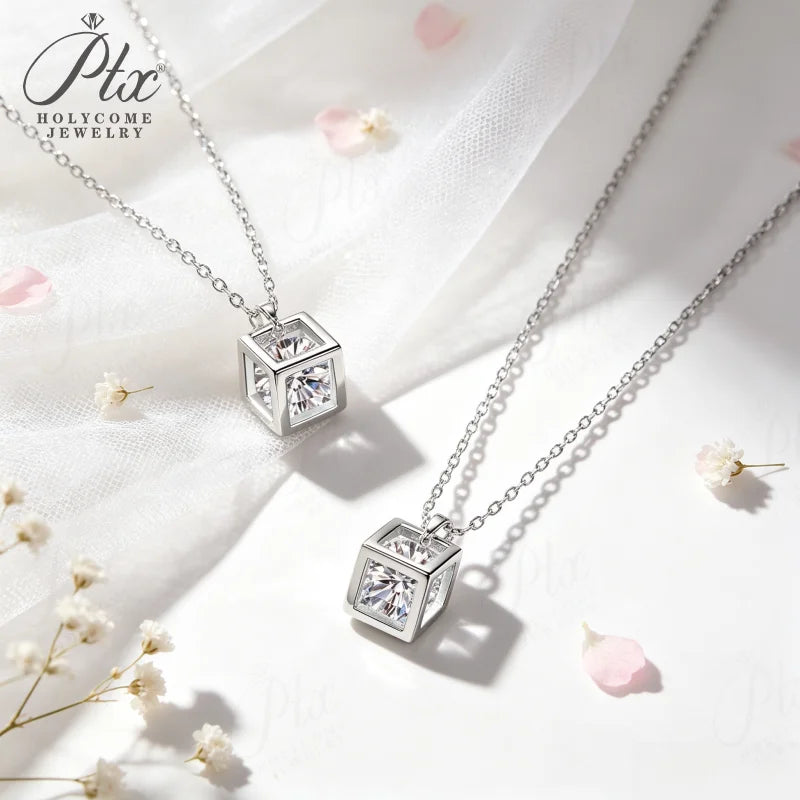
Women’s Rings succeed or fail in the wholesale market on three practical decisions: how you size the run, which setting you choose for each design, and how the metal construction holds up in daily wear. A supplier who can document sizing standards, explain prong versus bezel trade-offs, and show a clear quality control process gives your buying team the detail it needs to order with confidence.
This guide walks through each of those decisions with the specifics that matter when you are evaluating a manufacturer for your Women’s Rings program.
Ring Sizing Standards for the US Wholesale Market
The United States uses a numeric ring size scale that runs from roughly size 3 to size 15, with women’s fashion and fine rings concentrated between size 5 and size 9. When you place a production order, the single most costly sizing mistake is assuming the same size run works across every style.
A wide-band statement ring sits tighter on the finger than a thin band of the same marked size, so many manufacturers recommend sizing up a half size for bands wider than 6 millimeters.
Building a Size Run for Retail Sell-Through
For stock styles, most US wholesale buyers concentrate inventory in sizes 6, 7, and 8, which cover the majority of the female market. Size 5 and size 9 fill out the run for smaller programs. A practical approach is to request a quantity breakdown by size when you ask for a quotation, then compare that breakdown against your own sell-through data from previous seasons.
Because our minimum order quantity is 1 piece for stock styles, you can test a new silhouette in a few core sizes before committing to a full run, which removes much of the sizing risk from first-time orders.
Half Sizes, Custom Sizing, and Adjusters
Custom work carries a 30-piece minimum per style, and that threshold applies whether you need a specific half-size run or a modified width. If your brand targets a market segment with different sizing needs, such as petite or extended sizing, the custom route lets you define the exact distribution.
For adjustable fashion rings, spring-loaded or open-shank adjusters can cover a three to four size range, but they change the hand feel of the piece and should be sampled before you approve bulk production. Sampling takes 7 to 10 days, which is enough time to check the adjuster mechanism on several finger sizes.
Setting Choices That Affect Cost and Stone Security
The setting is where sizing and durability meet. Each major setting type changes the labor cost per piece, the perceived value at retail, and the risk profile for stone loss over time. Your supplier should be able to produce all of the common types and explain the trade-offs for each design you plan to launch.
Prong Settings
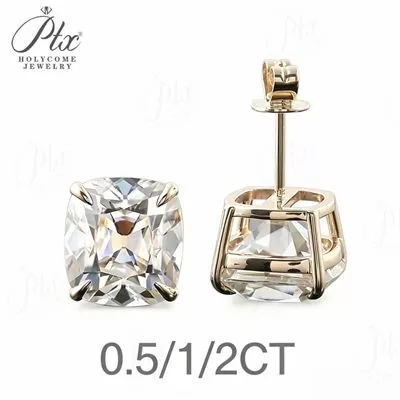
Prong settings use between four and six metal claws to hold the stone above the band. They expose more of the stone to light, which suits moissanite well because the material is a lab-created diamond alternative with strong light return. Prongs are also the setting type most exposed to snagging and bending, so prong tip thickness and symmetry belong in your inspection checklist.
For 925 sterling silver production, slightly heavier prong tips reduce the chance of a claw deforming during packaging and transit.
Bezel and Channel Settings
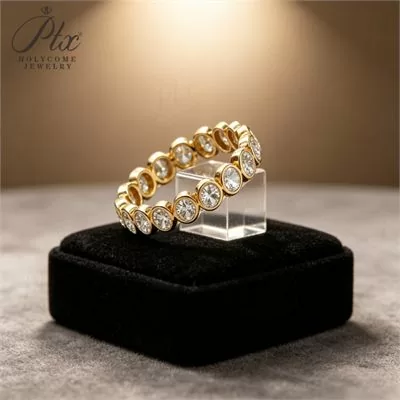
A full bezel wraps the stone’s girdle in metal and is the most secure setting for daily-wear designs, at the cost of more metal and more labor per piece. Channel settings set a row of stones between two metal rails along the band, a common look for stackable bands and anniversary styles. Both settings protect stone edges well, which matters if your retail channel includes stores where rings are tried on repeatedly.
The trade-off is higher unit cost, so many buyers reserve bezel and channel work for their core, restocked styles and use prong settings for trend-driven pieces.
Pavé and Micro Pavé Considerations
Pavé work sets small stones into the band surface with tiny beads of metal, and micro pavé does the same at a smaller scale under magnification. These settings read as high-end at retail but demand tighter process control in manufacturing. Ask your supplier about bench magnification standards, bead-raising technique, and how setters handle silver, which is softer than gold and deforms more easily under setting pressure.
A well-run pavé line will show consistent stone tables at a uniform height with no exposed girdles when you inspect the sample under 10x magnification.
Metal Selection and How Each Metal Wears
Compliance and durability both start with naming the metal correctly. Your supplier should identify every piece as one of the following: 925 sterling silver, gold vermeil, gold plated, or 10K, 14K, or 18K solid gold. Never accept marketing language that calls plated or vermeil pieces solid gold, because that mislabeling creates real liability in the US market and with your own customers.
| Metal | Typical Use | Wear Characteristics | Handling Notes |
|---|---|---|---|
| 925 sterling silver | Fashion and starter programs | Softer alloy; rhodium plating improves scratch resistance | Check plating thickness on samples |
| Gold vermeil | Premium fashion lines | Thick gold layer over sterling silver | Verify base metal is sterling |
| 10K solid gold | Everyday rings | Harder gold alloy with strong prong retention | Suits active-wear designs |
| 14K solid gold | Bridal and fine jewelry lines | Balanced hardness, color, and workability | The volume standard for US retail |
| 18K solid gold | High-end collections | Softer and richer in color | Slightly wider prongs advised |
Use the table as a starting point, then confirm specifics on the sample. Silver programs should include a stated plating specification, and gold programs should come with metal content documentation. If your pieces are set with graded moissanite, each stone should ship with GRA or IGI papers so your retail team can present certification to customers. Pricing is quoted per piece or per carat depending on the item, so clarify which basis applies to each line before you compare suppliers.
Durability Validation and Three-Stage Quality Control
Durability is not a claim you accept on faith; it is something you verify through the supplier’s inspection process and through your own sample testing. A dependable manufacturer documents quality control at three distinct stages rather than checking only finished goods.
Incoming and In-Process Inspection
Incoming inspection covers raw materials: sterling silver stock, gold stock, plating chemistry, and loose stones. In-process inspection happens on the bench while the piece is being built, catching problems such as misaligned prongs, uneven plating prep, or stones set at inconsistent heights before assembly is complete. Ask to see the checkpoints written down, and note whether in-process checks apply to both silver and gold lines or only to one.
Pre-Shipment AQL Inspection
Pre-shipment inspection uses AQL sampling on the packed, finished order. This is the stage that protects you most directly, because it measures the actual goods you will receive against an agreed acceptable quality limit. Before bulk production begins, agree in writing on the AQL level, the defect classifications for minor and major defects, and the specific checks included: stone security, prong alignment, plating finish, solder joints, hallmark accuracy, and size marking.
A supplier who resists defining these terms at the sampling stage will be harder to work with after you have paid a deposit.
Stone Security Testing on Samples
During the 7 to 10 day sampling window, test stone security the way a consumer would wear the ring. Flex the shank gently, check that prong tips sit flush against the stone, and tap-test pavé work to listen for loose stones. For moissanite pieces, confirm that the accompanying GRA or IGI papers match the stones in the sample. These checks cost you nothing beyond attention, and they surface durability problems while changes are still inexpensive to make.
Ordering Terms, Timelines, and Delivery to the US
Understanding the commercial framework helps you plan launches around real production lead times. Our terms are structured for both small test orders and larger seasonal programs.
- Minimum order quantity: 1 piece for stock styles; 30 pieces for custom work. Loose stones are sold by the carat.
- Sampling takes 7 to 10 days; bulk production takes 15 to 25 days after sample approval.
- Pricing is quoted per piece or per carat depending on the item.
- Payment is by T/T with a 30 percent deposit and the 70 percent balance before shipment; PayPal is accepted for sample orders.
- DDP delivery to the US takes 5 to 8 days, with duties and shipping handled before the goods reach you.
The 30 percent deposit structure means your cash exposure during production is limited, and the balance falls due only when the completed order is ready to ship. DDP terms remove customs paperwork from your side of the transaction, which matters for smaller buyers without an in-house import compliance process.
When you plan a seasonal launch, combine the 7 to 10 day sampling period, the 15 to 25 day production window, and the 5 to 8 day transit time, then add buffer for revisions. A new custom style realistically needs six to eight weeks from first inquiry to stock on your shelf.
Order Terms for Wholesale Buyers
MOQ is 1 piece for stock styles and 30 pieces for custom work, and loose stones are sold by the carat. Sampling takes 7 to 10 days, and bulk production runs 15 to 25 days after the sample is approved. Pricing is quoted per piece or per carat depending on the item. Payment is T/T with a 30% deposit and the 70% balance before shipment, and PayPal is accepted for sample orders.
Frequently Asked Questions
What size run should I order for my first Women’s Rings purchase?
Concentrate your first order in sizes 6, 7, and 8, which cover most of the US female market. With a 1-piece minimum on stock styles, you can sample several sizes of a design before committing to a full run. For custom designs, the 30-piece minimum lets you define an exact size distribution that matches your customer data.
How do I know a piece is really solid gold and not plated?
Require the supplier to state the metal for every SKU as 925 sterling silver, gold vermeil, gold plated, or 10K, 14K, or 18K solid gold, and check hallmarks on the sample. Plated and vermeil pieces must be labeled as such, never as solid gold. Vermeil should have sterling silver as its base metal, so ask for documentation on that point as well.
Which setting is most secure for daily-wear moissanite rings?
Full bezel settings hold the stone most securely because metal surrounds the girdle, followed by channel settings for rows of stones. Prong settings show more of the stone but expose prong tips to snagging. Many buyers use bezel or channel work for everyday core styles and prong settings for trend pieces.
What does the pre-shipment AQL inspection actually cover?
It is a statistically sampled inspection of your packed, finished order against an agreed acceptable quality limit. It covers stone security, prong alignment, plating finish, solder joints, hallmarks, and size marking. You should agree on the AQL level and defect classifications in writing before bulk production starts, not after.
Can I order loose moissanite stones separately from finished rings?
Yes. Loose stones are sold by the carat, and graded stones come with GRA or IGI papers. This is useful if you want to match stones across a multi-piece line or replenish stones for repairs on styles already in your inventory.
Move From Sample to Shelf With a Clear Process
Sizing, setting, and durability decisions become straightforward when your supplier documents them: a defined size run, a setting chosen for the wear profile of each design, metal named accurately on every SKU, and quality control verified at incoming, in-process, and pre-shipment AQL stages.
With 1-piece minimums on stock styles, 7 to 10 day sampling, 15 to 25 day bulk production, and DDP delivery to the US in 5 to 8 days, you can test a Women’s Rings concept quickly and scale it once the sell-through data supports it.
Start by browsing our full catalog through all products for wholesale Women’s Rings, review proven designs in our best sellers collection of women’s rings, and read more buying guidance in our jewelry wholesale journal. Request a quotation with your size breakdown and setting preferences, and our team will prepare samples within 7 to 10 days.
Sources: Grading references: GIA gem education and GIA laboratory information.