Product Guides
Colored Gemstone Wholesale: Which Stones Actually Move in 2026
Not every colored gemstone is worth carrying. Here are the four stone families that reorder in 2026, realistic per-carat wholesale bands, and the treatment questions that decide margin.
A buyer walks into a wholesale gem show and walks out with two trays: one of hot-pink tourmaline that sold out in three weeks, and one of low-grade garnet that has sat on a shelf for fourteen months. The difference was not luck. It was knowing which stone families actually move at retail in 2026, and which are a dealer's slow stock being pushed on a tray basis. Colored gemstone wholesale rewards narrow depth over broad variety — three fast-moving stones outsell twenty slow ones.
The four stone families that reorder in 2026
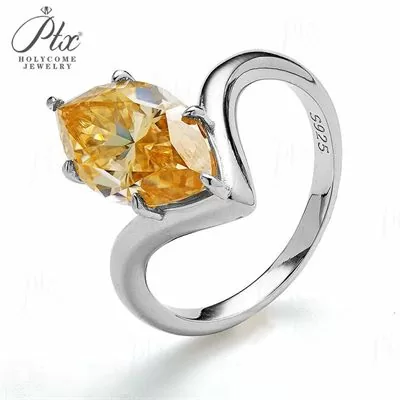
Across independent retailers and mid-market e-commerce, four families have carried consistent reorders over the last four seasons. Blue sapphire remains the workhorse: cushion and oval 4–6 mm stones in medium blue trade steadily, and the lab-grown and heated natural markets now run in parallel price bands. Emerald — both natural and lab-grown — has held, especially in marquise and pear for vintage-style lines; see lab-grown emerald pricing and sourcing. Morganite and pink tourmaline cycle in and out with bridal, but 5–7 mm oval pink stones still move in pendant settings. Garnet and amethyst round out the affordable end, where 3–5 mm stones sell by the strand for stackable rings and earring studs.
Stones that look attractive on a tray but reorder poorly include low-grade opal (too many crack disputes), opaque turquoise (stability issues), and heavily treated quartz sold as "designer colour." If a stone needs a long explanation at retail, it needs a lower buy quantity. Compare the grade language on your sheet against GIA 4Cs and colored-stone colour grading so the words you buy with match the words you sell with.
Realistic 2026 wholesale bands, by stone
These are indicative FOB cutting-house bands for calibrated 4–6 mm stones, loose, untreated or routinely heated as noted:
- Blue sapphire, heated, medium, 4–5 mm: USD 8–25 per piece.
- Pink tourmaline, 5–6 mm, clean: USD 12–35 per piece.
- Morganite, oval 7×5 mm: USD 6–18 per piece.
- Amethyst, 4–6 mm deep purple: USD 2–6 per piece.
- Garnet (red/green), 3–5 mm: USD 1–4 per piece.
- Lab-grown emerald, 5–7 mm: USD 15–45 per piece.
Origin premiums matter for the high end. Unheated sapphire from Kashmir or Ceylon commands a multiple that most independent retailers cannot stock — plan for heated, declared material unless your channel explicitly asks for unheated. Treatment disclosure is not optional under FTC 16 CFR Part 23: heat, oil and fracture-filling must be stated, and the stone you sell must match the treatment on the invoice.
How to buy depth without overstocking
The mistake new buyers make is buying one of each stone to fill a tray. That produces twelve slow SKUs instead of three fast ones. Instead, pick two or three stone families and buy calibrated shapes in matched sizes. A 4 mm round sapphire that comes in pairs sells into stud earrings; a 5 mm oval sells into pendants; a 6 mm cushion sells into rings. Tie the size logic to your finished-line plans in stud earring SKU planning and tennis bracelet stone counts. For the parcel approach — buying mixed calibrated lots at a discount — read grading a loose stone parcel on approval.
Treatment questions that decide margin
Ask the supplier three things in writing before you buy: Is the stone heated or unheated? Is it oiled, fractured-filled, dyed or irradiated? And does the certificate state the treatment? A stone bought without treatment disclosure becomes a disclosure problem at retail. Heated sapphire and amethyst are routine and sell fine. Oiled emerald and fracture-filled ruby need honest tag language. Dyed or irradiated material should carry a lower buy-in because customer expectations are harder to set.
FAQ
Which colored gemstone sells fastest for a new retailer?
Blue sapphire in 4–5 mm and amethyst in 5–6 mm. Both have stable retail expectations, low treatment surprises, and a price band that fits silver and gold-fill settings.
Should we buy natural or lab-grown colored stones?
Depends on channel. Natural sapphire and ruby suit fine-jewellery buyers; lab-grown emerald and sapphire suit price-driven DTC. Lab-grown colored stones price 30–60% below comparable natural and carry consistent colour.
Is a certificate required for every colored stone?
Not for USD 10–30 stones. Above USD 200 retail, or for unheated origin stones, a lab report protects you in a dispute. For the lab-grown side, see certificate requirements for lab-grown wholesale.
How much should we spend on a first colored-gem order?
USD 1,500–3,000 across two stone families, in calibrated matched sizes. Spread wider and you create slow stock. Tie the buy to a simple landed-cost plus keystone margin plan.
HOLYCOME supplies calibrated colored gemstone lots — sapphire, emerald, morganite and tourmaline — with treatment stated on the invoice and matched-size packs for earrings, pendants and rings. Ask for the current colored-gem sheet and a 10-stone sample pack.