Product Guides
Tennis Bracelet Wholesale: Stone Count, Karat and Metal Options That Sell
Tennis bracelets live on stone consistency and clasp security. Here are the 2026 wholesale options across stone count, karat and length, and which combinations actually reorder.
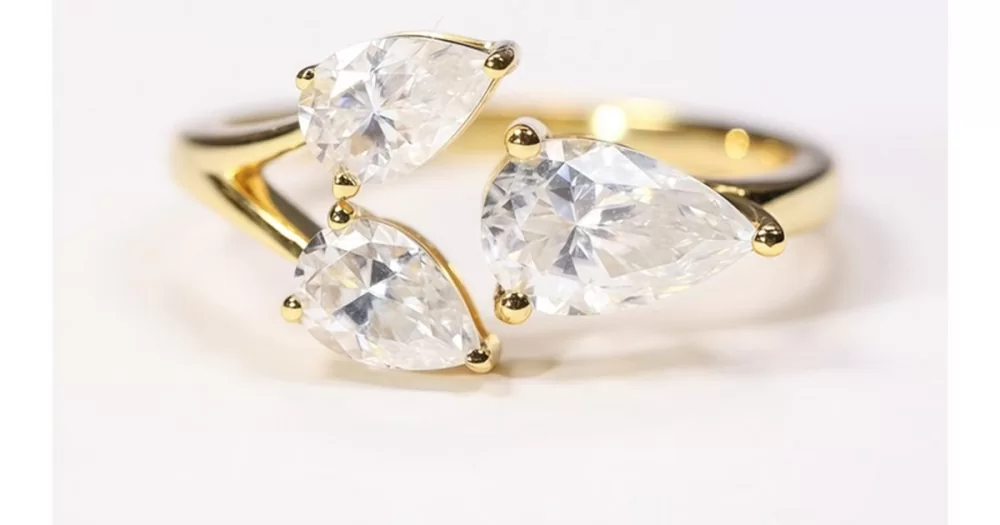
A tennis bracelet returns to you in two weeks because one stone fell out on the first wear. The retail customer blames the bracelet; you, the buyer, look at the photos and see a thin 4-prong setting on a 3mm stone with no safety clasp. The design was wrong, not the factory. Tennis bracelets are one of the highest-movement jewelry categories in 2026, but they are also one of the most design-sensitive: stone size, prong count, karat and length all decide whether a SKU becomes a repeat reorder or a return cluster.
The two setting styles and who they suit
Four-prong box setting is the classic tennis look: each stone sits in its own box, four prongs per stone, maximum light return. It looks brightest but is also the easiest place to lose a stone if prongs wear. Channel setting slides stones into a metal channel between two rails; it is more secure, sits flatter, and is preferred by active-wear customers and men's lines. For wholesale buying: stock prong setting for the bridal and gift window, channel setting for everyday-wear and men's lines. If you are building a men's assortment specifically, read the demand side in 2026 men's and silver demand.
Stone count and what it actually costs
A standard 18 cm women's tennis bracelet uses roughly:
- 3.0 mm stones — about 48-52 stones, total weight around 3.5-4.5 ct equivalent. The everyday-wear band.
- 3.5 mm stones — about 42-46 stones, total around 5-6 ct equivalent. The most reorder-friendly size.
- 4.0 mm stones — about 36-40 stones, total around 7-9 ct equivalent. The statement band, higher price point, slower turn.
- 4.5-5.0 mm stones — about 30-34 stones, bridal or gift band, premium price.
The hidden cost is not stone size but colour consistency across the whole bracelet. A matched lot of 50 stones in one colour band costs more than mixing whatever the cutting house has on the shelf. Insist on matched-lot stones in the PO; read the pricing logic in moissanite per-carat pricing 2026. Moissanite is the default stone for mid-tier tennis bracelets in 2026; lab-grown diamond is the premium upgrade.
Karat and metal options, ranked by reorder
Sterling 925 with rhodium plating is the volume band: USD 18-35 FOB wholesale, USD 60-120 retail. This is where 70% of reorders happen. Gold-fill over sterling is the mid band: warmer tone, longer plating life, USD 35-60 FOB. 10K or 14K solid gold is the premium band: USD 250-600+ FOB, gold-price sensitive, slow turn but high margin. Whatever the metal, the stamp must be accurate under FTC 16 CFR Part 23; a gold-plated piece stamped 14K is a violation, not a sales boost. EU lines additionally need the nickel-release file — see REACH nickel limits.
Length and clasp: the two return killers
Standard lengths are 16 cm (child or slim wrist), 17.5-18 cm (women's average), 19-20 cm (larger wrist or men's). A 2 cm extension chain on every piece removes a whole return reason — "too tight" — and costs under USD 0.30. Clasp: never stock a lobster clasp alone on a tennis bracelet. Require a figure-8 safety or a double-latch box clasp. Stones fall out when clasps open unexpectedly; that is the number-one tennis bracelet warranty claim. Build both into the PO per the first-order checklist.
How to split a first tennis bracelet order
Buy 200 pieces across four SKUs to start: 3.5 mm sterling rhodium prong (80 pieces, your volume SKU), 3.5 mm sterling channel (40 pieces), 3.0 mm gold-fill prong (40 pieces), 4.0 mm sterling statement (40 pieces). That covers the price points your customers actually buy, keeps MOQ manageable per small-buyer MOQ leverage, and lets you see within 90 days which colour and prong style your audience prefers before you reorder at volume.
FAQ
What stone size moves fastest in 2026?
3.5 mm moissanite prong-set in sterling rhodium. It hits the USD 80-120 retail sweet spot and reorders faster than either smaller (too dainty) or larger (too slow).
Do we need lab-grown diamond tennis bracelets?
Yes as one premium SKU, not the whole line. Lab-grown at 4-5 mm doubles the retail price and halves the turn; it is the gift and bridal end of the range.
How long should the standard length be?
18 cm with a 2 cm extension chain for women's, 19 cm with extension for men's. The extension removes most length returns for under USD 0.30.
What is the most common warranty claim?
Stone loss from worn prongs or an opened clasp. Prevent it by insisting on four-prong box settings with safety clasps, and by asking for a 3% spare-stone supply in the carton for repairs.
HOLYCOME manufactures moissanite and lab-grown tennis bracelets in sterling 925 rhodium, gold-fill and 10K, with matched-lot stones, safety clasps and extension chains standard. Ask for the tennis bracelet catalog and MOQ ladder.