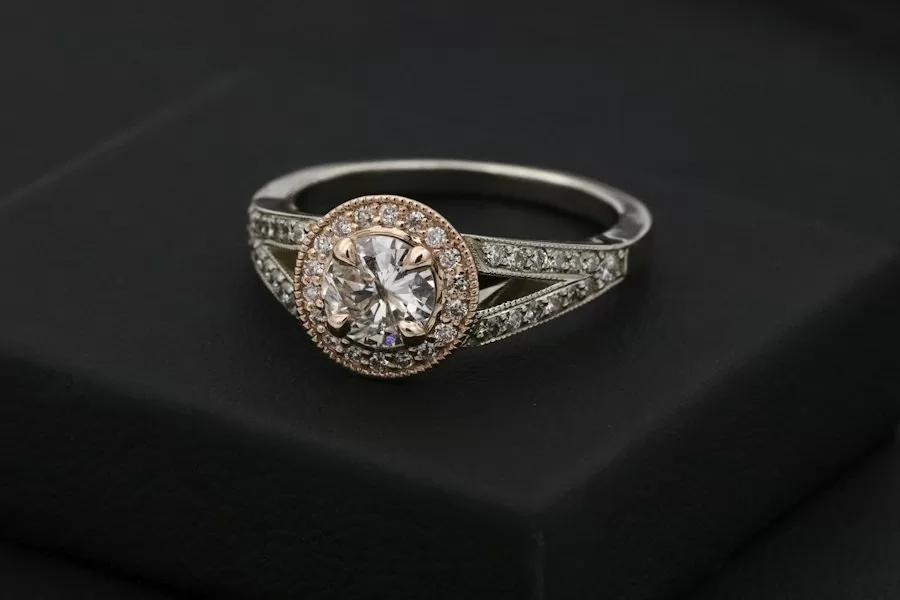
Moissanite
Moissanite Certificates and Appraisals: Building Retail Trust
Documentation is the cheapest trust-building tool a moissanite retailer has. Here is how certificates and appraisals work together at the counter.
Trust is the whole game when you sell moissanite. A customer who has never encountered the stone is quietly running through a checklist of doubts: is it real, will it hold value, can anyone tell, and what do I tell my family at the holiday dinner. A thoughtful certificate and appraisal program answers those doubts in writing. Retailers who hand a customer a clear, documented packet with their moissanite ring close more confidently and face far fewer post-purchase returns than those who treat paperwork as optional.
The distinction matters. A grading certificate confirms what the stone is—its cut, color, clarity, and carat—and is typically supplied with the stone by a recognized moissanite grader. An appraisal is a retail document you prepare that states the replacement value of the piece, which customers use for insurance. You need both, but they do different jobs, and conflating them in front of a customer erodes credibility.
Why documentation protects the sale
Moissanite's biggest headwind is a customer wondering whether it will be dismissed as "fake" by someone whose opinion matters. A certificate that clearly identifies the stone as moissanite, with its properties stated openly, reframes the conversation: it is a genuine, graded, documented gemstone, transparently labeled. That transparency is a strength, not a weakness. Retailers who oversell moissanite as something it is not create the very trust problem they are trying to avoid. Our guide on IGI versus GRA certificates explained walks through which documents to expect and how to read them.
For insurance, the appraisal is what the customer actually needs. A ring without a documented replacement value is hard to insure and harder to replace if it is lost. Preparing a clean appraisal—describing the stone, the setting, the metal, and a stated replacement value—takes minutes and is often a value-added service the customer expects. It also anchors the retail price in the customer's mind as a defensible number.
Getting the paperwork right at the source
The best time to sort documentation is at wholesale, not after the customer buys. When you order moissanite, confirm in advance that each stone arrives with its matching certificate, and that the certificate number corresponds to the stone you receive. Mismatched or missing certificates are a recurring friction point that quietly undermines the premium you are trying to charge. Compare this against how you verify your supplier in our moissanite supplier verification guide; documentation consistency is one of the qualification questions worth asking up front.
Keep a simple process for matching certificates to inventory. Photocopy or digitize each certificate when the piece arrives, link it to the SKU, and store the original with the piece until sale. A small amount of back-office discipline removes the scenario where a customer buys a ring and you cannot produce its paper trail three days later.
How to present it to the customer
Hand the packet over deliberately. Open the box, show the stone, then lay the certificate and the appraisal beside it and explain each in one or two sentences: this is what the stone is, this is what it is insured for. Customers who see that ritual walk away feeling they bought a serious piece, not a novelty. Many retailers report that the documentation moment is the point at which a hesitant customer decides to commit.
Honesty as a long-term strategy
Moissanite wins on honesty. It is a beautiful, durable, affordable alternative that does not need to pretend to be mined diamond. Retailers who say so plainly and back it with clear paperwork build a reputation that sends repeat and referral customers. Retailers who blur the line create returns, insurance headaches, and reputational risk. For a wholesale buyer, sourcing stones with reliable certificates and preparing clean appraisals is the cheapest trust-building investment available—and it pays back on every single moissanite sale.
A simple documentation routine
You do not need an elaborate system. When a moissanite piece arrives, log the certificate number against the SKU, file the paper with the inventory, and keep a printed appraisal template ready to fill in at sale. Train one staff member to prepare appraisals consistently, so the language and replacement values stay uniform across the store. When a customer returns years later for insurance or an upgrade, having that paper trail ready makes you look organized and keeps the relationship intact. Over time, the stores that win the moissanite customer are not the ones with the loudest claims; they are the ones who can hand over a clean, honest document on the day of purchase. That small discipline is what turns a first-time buyer into a customer for life.
Build it into your receiving routine rather than treating it as an afterthought, and you will never again face the awkward moment of a customer asking for the paper trail while you scramble to find it. Documentation is not a cost of doing business. It is the thing that lets you charge a fair premium with total confidence.
Authoritative References
For buyers who need to verify the technical and regulatory basis of this guide, the following independent institutions publish authoritative reference data:
- GIA Gem Encyclopedia - independent grading and identification reference for natural and lab-grown gems.
- Wikipedia: Moissanite - peer-reviewed background on moissanite chemistry, optics and history.