Moissanite
Understanding Moissanite Color Grades When Buying Wholesale
Moissanite color is one of the first quality decisions a retailer makes. Here is how grades map to price points and what to confirm with your supplier.
When retailers first buy moissanite wholesale, they often fixate on carat and sparkle and skip the one detail that silently shapes every price tier: color. Two stones that look similar under showroom lighting can sit in very different color grades, and that difference shows up the moment a customer takes the ring into daylight.
You do not need to be a gemologist to stock moissanite well. You need a working sense of how color grades map to price points, and a short list of questions to put to the supplier before you commit to a bulk order.
What "color" means in moissanite
Natural moissanite is extremely rare, so the material sold in jewelry is created moissanite produced in controlled conditions. In its most affordable forms it can carry a warmer, slightly yellow or greenish cast, especially visible around the edges of larger stones. Higher grades are produced to look closer to colorless, which is why they command a premium. The trade is real: a near-colorless 6.5mm stone sits in a different retail conversation than a visibly warmer one, even at the same size.
Be careful with how grades are described across suppliers. There is no single universal grading authority for created moissanite the way there is for some other stones, and marketing labels can vary. That is why verifying the supplier, not memorizing a letter grade, is the actual protection. Our piece on verifying a moissanite supplier is the natural companion to this one.
Which grade fits which customer
- Entry or fashion tier. A slightly warmer stone is perfectly acceptable in small studs, everyday pendants, and fashion rings where the customer is buying the look at an accessible price. Buyers here are not comparing side by side with a diamond; they want sparkle and value.
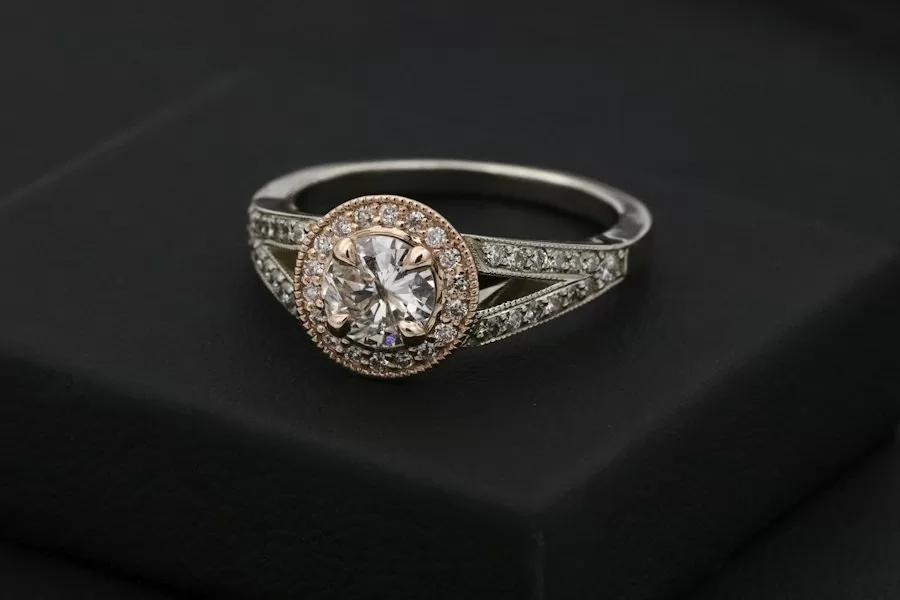
- Mid tier. A better color grade on a 6.5mm round solitaire is the sweet spot for engagement-style and promise rings, where the stone is the hero and will be scrutinized in daylight.
- Premium tier. The most colorless stones justify the highest price and the strongest customer story, usually in larger sizes or solitaires sold as keepsake pieces.
Ask to see the stones in real light
Supplier photos are shot to flatter. Before you reorder deep, ask for samples and inspect them yourself under a few light sources: cool LED, warm lamp, and natural window light. The color that hides under one lamp may be obvious under another. This is exactly the discipline behind a solid sample approval checklist: approve what you will actually sell, not what looks best on a screen.
Do not over-pay for grade your customer cannot see
A common new-buyer mistake is stocking only the top color grade across every category. That inflates your cost and prices you out of the everyday stud market that pays rent. Match grade to use: warm and affordable in fashion pieces, cleaner in hero solitaires. Your margins depend on buying the right grade for each SKU, not the highest grade everywhere.
Price it against the customer's reference point
Moissanite sells because it delivers diamond-adjacent sparkle at a fraction of the price. Set each grade against what the customer would compare it to. A near-colorless solitaire that undercuts a mined diamond by a wide margin is an easy yes for the buyer; an over-spec'd fashion stud that competes on price with plain silver loses its reason to exist. Keep wholesale moissanite pricing in view as you build the mix, and let color grade do the work of positioning each piece instead of relying on discounting to move it.
Keep a small reference set of your own
Once you settle on the grades you will stock, keep one physical sample of each tier in your office. When a supplier proposes a new stone, compare it side by side against your own reference rather than trusting a new description. This removes the guesswork from every future reorder and protects you from a production batch that quietly drifts warmer than the sample you approved.
Also track how each grade actually performs with your customers. If your shoppers consistently buy the mid-tier solitaire and ignore the premium stone, there is no reason to keep paying for the highest grade. Let your own sell-through refine the mix over time. Moissanite color is not a test you pass once; it is a small, ongoing calibration between what the supplier offers, what your customers will pay, and what your margin needs. Done that way, color grading stops being a confusing spec and becomes a positioning lever you control.
Treat every new grade as a small test rather than a full commitment. Order a few stones of a tier you have not stocked before, put them on the floor next to your existing range, and watch which one customers actually reach for. The market tells you faster than any article can what your local shoppers value. Let that answer drive the next buy, and keep adjusting rather than locking into a single tier forever.
Authoritative References
For buyers who need to verify the technical and regulatory basis of this guide, the following independent institutions publish authoritative reference data:
- GIA Gem Encyclopedia - independent grading and identification reference for natural and lab-grown gems.
- Wikipedia: Moissanite - peer-reviewed background on moissanite chemistry, optics and history.