Moissanite
Cushion Cut Moissanite Wholesale: Why the Shape Sells
Soft corners, strong sparkle, and a romantic face-up look. Here is how to buy cushion cut moissanite stones in wholesale lots.
Round brilliant is the safe default, but the cushion cut has quietly become one of the most requested shapes for moissanite engagement rings. Its softened square corners and large facets read romantic, vintage, and modern all at once. For a wholesale buyer, the shape is a chance to stand out from competitors who only stock rounds. The key is knowing what to inspect so the cushion you buy upholds the look your customers expect.
What a cushion cut actually is
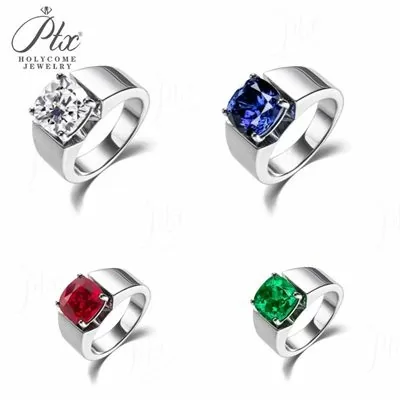
A cushion cut is a square or rectangular stone with rounded corners that look like a pillow, hence the name. It is not the same as a princess cut, which has sharp corners. Cushion stones come in chunky facets, which emphasize warmth and a soft glow, and brilliant facets, which lean more toward fire and sparkle. The two styles look different under the same light, so ask your supplier which faceting style they offer before you order a matched lot.
Why cushion works so well in moissanite
Moissanite already carries strong fire, meaning the colored flashes it throws. A cushion cut channels that fire into broad, soft patches rather than pinpricks. That combination is flattering on the hand and photographs beautifully, which matters because engagement-ring shopping now happens heavily on phones. If your customers compare shapes online, our moissanite color grade buying guide will help you explain why a near-colorless cushion reads warm and inviting rather than yellow.
What to inspect before you buy a lot
Three things separate a good cushion lot from a weak one. First, symmetry: the table should sit centered and the outline should be even. A lopsided cushion looks off the second it is set. Second, the corners: they should be soft and consistent, not chipped or irregular. Third, face-up clarity: look at the stone from directly above, not just through the side. Inclusions that are invisible loose can show once the stone is mounted and worn. Request close-up photos of each stone in the parcel, not just one hero shot.
Setting fit for cushion stones
Cushion cuts pair beautifully with halo settings, because the halo rounds the outline and boosts size perception. They also sit well in bezel and solitaire mounts, where the soft corners feel intentional. Because the corners are rounded, they are slightly less prone to chipping than sharp princess corners, but they still benefit from a protective setting for active customers. If you are building a settings wall, our guide on moissanite engagement ring settings lines up which mount styles complement cushion stones best.
Grading and certifying cushion lots
Treat cushion lots the same way you would round stones: confirm the color grade, confirm clarity expectations, and ask for the corresponding documentation. The IGI vs GRA certificate explained guide helps you understand what each paper does and does not guarantee, so you can talk to customers honestly rather than overclaiming. Honest claims protect repeat business.
Pricing and assortment logic
Fancy shapes often cost slightly more per carat to cut well than rounds, because more rough is lost. That small premium is worth paying, because a well-cut cushion carries a higher perceived value at retail. Start with one center size, commonly 6.5 mm or 7 mm, in a matched lot of five to ten stones. Add a rectangular elongated cushion as a second shape once the square version sells. Customers who want cushion usually want it specifically; offering it means capturing a buyer who would otherwise leave your store to find it elsewhere.
How cushion changes the sales conversation
Cushion buyers are often shoppers who have seen a specific shape online and want it, not browsers who will accept whatever is in the case. That makes them higher-intent but also more comparison-driven. Staff should be ready to describe the shape in plain terms: a rounded square, soft corners, broad sparkle rather than pinpoint. Keep one cushion ring and one cushion pendant on hand so the customer can feel how the corners catch light from an angle. The more tactile the demo, the less they rely on photos from a competitor, and the more likely they are to buy the piece in front of them today.
The wholesale takeaway
Inspect symmetry, corners, and face-up clarity. Match the stones in a single lot. Pair them with halo or solitaire mounts. Done right, the cushion section becomes the reason a customer picks your store over the one that only sells rounds. It also opens the door to elongated cushions and other fancy shapes later, because once a customer trusts you to stock a specific cut, they will ask what else you can get. Treat the first cushion lot as the start of a shape specialty rather than a one-off experiment. Once customers know you can source specific cuts, they stop shopping around and start asking you to find the next shape for them.Authoritative References
For buyers who need to verify the technical and regulatory basis of this guide, the following independent institutions publish authoritative reference data:
- GIA Gem Encyclopedia - independent grading and identification reference for natural and lab-grown gems.
- Wikipedia: Moissanite - peer-reviewed background on moissanite chemistry, optics and history.