Moissanite
Moissanite Cut Shapes: Oval, Cushion, Round, Pear Wholesale Guide
Shape choice drives more moissanite sales than color grade does, because shoppers buy the silhouette they picture on their hand before they buy the stone.
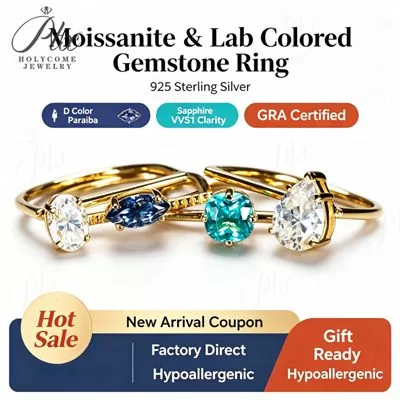
Walk a customer through a moissanite consultation and the first decision they make is not color grade. It is shape. They picture the ring on their hand, and that mental image is oval, or round, or cushion. Wholesale buyers who stock only round brilliants are leaving the most emotional purchase decision on the table. Each moissanite shape has its own demand curve, its own price-per-carat, and its own setting compatibility. Understanding the differences lets you stock the right depth and price each shape against realistic competition.
Round brilliant
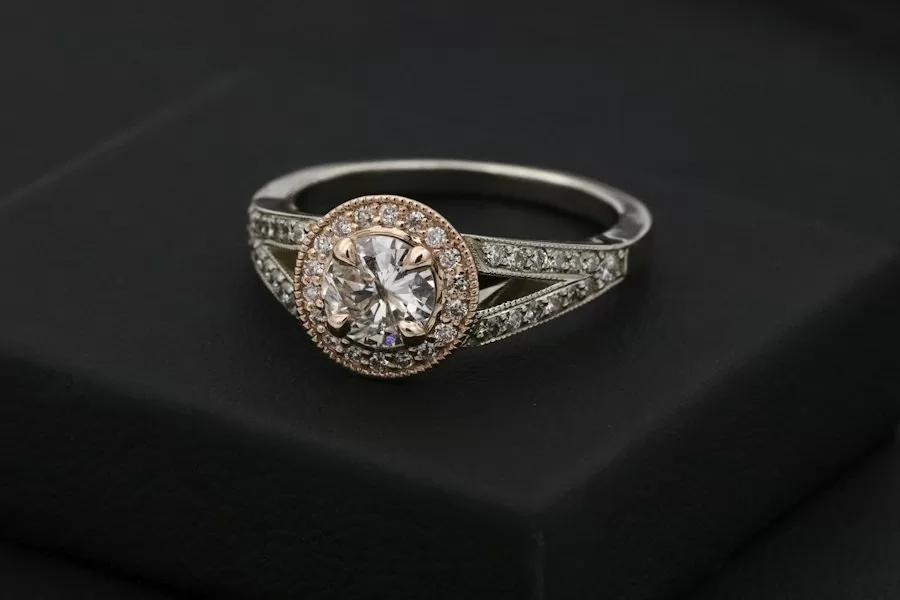
The round brilliant remains the default and the benchmark. It reflects light from every angle and hides body color better than any other shape, which is why lower-color stone grades still look white in a round cut. It is also the most expensive shape per carat, because roughly 60 percent of the rough is lost in cutting. Round solitaires stock well as mounted pieces because they suit every setting, from solitaire to halo. Keep rounds in your core inventory at every carat weight from 1ct to 3ct. They are the traffic driver; customers come in asking for a round, and often leave with an oval once they try it on.
Oval
Oval is the trend leader. It elongates the finger, reads larger face-up than a round of the same carat weight, and typically costs 10 to 20 percent less per carat. The customer conversation to prepare for is the bow-tie: a darker area across the center of some ovals caused by light leakage. Good oval cuts minimize this; cheap ovals show it clearly. Source ovals from a supplier who provides a face-up photo so you can see the bow-tie before you stock them. Ovals pair beautifully with halo and solitaire settings and are the best-selling shape for customers who want a modern, elongated look. They also photograph exceptionally well, which matters in a world where customers post their rings within hours.
Cushion
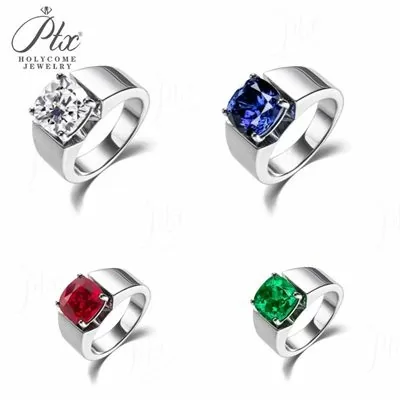
Cushion cuts have soft, rounded corners and a vintage feel. They are the shape customers describe as "art deco" or "old Hollywood." Cushions show color more readily than rounds, so step up one color grade if you stock them; a near-colorless cushion looks warmer than a near-colorless round. Cushion solitaires sell to customers who want something recognizable but not trendy. They also stack well with pavé bands. Price per carat sits between round and oval. Stock cushions in 1.5ct and 2ct; the smaller cushions read too soft to justify the price point.
Pear and marquise
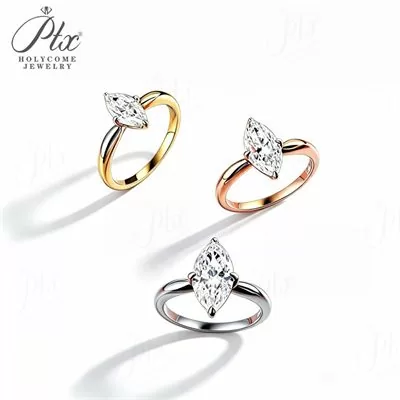
Pear and marquise are elongated shapes that maximize face-up size. Pear is a teardrop; marquise is a long pointed oval. Both elongate the finger strongly, which is why they suit customers with shorter hands. They are also the shapes most prone to chipping at the points, so bezel or halo settings are strongly recommended. Stock pears in small quantities; they sell steadily but not in the volume of ovals. Marquise is a niche and should be a loose-stone special order rather than a mounted SKU, because the setting preference varies widely and a mounted marquise that does not sell ties up capital for a long time.
Emerald and radiant
Step-cut moissanite—emerald and radiant—looks dramatically different from brilliant cuts. It shows large, open facets and less sparkle. Because step-cut moissanite reveals body color far more than a round, you should stock only the top color grades in these shapes. They are a niche for customers who want a modern, architectural look. Do not overbuy; demand is thin outside major metro areas. If a customer asks for an emerald cut, take a loose-stone order rather than committing shelf space.
Stocking strategy: loose vs mounted
Mounted rounds and ovals should fill your bridal tray because they are the fastest sellers. Cushion can be mounted in small depth. Pear, marquise, and step cuts are better held as loose stones or special orders, because the setting preference varies widely. A customer who wants an emerald cut usually has a very specific setting in mind, and mounting it yourself ties up capital. Keep a loose-stone card in the case so staff can take a custom order while the customer waits. The order takes a week or two to mount; the customer leaves with a deposit and a reason to come back.
Margin by shape
Rounds carry the lowest margin percentage because customers price-shop them heavily. Ovals and cushions carry higher margins because they are less directly comparable online. Pears and step cuts carry the highest margin because price comparison is nearly impossible. Plan your assortment around this: use rounds to draw traffic, use ovals and cushions to make the margin, and use niche shapes to serve the one-of-one customer who will not comparison-shop. A tray balanced across all four shapes turns faster than a tray of only rounds, even though rounds are the first thing customers ask for.
Authoritative References
For buyers who need to verify the technical and regulatory basis of this guide, the following independent institutions publish authoritative reference data:
- GIA Gem Encyclopedia - independent grading and identification reference for natural and lab-grown gems.
- Wikipedia: Moissanite - peer-reviewed background on moissanite chemistry, optics and history.