Moissanite
Choosing Moissanite Engagement Ring Settings for Wholesale Inventory
The setting sells the ring as much as the stone. Here is which moissanite engagement ring mounts to stock, and which to avoid.
A moissanite stone is only as saleable as the setting it lives in. Retail customers do not buy a stone and a mount as separate line items; they buy a ring, and the setting dictates how the light hits, how the ring sits on the hand, and how durable it will be in daily wear. For a wholesale buyer building a moissanite engagement case, the choice of mount is a merchandising decision with direct consequences for return rates and repeat custom.
Why setting choice matters more for moissanite
Moissanite is harder than most colored gems but slightly less hard than diamond, and it is more brittle in thin, sharp points. A setting designed for a diamond can be slightly too aggressive for moissanite if the prongs pinch the girdle too tightly. Equally, moissanite's strong fire and double refraction are best shown in settings that let light enter from the side, not settings that cover the stone in thick basketwork. Good wholesale factories understand this and design mounts specifically for moissanite rather than repurposing diamond mounts. When you source, ask whether the setting is built for moissanite or adapted from a diamond pattern. The answer tells you how much the supplier actually understands the product.
The setting styles that consistently sell
The classic six-prong solitaire. This is the default. It protects the stone, shows it cleanly, and photographs well. It is also the setting customers recognize and trust. Stock at least one solitaire in your best-selling carat weight in every opening order. If you are buying loose stones to set, our loose stones vs mounted rings guide covers how to combine both paths.
The four-prong solitaire. More open, more light, a slightly larger visual face. Popular with customers who want maximum sparkle and who are less concerned about active-wear protection. Sells well in professional customer bases.
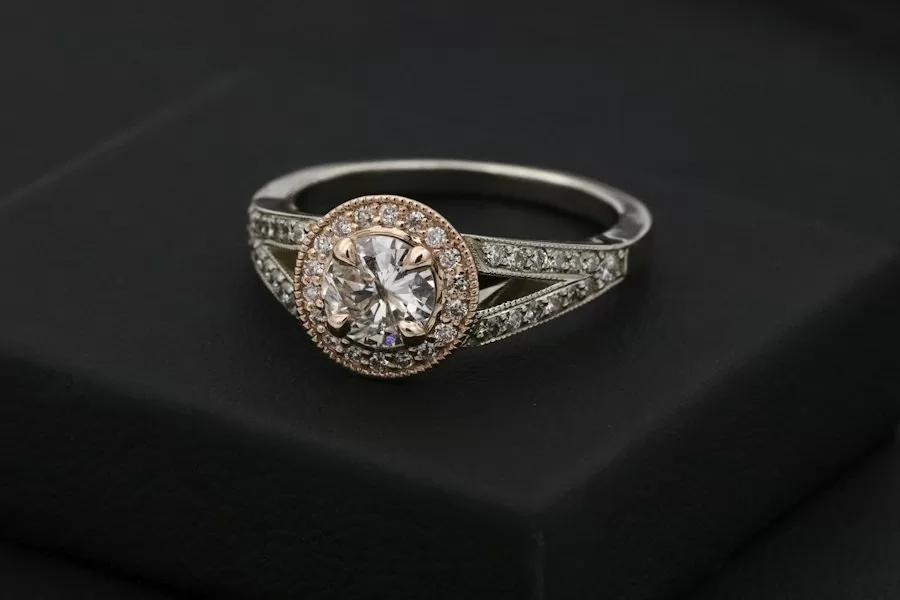
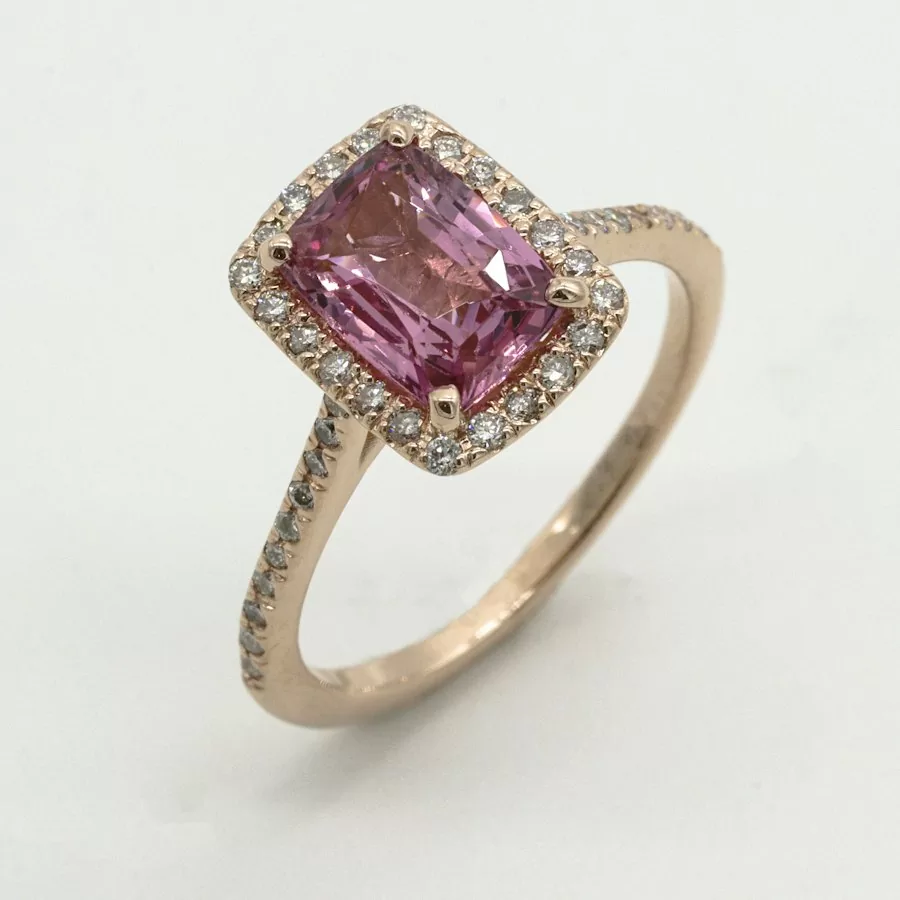
The halo setting. A center moissanite surrounded by a pavé border. The halo multiplies the apparent carat size and is the single strongest visual upgrade in moissanite retail. It is also the setting where moissanite outperforms most expectations, because the halo of small stones amplifies the fire. Halo mounts carry a higher retail ticket and a healthy margin.
Three-stone and side-stone settings. These tell a story (past, present, future) and appeal to customers who want something less generic than a solitaire. They also let you use smaller moissanite accents, which is cost-effective.
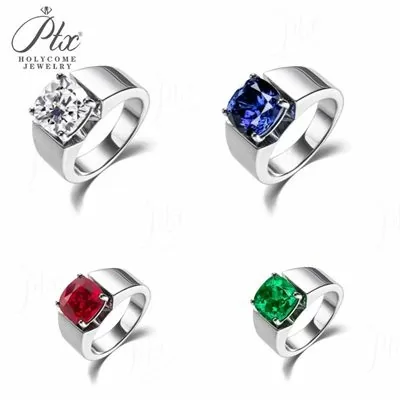
Bezel and tension-style settings. Popular for active customers and for a modern, architectural look. They are protective and distinctive. Be aware that a bezel can mute some of moissanite's sparkle, so stock this style deliberately rather than by default.
Metal choices and trade-offs
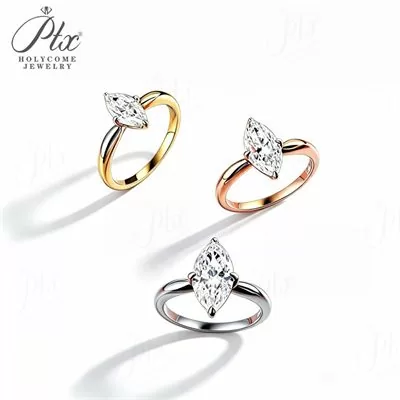
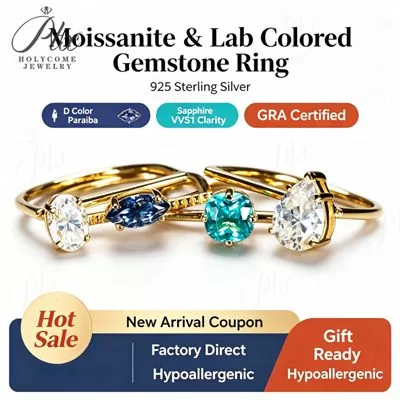
Moissanite is a near-colorless to colorless stone, so it sits cleanly in white metals, yellow gold, and rose gold. White metals are the default expectation for engagement rings, and rhodium-plated 925 silver or platinum-finish white gold reproduces that look at accessible price points. Yellow gold moissanite engagement rings have come back strongly as vintage and heirloom aesthetics return, and they are a useful differentiator in a case full of white metal. Rose gold sits in the middle: romantic, feminine, and strongly favored by younger buyers. Our silver ring plating options guide details the plating choices available in the 925 silver tier.
When you compare quotes on the same setting in different metals, look past the unit price to the perceived retail value. A yellow gold version of a halo ring often retails at a small premium over the white metal version even when the wholesale cost difference is modest, because customers read yellow gold as more traditional and more bridal. That price perception is free margin if you stock both finishes of the same silhouette.
What to avoid in wholesale mounts
Three mount features cause problems in moissanite retail. First, very thin, sharp prongs that bend easily and put the stone at risk. Second, thick closed-back mounts that trap dirt and reduce light return. Third, settings where the center stone sits too low, because moissanite's appeal is its brilliance and a low seat hides it. Inspect a sample on your own hand before reordering a style in volume. The sample approval process checklist is the right tool for that step.
Building the case
A working moissanite engagement case needs about three solitaires (one in your hero carat, one smaller, one larger), two halo styles, one three-stone, and one bezel or modern design. Spread those across at least two metal colors. That is enough range for a customer to find something that feels like her ring, without overcommitting to SKUs that will not turn. Pair the case with a clear conversation about value, drawing on our notes about moissanite vs lab-grown diamond wholesale positioning, and the setting stops being a technical detail and becomes the centerpiece of the sale.
Authoritative References
For buyers who need to verify the technical and regulatory basis of this guide, the following independent institutions publish authoritative reference data:
- GIA Gem Encyclopedia - independent grading and identification reference for natural and lab-grown gems.
- Wikipedia: Moissanite - peer-reviewed background on moissanite chemistry, optics and history.