Moissanite
Moissanite Eternity Bands: Wholesale Upsells for Bridal Counters
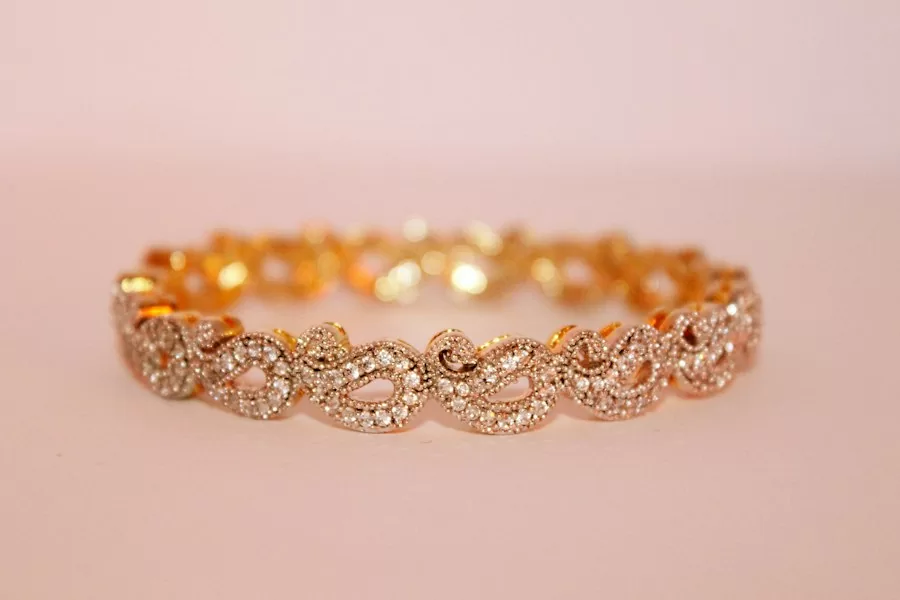
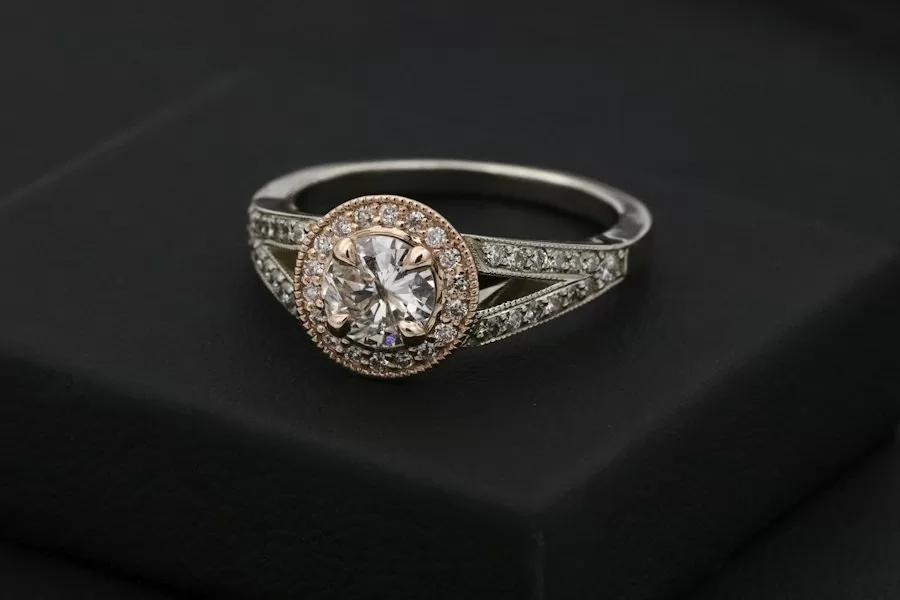
Eternity bands are one of the easiest add-on sales a bridal counter can make. Moissanite keeps the price accessible while the full circle of stones keeps the romance high.
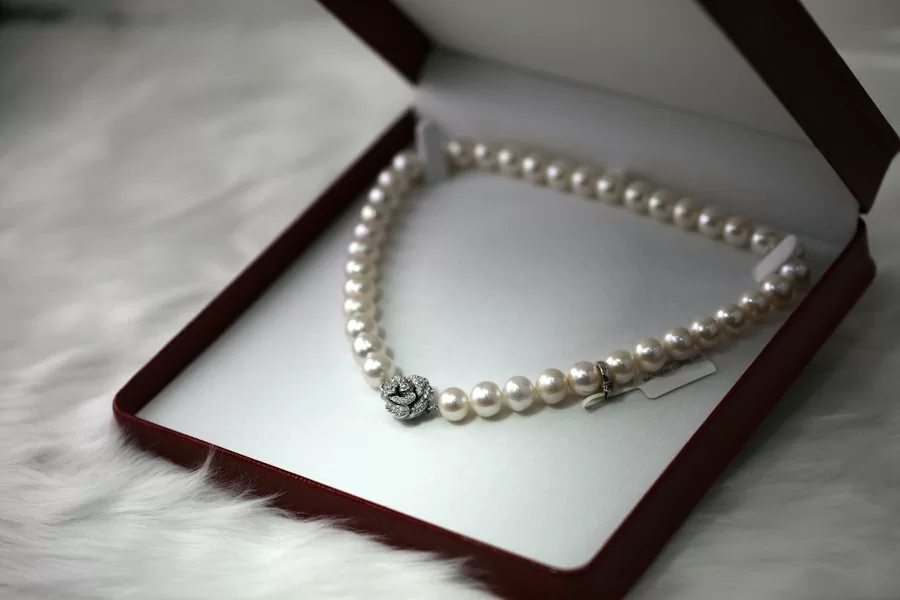
When a customer says yes to an engagement ring, the sale is rarely finished at the counter. The follow-up opportunity — a wedding band, and specifically an eternity band — is where many boutiques leave gross profit on the table. Moissanite eternity bands sit in a sweet spot: enough sparkle to feel like a celebration, low enough cost that shoppers do not hesitate, and durable enough for daily wear.
Half eternity vs full eternity
The first decision you make as a buyer is assortment, not price. Half eternity bands set stones across the front of the shank only, which means the ring can be resized later and the stones are protected where the band rubs against the finger. Full eternity bands wrap stones the entire circumference, which looks spectacular but cannot be sized once the stones go all the way around. Most retailers stock mostly half-eternity for everyday wear and keep a few full-eternity pieces as statement or anniversary options.
Why moissanite wins at this price point
A full eternity set in small diamonds is a significant purchase, and many bridal customers simply will not spend that on a band they may stack with another ring. Moissanite lets the shopper get the full-circle look at a price that feels celebratory rather than stressful. That is the same logic behind moissanite's stronger retail margins compared with tiny diamonds, where the labor cost of setting dozens of stones can swallow the markup.
Width and shank matter
Do not buy eternity bands by carat weight alone. A band that is too thin will flex and loosen prongs over time, generating repair tickets and unhappy customers. For women's eternity bands, aim for a shank width of around 1.8 to 2.5 millimeters; for unisex or men's stacking bands, 3 to 4 millimeters. Pair the band width with your customer's existing wedding and engagement ring stack so the two sit flush. A band that does not sit level next to a solitaire is a band that gets returned.
Shared prong vs pavé
Shared-prong settings use one prong between two stones, which looks lighter and uses less metal. Pavé seats stones with tiny beads, which reads denser but loses stones more easily under hard wear. For a daily-band assortment, shared prong is the safer, lower-return choice; reserve pavé for thinner dress rings sold as anniversary gifts. Always ask your supplier how stones are secured — a loosen-prong rate above a few percent will quietly erode your repair budget, which is worth keeping in mind alongside repair and resize economics.
Merchandising the upsell
Eternity bands sell when they are visible. Display them next to your engagement rings, not locked in a separate bridal tray, and train staff to mention the stack the moment a customer tries on a solitaire. A simple line — "most brides pair this with a thin eternity band that sits flush" — converts more often than a separate pitch later. Price the band as a clear tier under the engagement ring so the add-on feels like an easy decision rather than a second bill.
Count your stones and watch per-stone pricing
Eternity bands live or die by the number and consistency of the stones. A band set with ten small moissanite stones should have all ten matched in color and size; one off-white stone among nine white ones jumps out at arm's length. When you negotiate with your supplier, confirm that the stones in a band come from the same batch — the same batch discipline you would apply to a loose-stone parcel — and ask how they price per stone. Because small accent moissanite is inexpensive, the cost is often in the setting labor rather than the gems, which is why margin can stay healthy.
Metal and base options for the tier
Not every customer wants a solid precious-metal band. A 925 sterling silver base plated to white gives you an entry-tier eternity band that sells at impulse price points, while vermeil or solid-metal pieces carry the bridal and anniversary tier. Be clear with staff about which is which, so the plated band is sold as an everyday fashion piece and not mistaken for a lifetime band. This is the same honesty that guides your plating and finish choices across the silver case.
Because these bands are often bought on anniversaries and push occasions, tie a small selection into your gifting and seasonal planning alongside holiday stocking timing. Keep depth shallow and reorder-driven rather than betting on one hero piece. Done right, the eternity band turns one bridal transaction into a stack — and a customer who comes back for the tenth anniversary.
Authoritative References
For buyers who need to verify the technical and regulatory basis of this guide, the following independent institutions publish authoritative reference data:
- GIA Gem Encyclopedia - independent grading and identification reference for natural and lab-grown gems.
- Wikipedia: Moissanite - peer-reviewed background on moissanite chemistry, optics and history.