Moissanite
Fancy-Color Moissanite: Green, Teal, and Gray Stones for 2026
Fancy-color moissanite gives retailers a differentiated, higher-margin stone story that white stones cannot compete with.
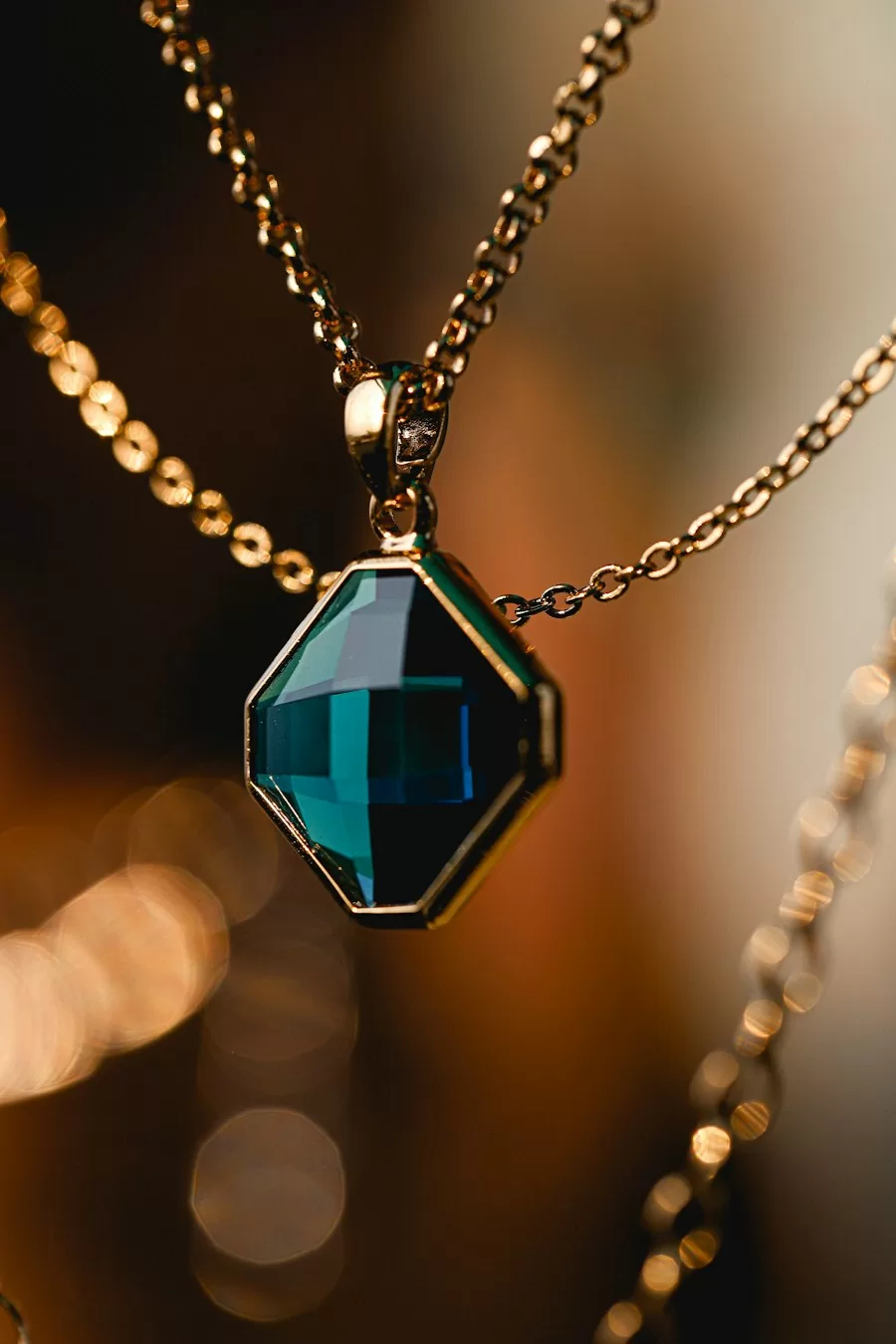
For most of the last decade, "moissanite" meant one thing: a colorless, diamond-like white stone. That assumption is no longer safe. Fancy-color moissanite, in muted greens, teals, charcoals, and warm grays, has moved from a factory curiosity into a real retail category, and it is the kind of product that draws customers walking past a display. Here is what buyers should understand before they add it to the assortment.
What fancy-color moissanite actually is
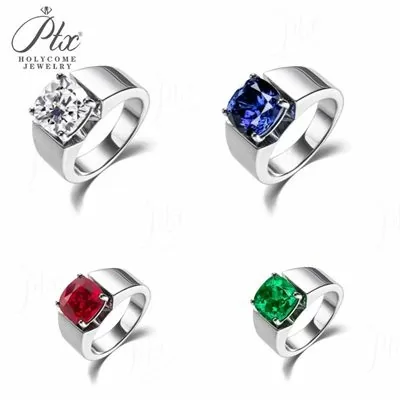
Standard moissanite is grown to minimize visible color, landing in the D-to-K white range. Fancy-color stones are grown or treated to carry a deliberate tint: soft olive and moss greens, blue-teals, smoky grays, and occasionally champagne tones. The color is even through the stone rather than painted on the surface, and the hardness and brilliance of the material remain the same. Customers who have seen every solitaire in town respond to a stone that looks like nothing else on the ring tree.
Why it is gaining traction now
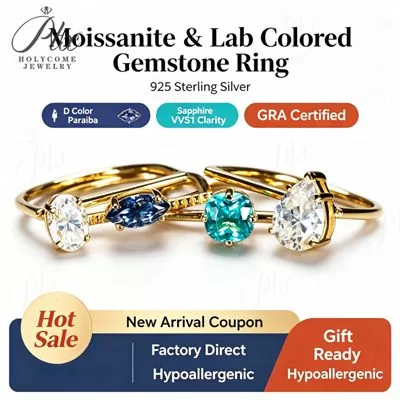
Two consumer trends are feeding demand. First, nontraditional engagement rings keep growing. Brides who want a ring that is recognizably theirs, not a replica of a social-media photo, are choosing colored center stones. A teal or green moissanite pairs beautifully with yellow gold and vintage settings, and it photographs distinctly. Second, men's and unisex fashion rings are adopting darker, muted stones; a charcoal-gray moissanite in a signet or bezel setting reads modern and masculine.
For the retailer, the strategic value is differentiation. White moissanite is sold by everyone, and price comparison is one click away. A fancy-color stone is harder to compare directly, which protects margin and makes the store feel like a destination rather than a commodity shelf.
How to buy it wholesale
Ordering colored moissanite is not the same as ordering white. Color shifts dramatically under different light, so buy samples first and inspect them under daylight, store LED, and warm lamp light. A stone that looks a rich teal at the factory can read almost blue on a white display pad. Take your own photos in your store's actual lighting before committing to a run.
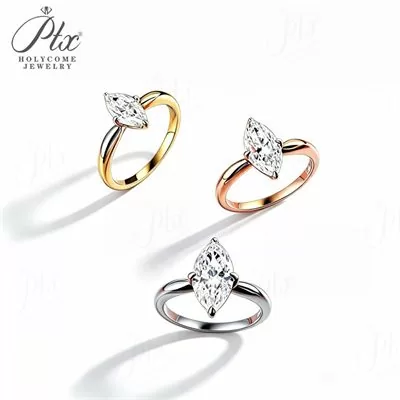
Stick to round, cushion, and oval cuts for the first order. Fancy shapes in colored stone are gorgeous but slow movers; save emerald and pear cuts for a second test. Sizes between 6mm and 8mm strike the best balance: big enough to show the color, small enough to price accessibly. Request loose stones if your store mounts its own settings, so you can pair each color with the right metal.
Merchandising and pricing
Do not mix fancy-color stones into the white moissanite tray. Give them their own small block. Customers shopping for a colorless stone will be confused by a green one beside it, and customers specifically drawn to color will not find it if it is buried. A short handwritten card explaining that the color is natural to the stone, not a coating, answers the first objection most shoppers have.
Price fancy-color pieces slightly above comparable white moissanite. The scarcity and the design story justify it, and buyers seeking something unique expect to pay a modest premium. Treat them as limited, rotating stock rather than evergreen SKUs; that scarcity is part of the appeal.
Pricing and margin logic
Because fancy-color moissanite is hard to compare against online listings, retailers can price it with healthier margins than white moissanite. A customer comparing a white solitaire finds ten online equivalents in minutes; a customer seeking a teal cushion stone finds very few. That scarcity is worth a deliberate premium, typically 15 to 30 percent above a comparable white stone. Do not overprice to the point of sticker shock, but do not race to the bottom either. The buyer who wants color already knows she is making a deliberate choice.
Avoid overpromising the color
The biggest risk in this category is expectation mismatch. A stone that photographs as a rich forest green on a black background can look almost colorless on a white display pad. Photograph your samples on the exact pad and in the exact light you sell in, and show those photos online. Customers who receive a stone that matches the picture are happy; customers who expected a deeper color than they see in hand will return it. Honesty here protects both your reputation and your margin.
Wholesale buyers can explore colored options alongside the core white range from moissanite suppliers, and pair the stones with engagement ring settings that let the color lead. Start small, photograph honestly, and let the stones pull their own crowd. The retailers who win with this category are not the ones who stock every color; they are the ones who stock two or three shades beautifully and tell the story behind each one.
Authoritative References
For buyers who need to verify the technical and regulatory basis of this guide, the following independent institutions publish authoritative reference data:
- GIA Gem Encyclopedia - independent grading and identification reference for natural and lab-grown gems.
- Wikipedia: Moissanite - peer-reviewed background on moissanite chemistry, optics and history.