Moissanite
Oval, Pear, and Cushion Moissanite: Shape Buying Guide
Shoppers are moving past the default round. Oval, pear, and cushion moissanite each carry a different margin and demand profile.
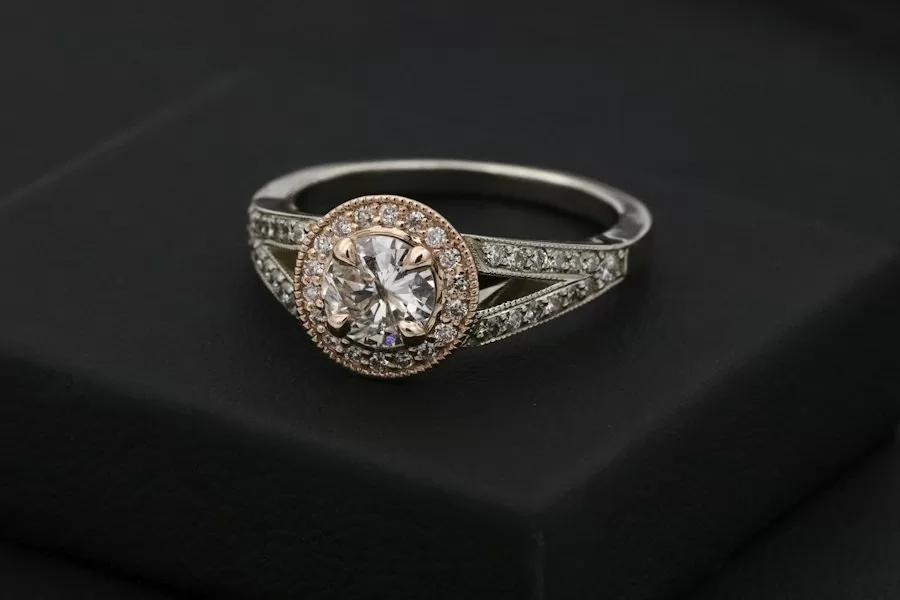
The round brilliant has been the default engagement center stone for decades, and it is still the safest SKU a jeweler can buy. But walk into a busy bridal store today and the try-on pile will usually contain more ovals, pears, and cushions than rounds. For wholesale buyers, the shift is an opportunity: elongated and fancy shapes carry stronger margins and stronger emotional pull, but they also require more careful selection.
Oval: the workhorse of the new shapes
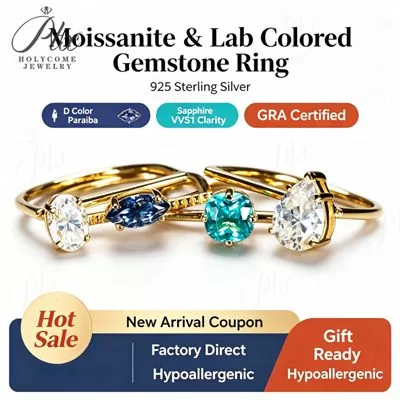
Oval moissanite has been the biggest beneficiary of the shape shift. It reads larger per carat than a round of equivalent weight, it lengthens the finger, and it pairs cleanly with halo, three-stone, and solitaire settings. Wholesale demand for oval loose stones has outpaced round growth for three consecutive seasons.
When buying oval moissanite, watch the length-to-width ratio. A balanced oval sits around 1.30 to 1.40; ratios wider than 1.50 start to look narrow and polarize shoppers. Most suppliers stock a standard ratio, but ask before ordering if you want a specific look. Ovals also show a softer bow-tie reflection than rounds; in moissanite this is usually acceptable because the stone's refractive index compensates, but very dark bow-ties should be rejected at QC.
Pear: the aspirational shape
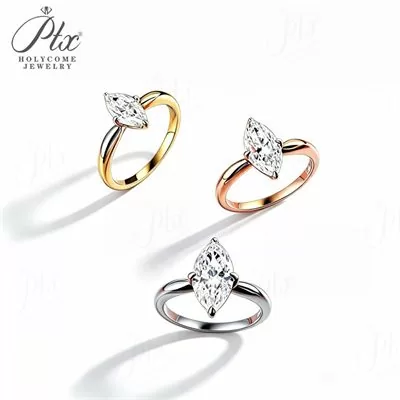
Pear-shaped moissanite sells at a higher perceived price point than oval, even at the same carat and grade. It reads elegant and slightly formal, and it is the shape most often chosen by shoppers who describe their style as "timeless" or "red carpet." Pear demand is steadier but smaller than oval; stock it in smaller quantities and lean on fast replenishment rather than deep inventory.
Pear orientation matters. On a hand, a pear with the point facing the fingertip lengthens the finger; with the point facing the palm it can look squat. Most retail customers try on both orientations, so train staff to show it both ways.
Cushion: the vintage choice
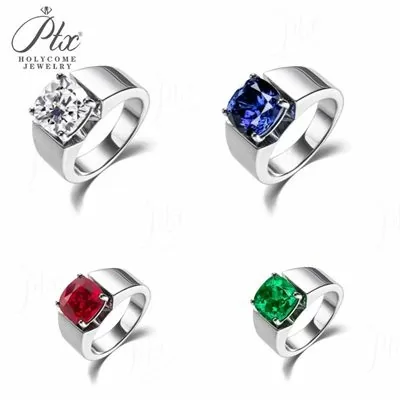
Cushion-cut moissanite is the shape most closely tied to the vintage and revival trend. Its soft corners and larger facets read warm, and it pairs beautifully with yellow and rose gold. Cushion demand is concentrated among shoppers who also like art-deco and filigree settings.
When buying cushion, pay attention to whether the cut is a "classic" or "modified" cushion. Modified cushions have a more defined facet pattern and sparkle more; classic cushions read softer. For most retailers, modified cushion is the safer first order because it photographs better and general shoppers prefer the brighter look.
Assortment ratios
A sensible starting assortment for a store that already carries rounds might be fifty percent round, thirty percent oval, ten percent pear, and ten percent cushion. Over time, as staff learn what their local clientele prefers, oval often climbs toward forty percent and round drifts down. Resist the pressure to go all-in on one shape; the stores that win the bridal refresh are the ones that can offer three shapes in the same grade side by side.
Pair shapes with the right settings
Shape demand is strongly correlated with setting fashion. Oval sells best with thin solitaire bands and east-west halos. Pear sells best with tapered baguette side stones and delicate bypass settings. Cushion sells best with vintage-inspired halos and milgrain edges. When you buy loose moissanite wholesale, ask the supplier which settings currently move with each shape; pairing the two at the case level doubles conversion.
Stock the sizes that sell
Most shape demand sits in the one-to-two-carat equivalent range. Above two carats, oval and pear start to look oversized on average hands, and the customer base narrows. For a first order, concentrate on 1.0, 1.5, and 2.0 carat equivalents in each shape. Fewer sizes, deeper selection, usually beats a wide shallow range.
Grading shape buys correctly
Shape buys should not be graded the same way round stones are. A round is judged strictly on color and clarity; an oval is also judged on symmetry and bow-tie, a pear on wing matching, and a cushion on facet alignment. Ask the supplier to send photos of the actual stones you will receive, not just catalogue renders. Many buyers have been surprised to find a "perfect" oval on paper arrives with a visible dark center. Shape tolerance is a QC step, not an afterthought.
Shapes are no longer a niche decision. They are the fastest way to refresh an engagement case on a limited budget, and the buyers who read the oval, pear, and cushion shift correctly will be the ones brides ask for by name. Most suppliers offer loose-stone samples at low cost; ordering one oval, one pear, and one cushion in the same grade lets staff feel the difference before committing to a mounted program. That sample box pays for itself the first time a customer chooses a shape they would otherwise have bought elsewhere.
Authoritative References
For buyers who need to verify the technical and regulatory basis of this guide, the following independent institutions publish authoritative reference data:
- GIA Gem Encyclopedia - independent grading and identification reference for natural and lab-grown gems.
- Wikipedia: Moissanite - peer-reviewed background on moissanite chemistry, optics and history.