Moissanite
Buying Loose Moissanite vs Pre-Mounted Rings Wholesale: Which Wins?
Loose stones give you flexibility and margin. Mounted rings give you speed and simplicity. Here is how to choose based on your store's footprint and customer base.
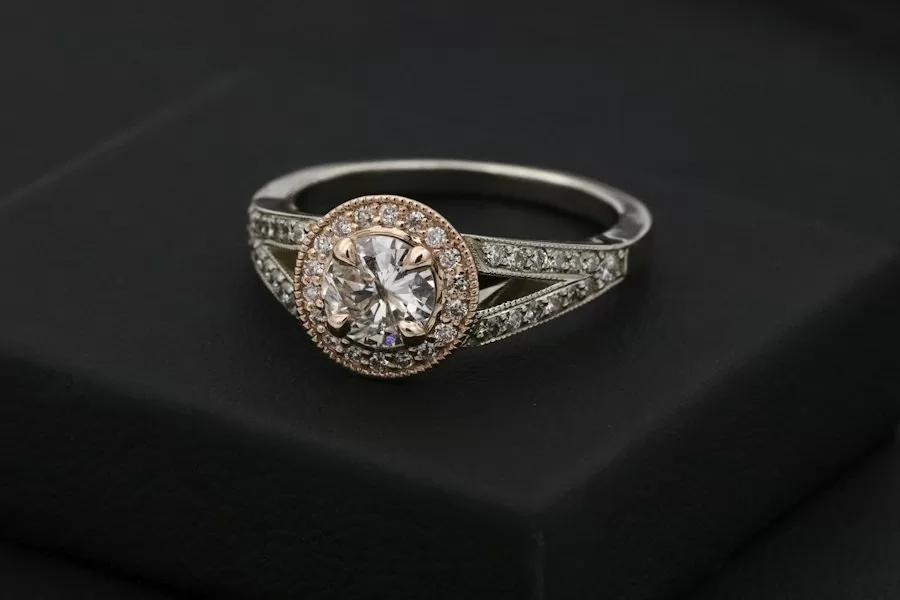
One of the first decisions a new moissanite retailer faces is also one of the most consequential: do you buy loose moissanite stones and mount them yourself, or do you buy finished rings ready for the case? The answer changes your cash flow, your turnaround time, your customer experience, and the kind of store you can credibly present to walk-in traffic. There is no universal correct choice, but there is a correct choice for your specific operation.
The case for buying loose moissanite
Loose stone buying is the model a traditional independent jeweler already understands. You select parcels by carat, color, and clarity, then work with a bench jeweler or mounting supplier to set the stones into settings you choose. The advantages are concrete.
First, margin. A loose stone at wholesale plus a mid-range mount usually lands at a lower landed cost than a comparable pre-mounted ring, especially once you control the mounting choice. Second, customization. The couple who walks in wanting a specific band width, a specific metal, and a specific stone shape is a sale you can close rather than refer. Third, inventory flexibility. One parcel of round stones can be set into solitaires, three-stone rings, pendants, or studs as demand reveals itself.
The disadvantages are equally concrete. You need bench capacity or a reliable mounting partner. You need display options to show customers what a loose stone will look like once set. You tie up capital in stones that may sit for months before the right mount and the right customer arrive. For a deep dive on parcels specifically, see our loose stone parcel buying guide.
The case for buying pre-mounted rings
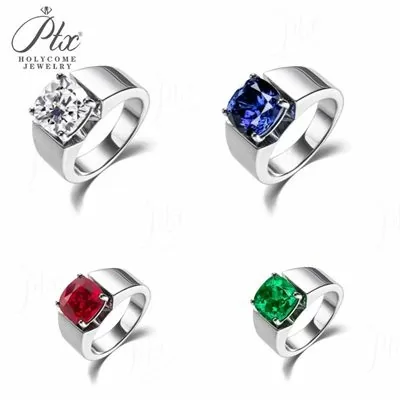
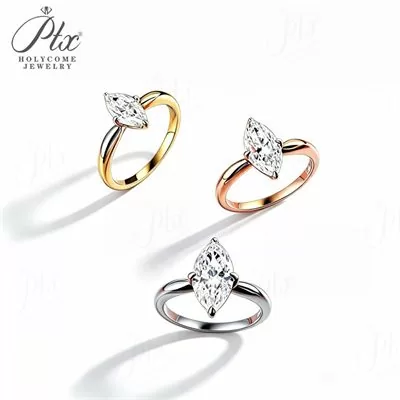
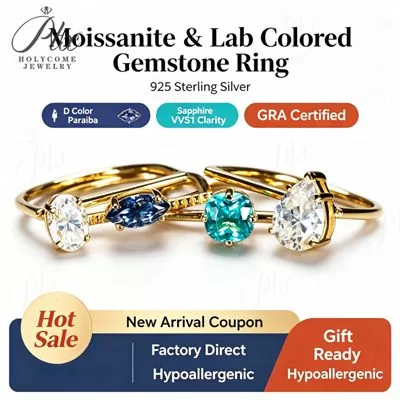
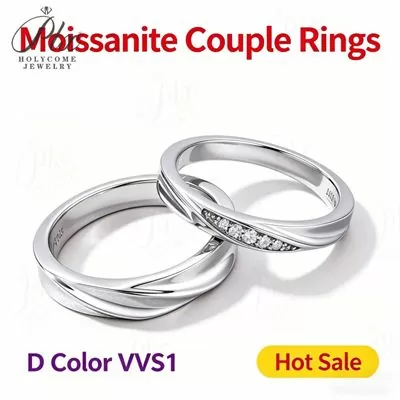
Pre-mounted wholesale rings arrive finished, polished, tagged, and ready to go under glass. The appeal is speed and simplicity.
If you are a newer store, an online retailer, or a boutique that does not run an in-house bench, mounted rings let you open a moissanite case in days rather than weeks. You do not need mounting inventory, you do not need a bench jeweler on payroll, and you can reorder a style that sells without coordinating two separate supply chains. Price per carat on the finished piece is higher, but the all-in cost of doing business can be lower when you factor in bench labor and mounting risk.
The trade-off is rigidity. When a customer wants a small tweak, you either say no or the ring becomes a special order. You also buy more SKUs, because every mount and every size is its own product. Our guide to wedding ring wholesale buying walks through how to handle that SKU sprawl.
The capital comparison retailers miss
The numbers buyers look at on a quote are usually per-piece price. The number that matters more is capital efficiency. A loose stone parcel ties up cash in a form that cannot be sold to a walk-in customer that afternoon. A mounted ring can. If your average turn time is short and your traffic is impulse-driven, mounted inventory turns capital faster even at a higher unit cost. If your average sale is a considered engagement purchase with a consultation, loose stones let you quote on demand without carrying every possible mount.
One practical rule: the more your store's identity is built on service and customization, the more loose stones make sense. The more your identity is built on curated ready-to-wear case jewelry, the more mounted rings make sense. Stores that try to do both often end up doing neither well on their first pass.
A hybrid approach that works
The most mature buyers run a hybrid. They keep a working selection of pre-mounted rings in the top three or four styles that sell in their market, and they buy a small parcel of loose stones in the shapes and carat weights that match those mounts. When a customer wants the standard version, the ring goes home that day. When a customer wants a tweak, the loose stone lets the bench offer a custom path without a six-week wait. This is the model that produces both a strong case presentation and a credible custom offer.
If you are building this inventory, cross-reference our notes on moissanite wholesale price per carat and how to sell moissanite on your sales floor. Together they cover the procurement and the conversion side of the same shelf.
Decide by your customer, not your ego
A store that leans too hard on loose stones looks like a workshop. A store that leans too hard on mounted rings looks like a catalog. Neither is bad; they are different businesses. Pick the model that matches how your customers actually buy, and plan your next order from there. You can always add the second model once the first one is profitable.
Authoritative References
For buyers who need to verify the technical and regulatory basis of this guide, the following independent institutions publish authoritative reference data:
- GIA Gem Encyclopedia - independent grading and identification reference for natural and lab-grown gems.
- Wikipedia: Moissanite - peer-reviewed background on moissanite chemistry, optics and history.