Moissanite
Men's Moissanite Rings and Wedding Bands Wholesale
Men's moissanite used to mean a tiny side-stone band; today's shoppers want black-rhodium signets, bezel-set solitaires, and channel-set stones that read rugged, not bridal.
For years, the men's side of a jewelry case meant plain tungsten bands and a scattering of black ceramic. That is changing fast. Couples now shop together, grooms research stones on their phones, and a growing number of men buy their own statement rings without a proposal attached. Moissanite has moved into this gap as the default diamond alternative for men who want a visible stone without the mined-diamond price. Wholesale buyers who ignore the men's category are leaving a fast-growing ticket on the table—and giving it to online retailers who already photograph these rings on male hands.
The silhouettes that actually sell
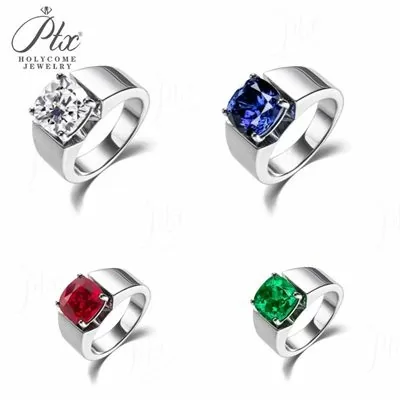
Four men's moissanite styles consistently move at retail. The first is the classic band with one bezel-set stone centered on a 6mm or 8mm shank—think a groom's wedding band that carries a little sparkle. The second is the three-stone channel band, usually two smaller stones flanking a center, popular with men who want more presence. The third is the signet or pinky ring with a moissanite center, often in black rhodium. The fourth is the modern "tiled" ring with a row of small stones across the top. The plain-bezel solitaire is the workhorse; the signet is the fashion piece that draws the younger self-purchasing customer.
Widths, profiles, and comfort fit
Men's bands run 6mm, 8mm, and occasionally 10mm. The 8mm width is the sweet spot for most buyers; 6mm reads slim on a larger hand, and 10mm is a niche statement. Comfort-fit interiors—rounded inside walls—are expected at this price point. A flat interior on a wide men's ring feels tight even when the numeric size is correct, because the wall of metal digs into the finger. When you source wholesale, confirm the ring is comfort-fit, not just a wide flat band. A ring that feels tight on a man trying it on will not be bought, even if the size is technically right.
Why bezel beats prong for men
Prong settings catch on tools, gloves, and door handles. A man who works with his hands will tear prongs off a solitaire in months. Bezel settings wrap the stone in a metal rim, which protects the edges and removes snag points. Channel settings are even more durable because the stones sit between two walls of metal. For men's moissanite, lead your display with bezel and channel, and keep prong solitaires as a fashion option for office workers, not construction workers. Say this distinction to customers; it shows expertise and prevents returns that come from buying the wrong lifestyle match.
Finishes and color
Brushed and matte finishes sell better than high polish for men's rings because they hide scratches. Black rhodium plating is the dominant finish in 2026—it reads modern, pairs with watches, and makes a colorless moissanite pop by contrast. Two-tone bands, with a silver shank and a gold center channel, are a smaller but loyal niche. Avoid rose gold for men's wholesale; the demand is thin and the returns are high. Stock brushed silver and black rhodium as your two defaults, and test one two-tone style per season to read local demand.
Sizing the men's range
Men's ring sizes run from 8 to 13, with 9 and 10 as the best sellers. Stock half steps between 8.5 and 11. Wide bands—8mm and up—fit tighter than narrow bands, so many men size up a half step when switching from a 4mm wedding band to an 8mm stone ring. Keep a plastic sizing mandrel in the store and always size the finger at the width the customer is buying, not at the width of a ring they already own. This one habit eliminates a surprising number of men's band returns.
Positioning the category on the floor
Do not tuck men's moissanite into a corner of the bridal case. Couple it with the women's moissanite engagement rings so the groom can try options while the bride talks settings. A small "his" tray next to the bridal wall lifts both tickets. Grooms who try on a ring during the same appointment are three times more likely to buy one than grooms who come back "later," and later never comes. For self-purchasing men, position a small unisex display near the watch counter; that customer walks in knowing what he wants and hates being steered to the bridal wall.
Gifting and self-purchase drivers
Men buy these rings for three reasons: the wedding band upgrade, the push present from a wife, and the self-purchased pinky or signet. The gifting customer is usually a woman shopping for her husband, and she wants a piece that reads masculine but not flashy. Stock one packaging option that suits male gifting—a simple rigid box, not a velvet jewelry pouch—and the ticket rises. The self-purchasing man walks in knowing roughly what he wants; he will not linger, but he will buy if the right width and finish are on the tray. Make sure your staff can size him at the counter without sending him to a fitting room.
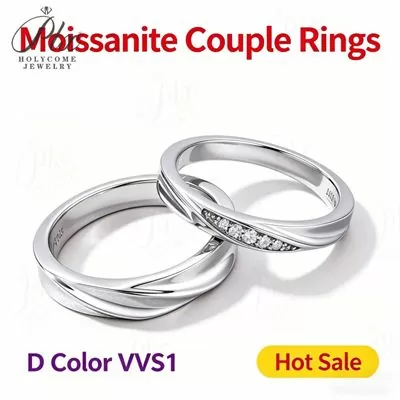
The men's moissanite customer is price-aware but quality-aware in equal measure. He will notice a loose stone or a thin band within a month. Source from a supplier who QC's prongs and bezel seats, and the category will become one of your steadiest repeat sellers—especially as couples increasingly choose matching wedding bands that both carry stone.
Authoritative References
For buyers who need to verify the technical and regulatory basis of this guide, the following independent institutions publish authoritative reference data:
- GIA Gem Encyclopedia - independent grading and identification reference for natural and lab-grown gems.
- Wikipedia: Moissanite - peer-reviewed background on moissanite chemistry, optics and history.