Moissanite
Stocking Moissanite: Round vs. Fancy Shapes for Retail
Round brilliant remains the anchor of any moissanite assortment, but fancy shapes now drive a surprising share of engagement-ring searches. Retailers who stock only rounds leave a real slice of demand on the table.
If you pulled the moissanite cases of a hundred independent jewelers this year, you would see the same pattern repeating. The top shelf is mostly round brilliant solitaires, because rounds are safe, recognizable, and match every setting style in a buyer's head. Walk the floor on a busy Saturday, though, and you will hear customers asking for ovals, cushions, and emerald cuts more often than they did five years ago. The shape question has become one of the biggest inventory decisions a moissanite buyer makes, and getting the mix wrong ties up cash in slow-moving stock.
Why round brilliant still pays the bills
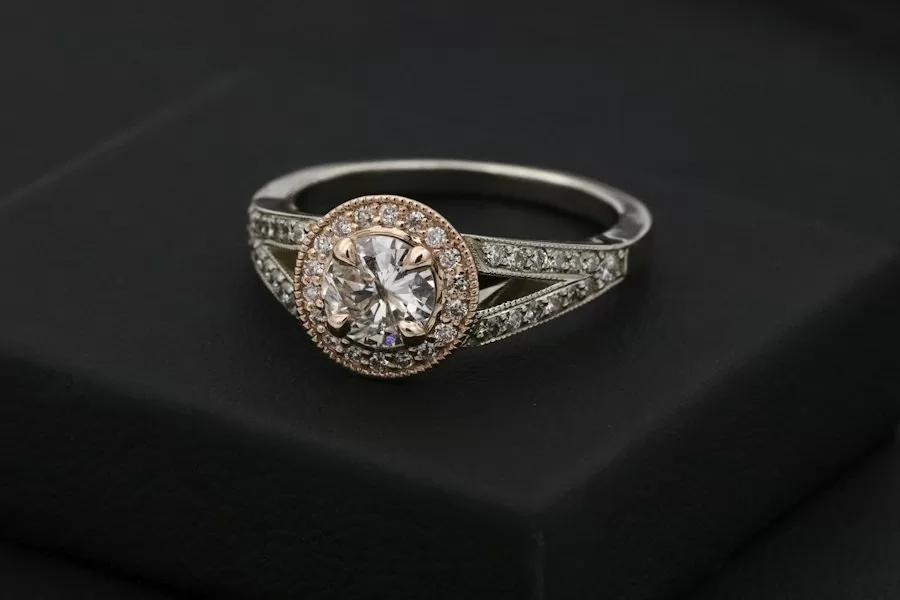
Round brilliant is the default for a reason. Its 58 facets are engineered to return the most light, which is exactly how moissanite shows off its characteristic sparkle. Rounds fit prong, bezel, and halo settings without modification, and customers already understand what a round engagement ring should look like. For a new retailer testing the category, starting with rounds minimizes risk. They reorder fastest, photograph the most consistently, and work across every price tier from a 6.5mm stud pair up to a 9mm solitaire.
If you are deciding where to begin, our guide to moissanite stud earrings shows the same logic: round stones dominate that category because they sit universally in standard settings. Build your round core first, then layer in other shapes.
The fancy shapes customers are actually asking for
Fancy shapes are not a niche anymore. Three shapes carry most of the growth.
- Oval: Oval cuts look larger than a round of the same carat weight because the eye follows the elongated outline. They photograph beautifully, which matters heavily for social-selling jewelers.
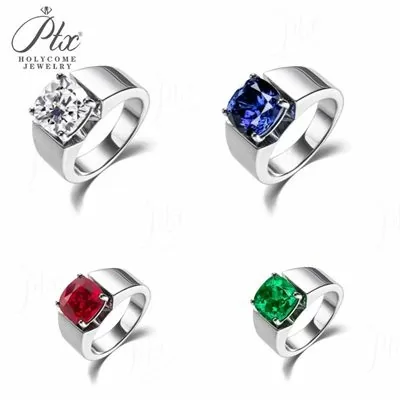
- Cushion: Cushion cuts blend soft corners with strong sparkle and pair naturally with vintage-inspired and halo settings. They skew slightly warmer, which works well with rose gold.
- Emerald and radiant: Emerald cut shows clarity and a long, stepped facet pattern; radiant cuts combine that shape with brilliant sparkle. Both appeal to buyers who want something visibly different from a round.
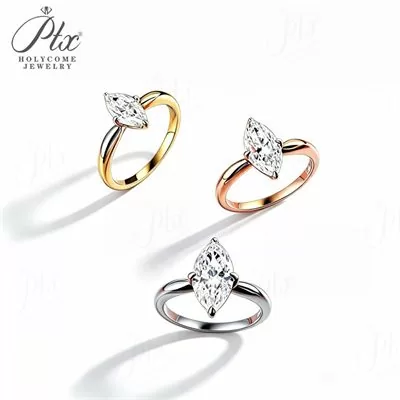
Marquise, pear, and heart shapes exist, but they move in small seasonal bursts rather than steady demand. Most small retailers are better off ordering those on a made-to-order basis than carrying depth in each one.
How to balance the assortment
A practical starting mix for a boutique-sized buyer is roughly 60 percent round, 25 percent oval and cushion combined, and 15 percent spread across emerald, radiant, and occasional specialty shapes. That keeps your fast movers in stock while giving customers the variety they now expect. Match the mix to your local customer base: a town with lots of vintage bridal shops will lean cushion and oval, while a modern urban boutique can push more emerald and radiant.
Size matters as much as shape. Stick to the millimeter sizes that settings are built around: 5mm, 6.5mm, 8mm, and 9mm for rounds, with ovals commonly stocked in 7x5mm and 9x7mm. Buying every millimeter increment ties up cash. Our guide to size assortment planning explains how to choose which sizes deserve depth versus a single sample.
Mounted stones versus loose parcels
Another decision is whether you stock pre-mounted rings or keep loose stones to set on demand. Mounted rings sell faster in a walk-in store, but loose stones let you offer any shape in any setting without holding finished inventory for every combination. Read through our breakdown of loose moissanite stones versus mounted rings before you commit. Many retailers land on a hybrid: a small wall of mounted rounds and ovals for immediate sales, plus a tray of loose fancy shapes for custom orders.
Avoid common shape-mistakes
The most frequent error we see is overbuying one trendy shape in a single season. A shape that dominates TikTok one spring can slow by the next winter, and finished rings cannot easily be reshaped into something else. The second error is ignoring cut quality. Fancy moissanite cuts are more sensitive to proportion than rounds, so ask your supplier for a lookbook or sample before ordering depth. Reference our notes on moissanite clarity grading when you compare samples, because clarity stands out more in open emerald cuts than in a sparkling round.
Photograph each shape honestly
Fancy shapes photograph differently than rounds, and customers notice. Oval and cushion stones read larger in person than a round of the same millimeter size, so your website photos should reflect that rather than exaggerating it. Emerald cuts show more table and fewer sparkles, which some shoppers mistake for "less brilliant." Photograph them in both bright and soft light so customers understand what they are getting. Honest imagery cuts down on the online return rate that plagues shape-dependent products, and it sets you apart from listings that use misleading angles.
Plan the reorder cycle
Treat your round stock as a fast-reorder line and your fancy shapes as a watch line. Track which shapes actually sell in your market for two seasons before deepening them. Holycome keeps the standard millimeters in ready stock and can supply the less common shapes in small batches, so you can test demand without committing to a huge minimum. Start small, watch your sell-through, and let your own customers tell you which shape deserves the next order.
Authoritative References
For buyers who need to verify the technical and regulatory basis of this guide, the following independent institutions publish authoritative reference data:
- GIA Gem Encyclopedia - independent grading and identification reference for natural and lab-grown gems.
- Wikipedia: Moissanite - peer-reviewed background on moissanite chemistry, optics and history.