Moissanite
Moissanite Settings: 14K Gold vs 925 Sterling Silver Wholesale
Moissanite's value proposition depends on pairing it with the right setting metal. Sterling silver makes it accessible; 14K gold makes it heirloom. Here is how to choose which to stock.
Buyers new to moissanite often fixate entirely on the stone. How big is it? What color? Does it look real? Those questions matter, but the metal setting under the stone decides more about price, longevity, and customer satisfaction than buyers expect. A beautiful moissanite stone set in a flimsy ring feels cheap the moment a customer picks it up. The same stone set in a well-made metal reads as a serious piece of jewelry. Wholesale buyers need to understand the trade-off between 14K gold and 925 sterling silver settings, and which one belongs in which part of their case.
Why sterling silver is the natural entry point
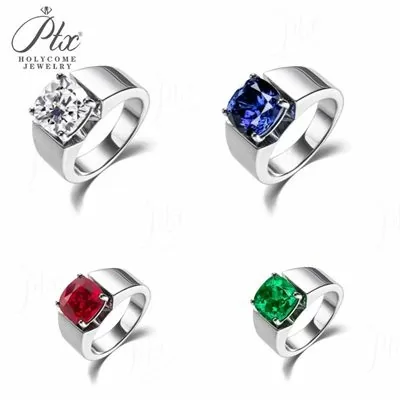
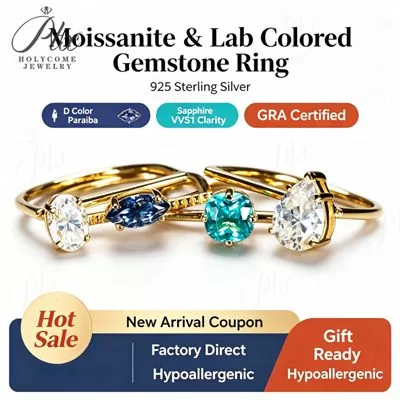
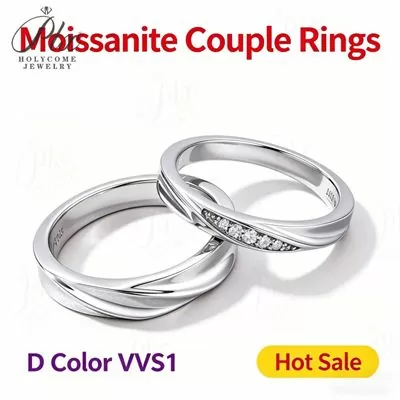
Most of the moissanite sold in the value-to-mid price range sits in rhodium-plated 925 sterling silver. That is not a compromise. Silver takes a high polish, holds prongs well for everyday wear, and accepts rhodium plating that mimics white gold almost exactly. Because the moissanite stone itself is affordable, pairing it with silver keeps the finished ring at a price point where customers buy on impulse or as a first engagement ring without financing.
Rhodium plating does two jobs: it makes the silver look bright white, and it adds a thin layer that resists tarnish. Over months of wear, plating wears thinner on high-contact surfaces, and the ring benefits from replating. This is normal, not a defect, and we explain the broader plating landscape in silver ring plating options. Staff should set expectations that silver settings need occasional care, just as we cover in silver customer care.
When 14K gold earns its place
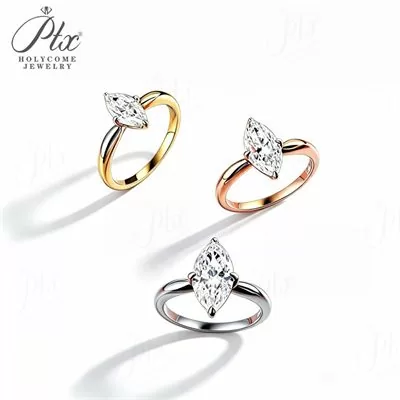
Move up to 14K gold and the conversation changes. Gold settings are stronger in thin prongs, they do not tarnish, and they age gracefully. Yellow gold pairs beautifully with warmer moissanite, while white gold gives the classic diamond look without the mined price tag. Customers who plan to wear the ring daily for years, who want an heirloom, or who dislike the idea of replating, will step up to 14K. The margin on a gold-set moissanite piece is typically healthier too, because customers who choose gold are less price-comparison driven.
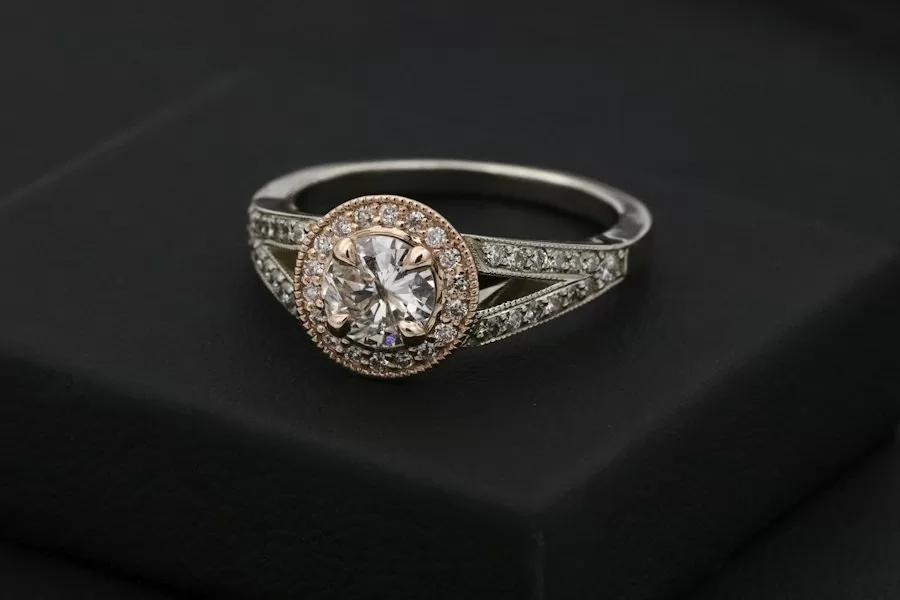
Rose gold, in particular, has been a strong companion to moissanite. The warm metal softens the stone's cool sparkle and reads distinctly bridal. If you are building a bridal wall, include at least one rose-gold-set option alongside white.
Match the metal to the customer segment
You do not have to pick one. Most successful retailers stock both, but position them differently.
- Silver-set moissanite: first rings, promise rings, fashion solitaires, studs, and everyday pendants. Strong volume, accessible price.
- Gold-set moissanite: engagement rings, anniversary gifts, customers who want a permanent piece without the mined-stone price.
This two-tier approach also protects you from the customer who walks in wanting a "real ring" but cannot afford a mined diamond. You can honestly offer them a 14K gold setting with moissanite and feel confident about the sale.
Allergies and nickel compliance
Whatever metal you choose, verify it is nickel-safe. Sterling silver itself is usually well tolerated, but the alloy mix and any solder used in production can introduce nickel in cheaper factories. For customers with sensitive skin, a sterling silver or solid gold setting is far safer than plated base metal. Our guide on nickel-free hypoallergenic jewelry explains the compliance details that prevent post-purchase complaints. A ring that turns a customer's finger green will come back, regardless of how good the stone looks.
Price the two tiers clearly
Customers choose the metal tier themselves when the difference is framed simply. A silver-set moissanite solitaire and a gold-set version of the same stone should sit side by side in the case, with a clear price gap that reflects the metal upgrade. Most shoppers understand that gold costs more than silver, so the price difference feels fair rather than arbitrary. Staff can then ask which lifestyle the buyer lives: everyday and budget-friendly points to silver; heirloom and daily-wear durability points to gold. Presenting both on equal footing, rather than hiding the gold version, lifts your average sale without pushy tactics.
The hidden factor: prong strength
Finally, look at the prongs. A thick, well-formed six-prong head holds a moissanite stone securely for years. Thin, spindly prongs loosen and drop stones, and a lost stone is the most expensive complaint in this category. When you approve samples, examine the prong tips with a loupe. Good prongs are a sign of a serious factory, and that matters more than the metal color. Build your assortment around settings you would trust on your own hand, and the returns will take care of themselves.
Authoritative References
For buyers who need to verify the technical and regulatory basis of this guide, the following independent institutions publish authoritative reference data:
- GIA Gem Encyclopedia - independent grading and identification reference for natural and lab-grown gems.
- Wikipedia: Moissanite - peer-reviewed background on moissanite chemistry, optics and history.