Moissanite
Side Stones and Halos: Buying Moissanite Accent Settings Wholesale
Halo and three-stone settings make a center moissanite look bigger on a small budget. But mismatched accents quietly kill the look — here is how to buy them right.
A center moissanite can sell on its own, but halo and side-stone settings are where a boutique's bridal margin gets interesting. A ring wrapped in a circle of small moissanite looks larger and more luxurious than a bare solitaire of the same center size, and the accents cost relatively little to add. Buy the accents well and the setting reads high-end; buy them carelessly and the whole ring looks off.
Why halos and accents work on moissanite
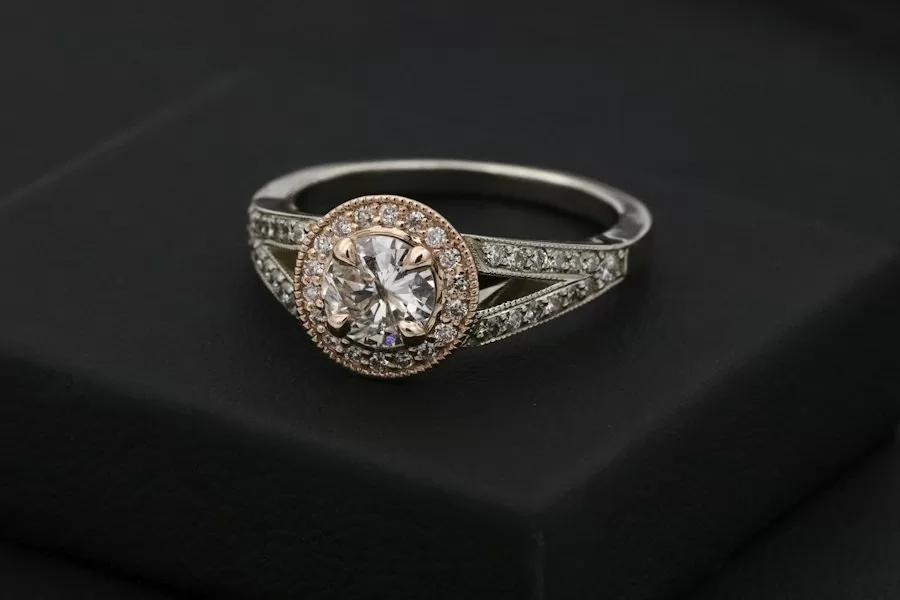
Halos do two jobs at once. They frame the center stone so it reads bigger, and they add sparkle from every angle. Three-stone and side-stone settings do similar work, broadening the look of the ring. Because moissanite is affordable even in small sizes, you can fill a halo with genuinely bright, matched stones instead of faint, gray chips — the difference is visible the moment the ring catches light. This is the same setting logic your staff already rely on in the moissanite engagement settings you stock.
Match the accents to the center stone
The single biggest buyer mistake is mismatched stones. A white, high-grade center moissanite surrounded by grayish, lower-grade accents looks disjointed, and customers notice even if they cannot name why. When you order, confirm with your supplier that the center stone and the accents come from a consistent color grade, aligned with how you normally select moissanite color, and that the small stones are clean enough that they do not show dark inclusions at arm's length. Batch-matched parcels avoid the patchwork look.
Choose settings that protect small stones
Accent stones are smaller and more exposed than a center gem, so setting construction matters. Micro-pavé looks dense and brilliant, but tiny beaded settings can shed stones under daily wear. Shared-prong channels and bezel-set accents are sturdier for rings that will be worn every day. For bridal pieces sold as everyday wear, lean toward the more protected settings; reserve delicate pavé for dress or occasional rings. Ask suppliers about their lost-stone rate on accent settings — a high return on repairs quietly erodes the margin advantage these pieces should give you.
Consider the center stone you will use
Buy settings with an eye toward whether you will set your own loose stones or sell mounted pieces. A halo setting with a large center seat suits shoppers who want a statement look; a slim three-stone works for understated brides. If you mix loose and mounted inventory, keep the setting styles flexible so customers can trade up the center stone later — that upgrade path is itself a repeat sale.
Price the halo as a feature
Because accents add perceived size and drama at low incremental cost, halo settings support a healthier retail price than a plain solitaire. Merchandise them as the "look bigger for your budget" option, and display them next to bare solitaires so customers can compare the visual difference. Staff who point out the size comparison out loud close more of these settings than those who simply list them by carat weight.
Do not overcrowd the center stone
A halo should frame the center, not compete with it. An oversized, busy halo on a small center stone can look gaudy and age the piece. As a buyer, favor settings where the halo width stays proportional to the center — a thin, elegant ring of small stones reads modern, while a heavy double halo reads dated. When in doubt, photograph the setting next to a plain solitaire and judge which one the customer would actually wear daily. This proportional eye is the same judgment that separates strong engagement settings from forgettable ones.
Plan for cleaning and prong checks
Accent settings trap lotion and grime between the small stones faster than a solitaire, which is why halo rings look dull sooner. Build the care message into the sale: a quick warm-soapy clean under the stones restores the sparkle, and a free prong check at the counter keeps the accents secure. This ties into the same care-education approach that reduces returns across your moissanite line. A halo that stays bright and intact is a halo that earns referrals.
When you buy these settings, ask the supplier for photos of the accents up close, not just the hero shot. A setting looks gorgeous from a distance but falls apart when the small stones are mismatched or loosely set. Insist on batch consistency, confirm the stones are secured for daily wear, and price the finished ring so the perceived size does the selling. That combination is what turns a halo setting into one of your strongest repeat bridal sellers.
Side stones and halos are not decoration for decoration's sake. When the accents are matched, the setting is sturdy, and the price is framed around perceived size, they turn a modest center moissanite into a ring that punches well above its cost — which is exactly the story a value-driven bridal customer wants to hear. Buy matched batches, protect the small stones, and let the halo do the persuading.
Authoritative References
For buyers who need to verify the technical and regulatory basis of this guide, the following independent institutions publish authoritative reference data:
- GIA Gem Encyclopedia - independent grading and identification reference for natural and lab-grown gems.
- Wikipedia: Moissanite - peer-reviewed background on moissanite chemistry, optics and history.