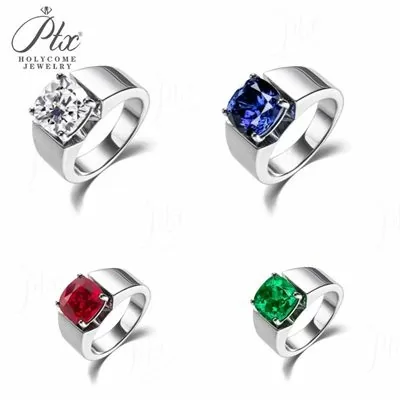
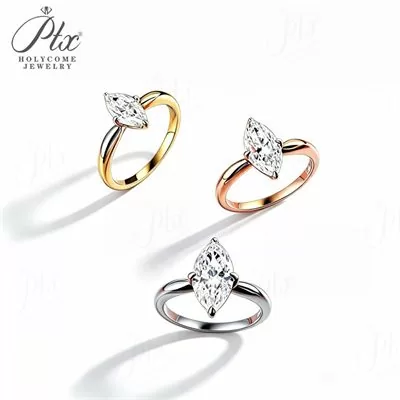
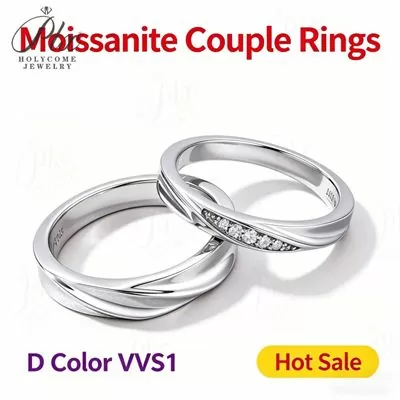
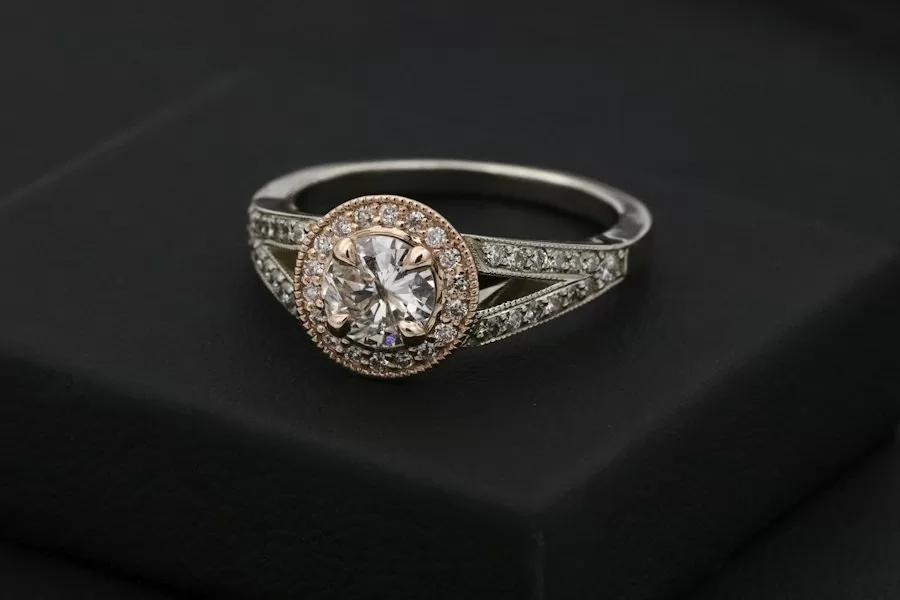
Moissanite
Moissanite Hardness and Durability: Answers Your Staff Can Give
Customers ask whether moissanite scratches and whether it holds up to daily wear. Here are the confident, accurate answers for your floor team.
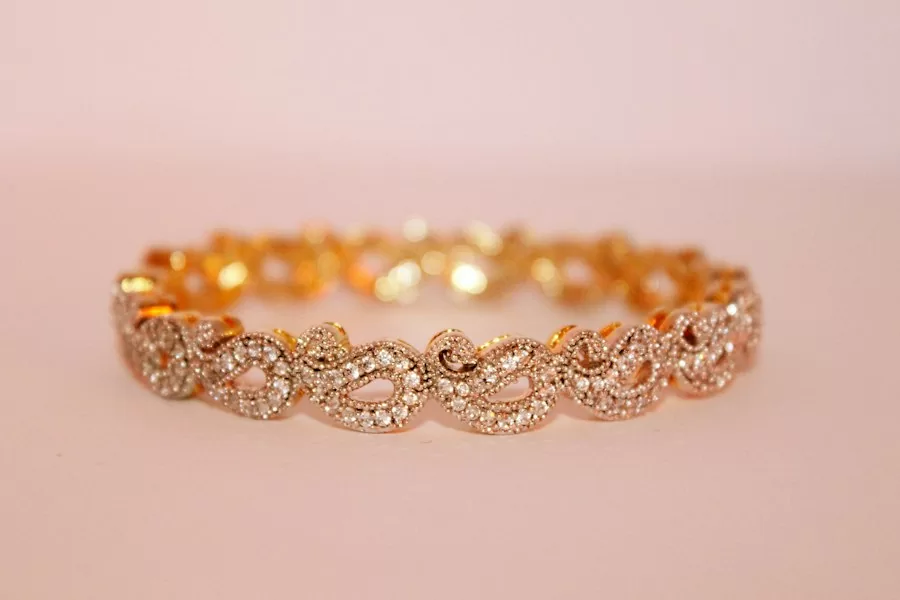
A customer picks up a moissanite ring, turns it toward the light, and asks the same question every floor team hears: "Is this going to scratch?" The answer matters, because a confident, accurate response closes the sale and prevents returns later. Moissanite is one of the most durable consumer gemstones available, but only if staff can explain why in plain language. Here are the answers to the questions shoppers actually ask.
How hard is moissanite, really?
Moissanite measures 9.25 on the Mohs scale of mineral hardness. For context, diamond is 10, ruby and sapphire are 9, and most other white stones sold as diamond simulants sit lower. That puts moissanite second only to diamond among commonly used jewelry stones. It is hard enough to resist scratching from nearly everything a person encounters in daily life: keys, counters, handbags, and furniture finishes will not mark the surface.
The practical implication is that moissanite is suitable for an engagement ring or wedding band worn every single day. It does not need to be treated like a delicate occasional piece. This is a meaningful selling point against softer white stones, which cloud and scratch with regular wear.
Does it chip?
All hard stones can chip if struck sharply at the right angle, and moissanite is no exception. The good news for retailers is that moissanite has strong thermal stability and is not sensitive to temperature shocks the way some stones are. A ring knocked against a hard surface can chip a girdle corner on any gemstone, but this is an accident scenario, not normal wear. The right setting helps: bezel and channel settings shield the edges, while a raised prong setting is more exposed. When a customer tells you she works with her hands, recommend a more protected setting rather than talking her out of the stone.
Will it cloud or turn cloudy over time?
Moissanite itself does not cloud, fade, or change color. What customers sometimes mistake for clouding is a buildup of lotion, soap residue, and skin oils on the surface and inside the setting. Because moissanite is so brilliant, a little grime shows up quickly. The fix is trivial: warm water, a drop of mild dish soap, and a soft brush. Handing a customer a small polishing cloth at purchase prevents the "it got cloudy" complaint before it happens.
How does it compare in daily wear to other stones?
A useful comparison for the floor: moissanite is more durable than cubic zirconia, which scratches and dulls within months of daily wear, and more durable than white sapphire, which is softer and develops a worn look. It approaches diamond in everyday toughness at a fraction of the price. For a customer who wants the look of a white stone without the mined-diamond budget, moissanite is the most wearable option available.
The care instructions to hand over
Give customers a short, honest care card: remove the ring before heavy manual work or gym lifting, avoid harsh chemicals and chlorine, and clean it monthly with soap and water. Store it separately from harder or rougher pieces to avoid surface friction. These instructions are the same as for fine jewelry, and they signal that you are selling a real gemstone, not a fashion trinket.
What about a diamond tester?
Some shoppers have heard that moissanite trips a standard diamond tester, and they ask about it directly. Honest staff explain that basic testers are designed for diamond and will often react to moissanite because of its thermal properties, which is why retailers and graders use multi-stone testers that distinguish the two. The answer to a worried customer is simple: a reputable seller identifies the stone clearly as moissanite, and anyone in the trade has the tools to confirm it. This conversation is an opportunity, not an embarrassment, because it shows you are transparent about what you sell.
Set realistic expectations up front
The durability complaints that reach retailers almost always come from an unmet expectation rather than a defective stone. A customer who was told moissanite is "just like a diamond" may be surprised by its slightly different fire. A customer who was told it is "unbreakable" may worry when a prong needs tightening. Frame it accurately: extremely hard, brilliant, daily-wear durable, and cared for with the same common-sense rules as any fine jewelry. That framing prevents the majority of post-sale questions before they start.
When staff can answer durability questions confidently, moissanite stops being a "cheaper diamond" and becomes a sensible, modern choice. Train the team on these points once, and watch hesitation drop. Retailers building a moissanite floor program can lean on loose stone and mounting options and pair them with the settings that best protect the stone for active buyers.
Authoritative References
For buyers who need to verify the technical and regulatory basis of this guide, the following independent institutions publish authoritative reference data:
- GIA Gem Encyclopedia - independent grading and identification reference for natural and lab-grown gems.
- Wikipedia: Moissanite - peer-reviewed background on moissanite chemistry, optics and history.