Moissanite
Moissanite vs. White Sapphire: How Retailers Should Position Both
Customers comparing white stones need honest positioning. Here is the side-by-side retailers can use on the floor.
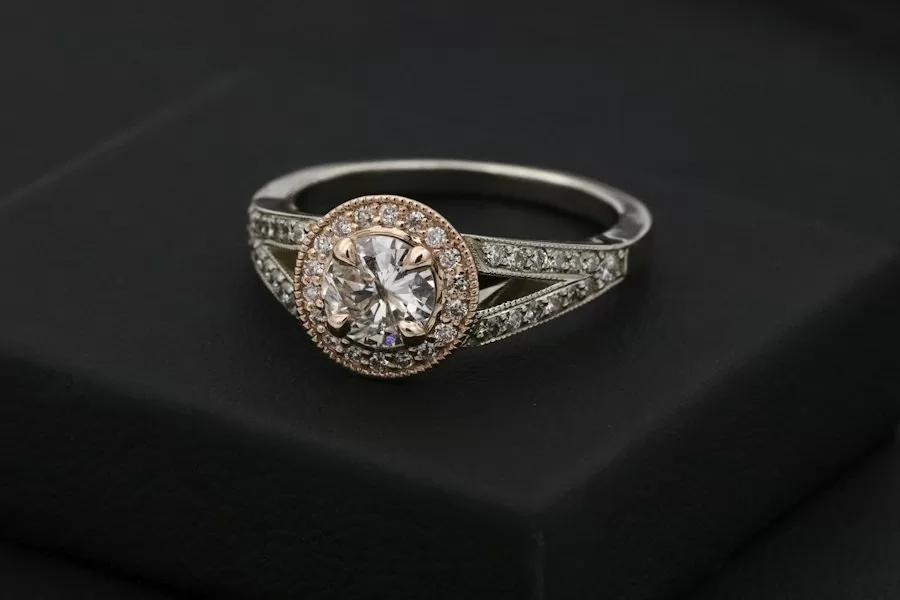
A shopper stands at the case, deciding between two white stones that look similar at arm's length. One is moissanite, the other white sapphire. To an untrained eye they both read as a bright, clear center stone. To the customer, the difference in price is obvious, and she wants to know what she is actually choosing. Retailers who can explain the two honestly win trust, and they also avoid returns from buyers who picked the wrong stone for their lifestyle.
Brilliance and look
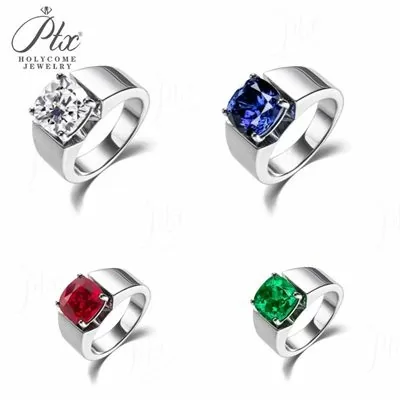
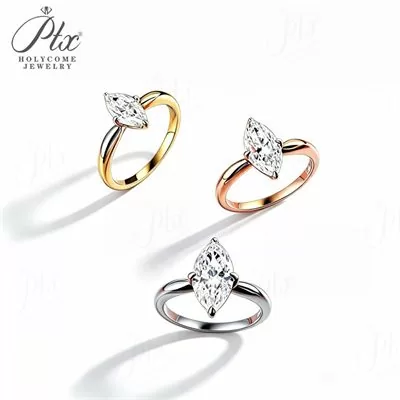
This is the most visible difference. Moissanite is extremely refractive, meaning it bends light strongly and throws off a lively, often rainbow-tinged sparkle. Under store lights it looks brighter and more fiery than almost any other white gem. White sapphire, by contrast, is quieter. It has a softer, more subdued brilliance that reads as calm and minimal. Customers who want a stone that catches the light and announces itself tend to prefer moissanite; customers who want an understated, "quiet luxury" look often lean to white sapphire.
Durability and hardness
Both stones are hard enough for daily wear, but they sit at different points. White sapphire scores 9 on the Mohs scale. Moissanite scores 9.25. In practice, both survive a lifetime of ring wear without scratching from ordinary contact. Where they differ is in long-term appearance: white sapphire, being slightly softer and less brilliant to begin with, can develop a subtly worn look over years of abrasion, while moissanite retains its fire. For an everyday engagement ring that will never be taken off, moissanite holds its appearance longer.
Color and clarity
Good-quality moissanite is near-colorless and optically clean, which is why it is often mistaken for diamond. White sapphire is naturally colorless but frequently carries subtle inclusions or a faint gray tone, especially in larger sizes. A small white sapphire can look stunningly bright; a two-carat white sapphire may show a slightly milky or gray face-up appearance. Customers comparing larger center stones should be shown actual stones under the store lights, not just catalog claims.
Price and value
White sapphire is a natural, mined stone, and its price reflects that. Moissanite is lab-grown and substantially more affordable per carat, which means a buyer can choose a visibly larger moissanite stone for the same budget as a modest white sapphire. For a customer whose priority is maximum size and brilliance at a controlled price, moissanite is the rational choice. For a customer who specifically wants a natural, earth-mined stone, white sapphire gives that origin story without diamond pricing.
How to position both on the floor
The best retailers do not force one answer. They ask what matters most: budget, size, brilliance, or natural origin. A customer who says "I want it to look huge and sparkle" gets steered to moissanite. A customer who says "I want a natural stone and a quieter look" gets steered to white sapphire. Honest positioning builds a reputation that sends the same buyer back for gifts, bands, and repairs.
The origin question
Some customers arrive specifically wanting a natural, earth-mined stone and are uneasy buying anything lab-grown. For those shoppers, white sapphire is a thoughtful middle path: it is genuine, natural, and mined, but it costs a fraction of a diamond. Others arrive specifically wanting a conflict-free, modern, value-oriented stone, and moissanite fits that language perfectly. Your job is to identify which story the customer cares about, rather than assuming everyone wants the cheapest bright stone. Selling on the right emotional fit produces far fewer returns than selling on price alone.
Show, don't tell
Words cannot carry this comparison. The moment of truth is laying a moissanite and a white sapphire in matching settings under the same light and letting the customer look. Most are surprised by how different the sparkle feels in person. Keep a permanent two-stone display tray on the counter, even if you only stock a few white sapphire pieces. It becomes a conversation starter, and customers who come in "just looking" often leave with a clearer idea of what they actually want.
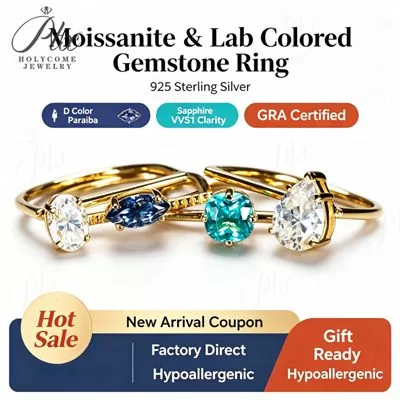
Stocking both gives you flexibility. Moissanite moves on price and sparkle; white sapphire moves on authenticity and subtlety. Train your team to show them in matching settings under identical light so the comparison is fair. Wholesale buyers can source a strong moissanite range and pair it with settings that suit either stone, then let the customer's priorities decide. When you stop treating one as the "cheap version" of the other and start treating them as two distinct choices, both sell better, and the customer leaves feeling understood rather than upsold. That is the positioning that brings her back for the next purchase, and the one her friends will also happily hear about.
Authoritative References
For buyers who need to verify the technical and regulatory basis of this guide, the following independent institutions publish authoritative reference data:
- GIA Gem Encyclopedia - independent grading and identification reference for natural and lab-grown gems.
- Wikipedia: Moissanite - peer-reviewed background on moissanite chemistry, optics and history.