Product Guides
Wholesale Jewelry Photography: The 5 Shots That Sell the SKU
The product had not changed; the photos had. This guide lists the five shots, the lighting setup and the supplier brief that cut returns and lifted conversion.
A small boutique in Portland doubled its online conversion after re-shooting 40 SKUs on white. The product had not changed. The photos had. Wholesale jewelry buyers do not get to send a photographer to every supplier, but the product shots you ask a supplier for (or shoot yourself on a $200 setup) decide whether the SKU sells or sits in a drawer.
The five shots every SKU needs
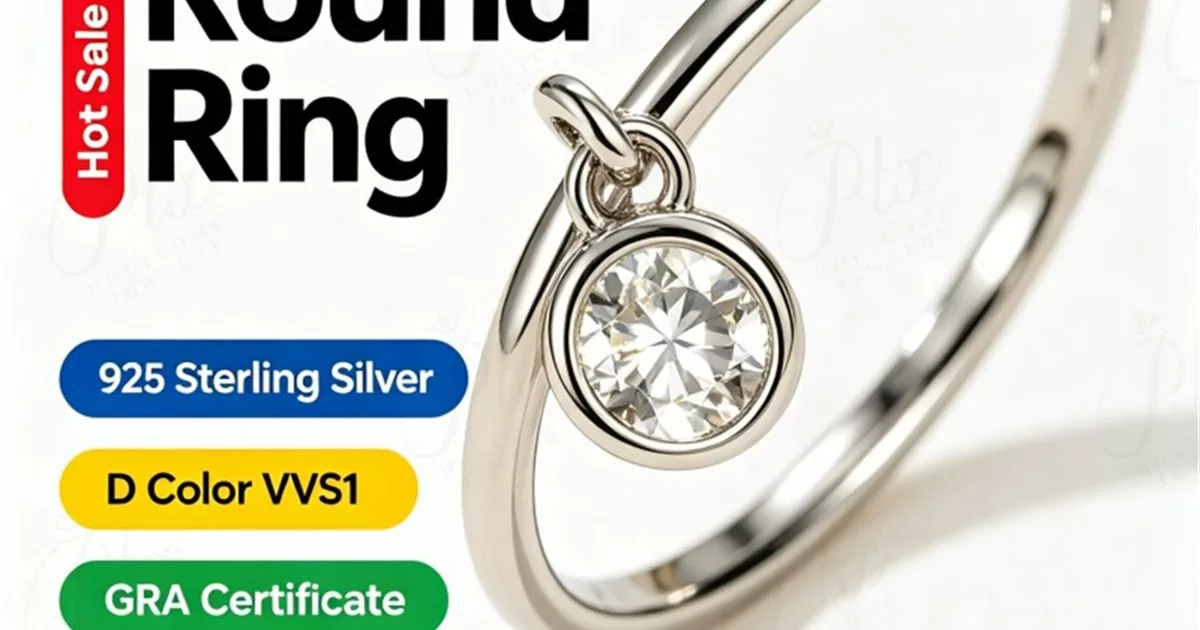
(1) Hero on pure white, front-on, with the stone in sharp focus. (2) Angle at 45 degrees to show profile and setting depth. (3) Side profile to show band thickness. (4) Detail macro of the stone facet and the inside stamp. (5) Lifestyle / on-hand shot for scale. For earrings add a back-on shot; for rings add a finger shot. Internal read: reduce jewelry ecommerce returns with sizing — most returns come from missing scale, not missing beauty shots.
Lighting: what actually matters
Jewelry is small, reflective and contrast-heavy. You want two softboxes at 45 degrees, a third fill light from above, and a black card on the table to kill hot spots. A $120 dual-softbox kit beats a $2,000 single studio strobe for silver and moissanite work. Phone cameras (iPhone 14+ / Pixel 8+) are good enough at 1x; use a 60mm equivalent lens or macro clip-on for detail shots. Skip the ring light — it puts a donut reflection on every stone.
Backgrounds: white vs lifestyle vs editorial
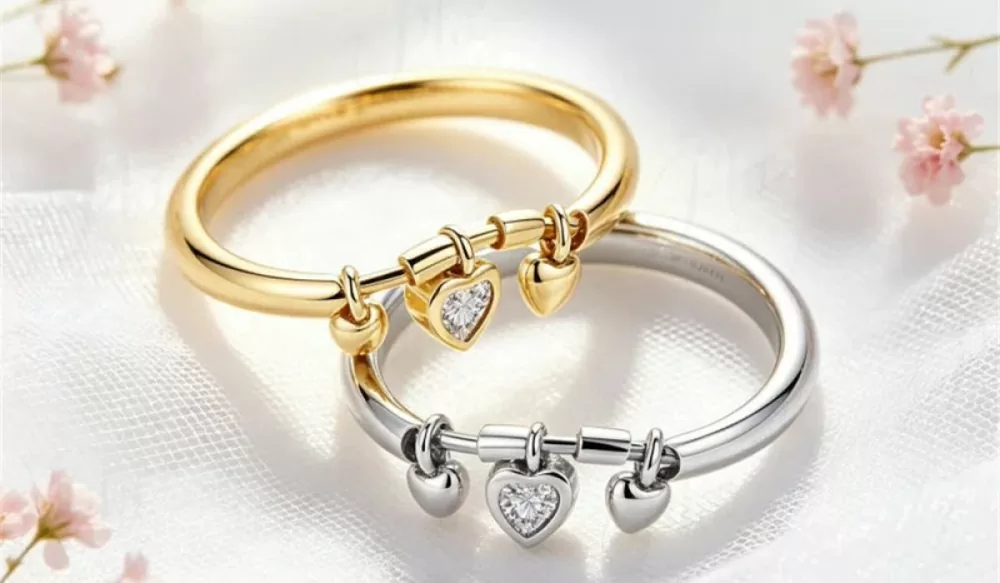
White background for catalog, PIM and Amazon-style listings. Lifestyle (on hand, on neck, on ear) for your own site and Instagram. Editorial (textured surface, mood lighting) for lookbooks and email. Do not mix them on the same SKU page — the white shot should be the first image, the lifestyle shot the second, never the reverse. See wholesale catalog SKU structure for how to wire images to SKUs.
Color accuracy: the silent killer
A silver ring photographed under warm white balance reads as brass. A moissanite under LED with a green tint looks grey. Shoot a color card (X-Rite ColorChecker Passport, ~USD 90) in the first frame of every session and balance in post. Ask suppliers for RAW files, not JPEGs — JPEGs are already graded and often oversaturated. For stone color reference, the GIA color scale is the baseline.
What to ask your supplier for
Three things in writing: (1) RAW or high-res JPEG (3000px+ on the long edge), (2) shots on pure white, not on black velvet or a marble slab, (3) a scale reference coin or ruler in the macro shot. Most Chinese factories have a basic product-shot desk; ask whether the price includes images. If they charge USD 5–15 per SKU, that is normal; if they refuse entirely, plan to shoot on arrival.
File naming and SKU wiring
Name files by SKU, not by "ring1.jpg". A clean convention is SKU_View_Color.jpg — for example SIL-R-042_white_hero.jpg, SIL-R-042_angle.jpg, SIL-R-042_detail.jpg. This lets your PIM or Shopify CSV pull the right image by SKU without manual mapping. See private label packaging, tags and boxes for how the same SKU convention flows through to hangtags and packaging.
Retouching budget: what to outsource
Basic cleanup (background, exposure, dust) takes 3–5 minutes per image at USD 1–2 per image through a retouching service. Do not do it yourself on a 200-SKU catalog. Keep the original RAW, the retouched TIFF, and the web JPEG in three folders. The web JPEG should be 2000px on the long edge, sRGB, under 200KB for fast mobile loads. Run a 10-image test on a real phone connection before uploading the full catalog — a page that takes 5 seconds to load on wifi can quietly lose 40% of mobile visitors before they even see the first photo.
FAQ
Do I need a macro lens?
For detail shots of facets and stamps, yes — a USD 80–150 clip-on macro for a phone, or a 60mm macro on a camera. The hero and angle shots work fine with a standard lens.
How many photos per SKU should I request?
Five minimum (white, angle, profile, detail, lifestyle). Earrings add a back shot; pendants add a chain-length shot.
Can I use supplier photos directly on my store?
Yes, if you have the rights in writing. Most suppliers permit white-background commercial use, but check before you upload — the same photo may be on 20 other stores.
What retouching is allowed?
Color balance, exposure, background cleanup. Do not brighten a stone to change its grade, and do not remove visible flaws. The FTC Jewelers' Guide (16 CFR Part 23) treats misleading photography as a deceptive practice.
HOLYCOME ships every wholesale order with a matching 5-shot white-background image set at 3000px+, plus a macro of the stamp and stone. Ask for the current image pack on the sample order so you can list on day one.