Supplier Vetting
How to Audit a Chinese Jewelry Factory Before Your First Order
Fast WeChat replies are not a factory. Here is the document gate, video-audit walk, sample protocol and red-flag list for vetting a Chinese jewelry supplier before your first PO.
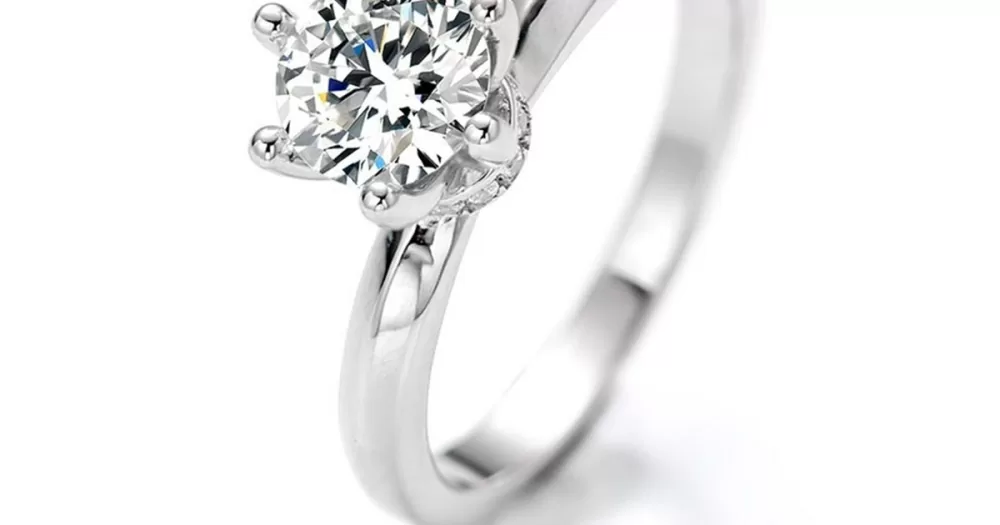
A 300-piece private-label order sits on a Guangzhou workbench. You found the supplier on a B2B directory, the quote looked 22% below your current vendor, and the WeChat replies are fast. Fast replies from a showroom team are not the same as a factory that can actually produce your karat-stamped line at repeatable quality. Before you wire a cent, you need evidence, not screenshots.
Treat the audit as a document gate, not a factory tour
Start with the paperwork a real manufacturer can produce in 48 hours: business licence with a manufacturing (not trading) scope, import-export code, VAT registration, and the product test reports matching your category. Ask for three references of similar-sized buyers — and actually call or message them. A trading company will hand you a showroom address dressed up as a production floor; a factory will send short walk-around videos of the polishing, plating and casting rooms with live order racks visible. Compare the company name on the business licence against the name on your proforma invoice and bank account. Mismatches are the single most common red flag we see.
What to measure on a video audit
Do not rely on a scheduled, staged tour. Ask for a same-day video call and walk the camera through: (1) the casting or stamping floor — count presses or casting machines and match them to claimed capacity; (2) the plating line — look for a fume extraction system and dedicated baths, because backyard plating cannot pass FTC 16 CFR Part 23-adjacent finish requirements or EU nickel limits; (3) the QC bench — ask to see the karat stamp dies, calipers, electronic scales and a batch of stamped serial numbers. Capacity math: a line producing 2,000 pieces/day cannot serve 40 active wholesale accounts at 500-piece reorders each month without subcontracting. If the math does not close, ask who subcontracts.
Golden samples and the price ladder
Place a paid sample order — USD 150-400 is normal — and require golden samples signed by both sides before bulk production. Photograph every stone, stamp position and finish at 3x zoom. Then negotiate the MOQ terms that small buyers can actually work with; a supplier willing to run a 100-piece trial will usually also run your private-label tags and packaging on the same line. Before production starts, confirm how you will pay: read our comparison of TT, escrow and letter-of-credit payment terms so the deposit structure matches the factory's real risk.
Common audit traps
Watch for: one showroom for five different brand-name sales accounts; quotes that mysteriously drop 15% after a "factory manager" call; refusal to share the plating bath chemical list; and trade-show brochures from 2019 as the company's only history. If you are sourcing moissanite specifically, add a gemstone layer — see how to verify a moissanite supplier is a real factory, not a trader for the lab-test and stone-origin checks. And remember: even a clean audit does not waive your customs obligations; the classification work in HS codes and tariffs for importing silver jewelry into the US and EU is your own job, not the supplier's.
What to spend on audit before your first USD 5,000 order
Budget the audit explicitly: licence documents are free, a same-day video call is free, a paid sample order runs USD 150-400, and a third-party pre-shipment inspection runs USD 150-250. Total gate cost on a USD 5,000 PO is roughly USD 400-650, or 8-13% of order value. That sounds steep until you compare it with the alternative: a wrong first supplier costs two to three months of launch time, a re-tooled design, and often a second sample round. We treat the audit gate as a launch cost, not an negotiation expense, and we advise first-time buyers to spend it on two competing factories rather than one — the comparison itself teaches what a real quote looks like.
FAQ
Can a first-time buyer realistically audit a factory remotely?
Yes, at the level that matters. Same-day video calls, licence documents, three buyer references, one paid sample, and one third-party QC report on the sample usually separate real factories from traders with about 90% accuracy. On-site audits make sense only after USD 20k+ in annual spend.
What is a realistic sample-order budget?
USD 150-400 per SKU including DHL. Any supplier refusing to charge for samples — or demanding the full bulk deposit before samples — should be treated as a red flag.
How do we verify the business licence is real?
Look up the unified social credit code on the national enterprise credit system (gsxt.gov.cn) and confirm the registered scope includes "manufacturing", not just sales or technology development. Cross-check the name on the bank account for the deposit.
Should we hire a third-party QC for the first order?
Yes. A pre-shipment inspection by SGS, QIMA or V-Trust costs USD 150-250 per day and covers karat stamp, plating, stone security and carton packing on roughly 10-20% of the cartons. It is the cheapest insurance on a first PO.
HOLYCOME operates its own Dongguan plating and polishing line with EN 1811 and 16 CFR 23-compliant stamp dies. We welcome same-day video audits, paid golden samples from 50 pieces, and pre-shipment third-party inspection. Ask for our factory dossier and the 2026 wholesale catalog.