Product Guides
Building a Jewelry Line: What Goes Into the First Collection
A first collection usually fails on too many SKUs, not on design. Here is the SKU math, price ladder, and material plan that gets a launch off the ground without choking cash flow.
A designer in Portland spent six months sketching 42 pieces for her first jewelry collection. She photographed them, set up a Shopify store, and ordered samples. At the launch dinner she realized she had 42 SKUs, four price points, three metals, and no bestseller. Cash flow died within eight weeks. Her next collection had 12 SKUs, two metals, and one hero product. That line paid the rent.
The first collection is not about expressing every idea. It is about proving which idea sells. This article lays out the SKU count, price ladder, material choices, and packaging that keep a launch lean.
Start With 10-15 SKUs, Not 42
Every SKU is a separate mold, a separate sample, a separate photo shoot, a separate reorder decision. A 42-SKU launch spreads cash too thin to reorder the winner. The working number for a first collection is 10-15 SKUs: 3-4 hero pieces that carry the brand story, 5-7 middle pieces that fill the price ladder, and 2-4 small impulse pieces (studs, small pendants) that move fast. This is the same 80/20 logic behind catalog SKU structure.
Build a Price Ladder, Not a Random List
Map the collection to three price rungs. Entry (impulse, $25-$60 retail), core (gift, $60-$150), and hero (statement or engagement, $150-$400). Each rung should cover 3-5 SKUs. If every piece lands at the same price, customers have nothing to trade up to. If the spread is too wide, your brand feels unfocused. Set the retail first, then work backward to a wholesale cost that keeps a 2.0-2.5x markup. The math is in wholesale pricing and retail margin.
Pick One Metal and One Finish for the Launch
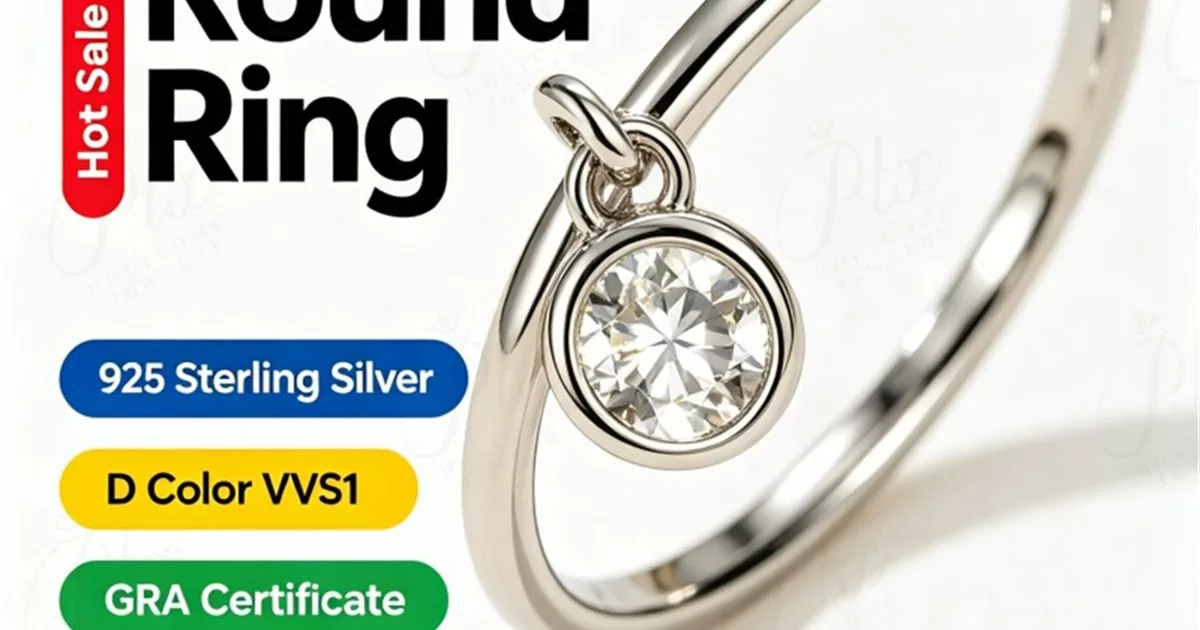
Resist the urge to offer silver, gold, rose gold, and black rhodium in season one. Each finish is a separate plating line, a separate QC test, and a separate customer expectation. Pick 925 sterling silver rhodium-plated as the default; it is the lowest-risk, fastest-to-market base. Add vermeil or gold-fill as a second tier in season two. For the alloy basics, the sterling silver reference and ISO 9202 grade 925 define what you are allowed to stamp. The partnership side is covered in building a brand with a factory partner.
Sizing, Packaging, and the Hero Repeat
Rings and bracelets need a size run. Earrings and pendants do not. Plan ring sizes 6-9 for a women's first line, and size 10 for the occasional men's piece. Packaging does not need to be custom on day one: a clean stock box with a branded card is enough. The upgrade to custom boxes can wait for the second reorder when you know the SKU. Compare options in branded boxes on a budget and custom packaging MOQ.
Most importantly, design one hero piece that can repeat. A collection of 15 one-off pieces has no reorder engine. A collection where the hero ring is 30% of units gives you a SKU to reorder at the volume tier after 8 weeks. That is the lever that turns a launch into a brand.
Plan the launch budget in three buckets: sample and tooling, first production run, and marketing. A common failure is spending the whole budget on inventory and having nothing left for photography and ads. Allocate roughly 60% to production, 20% to samples and tooling, and 20% to launch marketing. If the math does not close, cut SKUs rather than cut the marketing budget. A line no one sees is the same as a line that was never made, so protect the launch budget before you add the fourteenth SKU.
FAQ
How many SKUs should a first jewelry collection have?
10-15 SKUs is the practical launch size. Fewer than 8 feels thin; more than 20 spreads cash and QC too thin. Reorder the winners after sell-through data, do not pre-build the long tail.
What metal should a first jewelry line use?
925 sterling silver, rhodium-plated, is the lowest-risk base for a first collection. It is affordable, stampable, and familiar to customers. Add gold-fill or vermeil in season two.
What markup should a wholesale-to-retail brand plan?
Plan a 2.0-2.5x retail-to-wholesale multiple. That leaves room for discounts, returns, and marketing while keeping the margin you need to reorder.
Do I need custom packaging for launch?
No. Use clean stock boxes with a branded card for launch. Move to custom boxes once a SKU has sold through twice and you know the order volume.
How long should a first collection run before reordering?
Sell for 6-8 weeks, then reorder SKUs above your target sell-through and drop the rest. Do not reorder on gut; reorder on units sold.
Launching a first collection? HOLYCOME helps designers translate 10-15 SKUs into production-ready samples, with MOQ tiers and packaging that scale as you reorder. Send us your line sheet and we will mark which SKUs to start with.