Import & Compliance
HS Codes and Tariffs for Importing Silver Jewelry into the US and EU
7113 vs 7117 decides 5% vs 11% duty. Here are the 2026 tariff bands for US and EU silver jewelry imports, the fees brokers forget, and the compliance file riding in the same folder.
Your container of sterling silver chains cleared Shenzhen with a clean commercial invoice, and then your US broker calls: the 6-digit heading you used put the goods under a jewelry heading with an 11% duty instead of the 5% the importer next door is paying. Six weeks later the EU line gets a REACH query. Classification and compliance paperwork travel together — get the HS code right once and both sides get cheaper.
The HS headings that actually cover your goods
Jewelry is split across chapter 71 of the Harmonized System. Headings you will meet:
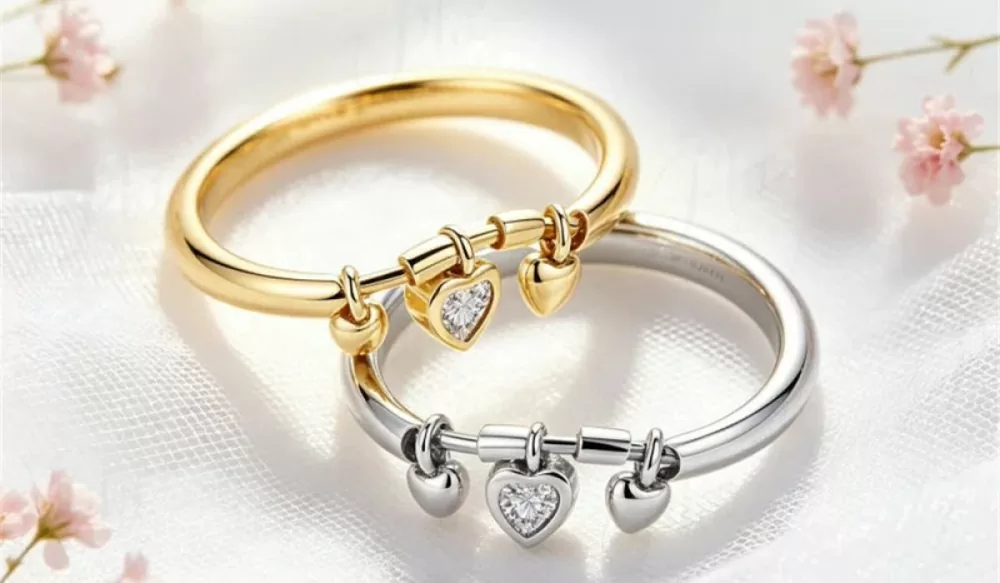
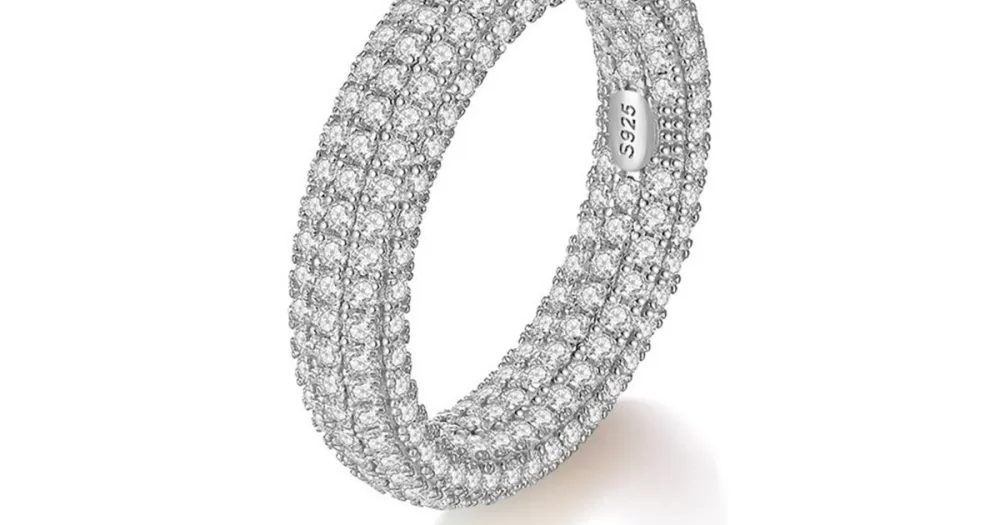
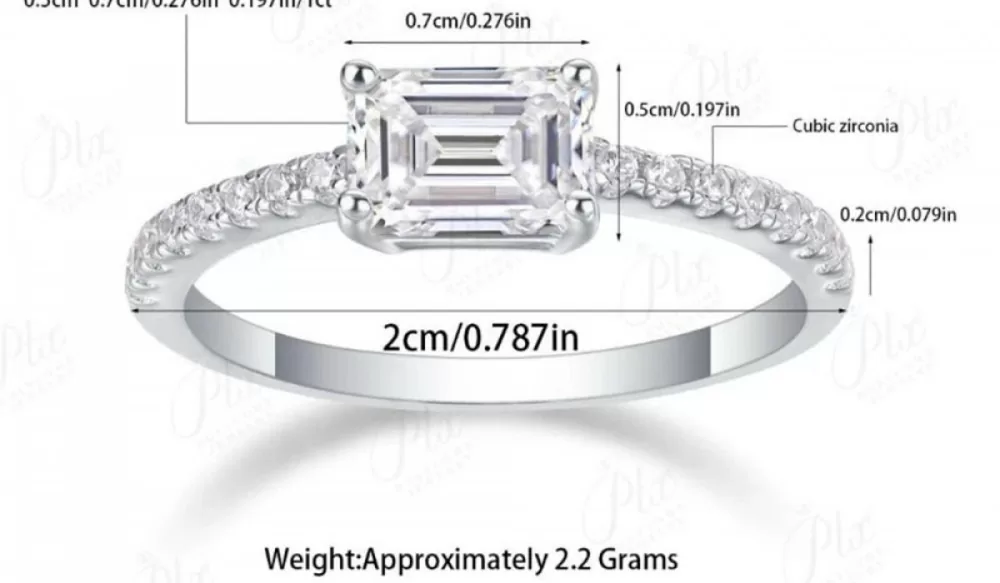
- 7113 — articles of jewelry and parts thereof, of precious metal or rolled precious metal. Sterling 925 rings, necklaces, bracelets land here.
- 7117 — imitation jewelry, base metal not clad with precious metal. Most plated fashion brass pieces land here, at materially lower duty rates in both the US and EU.
- 7116 — articles of natural or cultured pearls, precious or semi-precious stones.
The 8-digit and 10-digit subdivisions decide the duty rate. US importers classify under HTSUS chapter 71; the exact subheading (for example 7113.11.50 for silver jewelry, whether or not set with stones) determines whether you pay 5%, 7.1% or 11%. EU importers use the Combined Nomenclature under the same 6-digit WCO basis. A binding ruling — CBP in the US, the BTI in the EU — is worth the USD 200-500 in legal fees for any SKU you will reorder quarterly.
Duty math for the 2026 landscape
Rule-of-thumb landed cost: sterling 925 under 7113 typically carries 5-11% duty into the US, 2.7-4% into the EU, plus MPF and HMF fees in the US (roughly 0.3464% of value, capped) and VAT in the EU at the destination country rate (19-25%, recoverable by VAT-registered importers). Imitation jewelry under 7117 usually enters the US duty-free or near-free. Get the split right and a 1,000-piece silver order saves USD 400-700. Because duty is paid on customs value, invoice every stone line separately: moissanite is a lab-created stone, and its classification differs from natural diamond — read GRA vs IGI vs GIA papers before you declare stone origins.
The compliance paperwork riding in the same folder
Classification does not stand alone. US entries need karat-stamp accuracy meeting FTC 16 CFR Part 23; mis-stamped karat is not a classification error, it is an FTC violation that can trigger seizure. EU entries need the nickel-release file under REACH Annex XVII (EC 1907/2006) that we cover in REACH nickel release limits; customs will ask for the EN 1811 report at random. And because you are the importer of record, choose your payment structure so the factory cannot walk away from rework obligations — compare structures in TT, escrow and LC and match them to the value of each shipment. New buyers should also read the factory audit checklist before letting a supplier choose the HS code for you.
Three classification mistakes that cost real money
First, declaring plated brass as sterling to "simplify" — doubles duty and invites seizure. Second, treating a watch chain as a watch part (heading 9113) when it is sold as jewelry. Third, omitting the stone-setting distinction: pieces set with stones are classified separately from unset bands even in the same alloy. Keep a one-page classification sheet per SKU: HTS number, EU CN number, declared value basis, and the compliance documents attached. Reuse it on every reorder.
Who files what — and what happens when the broker guesses
Many new importers let their broker pick the heading to clear goods fast. Brokers clear hundreds of entries a day; they are not your compliance officer. A wrong filing can be corrected retroactively, but voluntary disclosure of underpaid duty costs interest and admin penalties, and a deliberate misclassification can draw a penalty of the article's domestic value. The safe division of labour: you supply the classification sheet, the broker files against it, and any ruling disagreement goes to a customs attorney before shipment, not after landing. For first-time filings, budget one attorney consultation (USD 300-600) to lock your core headings — it pays for itself on the second container.
FAQ
Do we need a binding ruling for every SKU?
No. Get a CBP ruling (US) or BTI (EU) for categories you will reorder at least four times a year. One ruling per heading per category usually covers an entire season.
Is moissanite declared as diamond?
No. Declare it as lab-created moissanite with stone weight per piece. Declaring it as diamond is both a classification error and a consumer-protection problem under 16 CFR 23. See certificate types.
Who pays if the HS code is wrong?
The importer of record — you. Brokers advise; they do not absorb re-duties or penalties. Keep the classification sheet in your own files, not only in the broker's system.
How are US MPF and HMF calculated in 2026?
Merchandise Processing Fee is roughly 0.3464% of entered value with statutory min/max caps; HMF applies to ocean shipments only at about 0.125%. Build both into landed-cost math, not just the duty rate.
HOLYCOME provides a classification-ready commercial invoice per SKU — alloy, stone content, gross/net weight — so your broker files once and correctly. Request our import dossier with the 2026 wholesale price list.