Import & Compliance
Importing Lab-Grown Diamonds: Traceability and Disclosure Rules That Apply
Lab-grown diamonds must be disclosed, graded and traceable from grower to retailer. Here are the disclosure rules, the papers that hold up, and the file importers must keep per SKU.
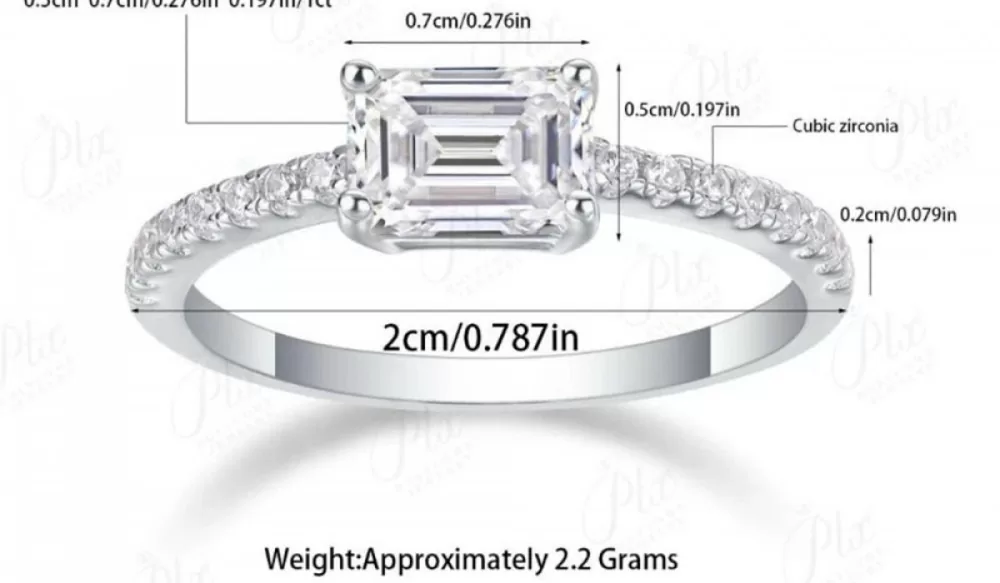
Your US customer returns a 1-carat solitaire: the tag said "created diamond" but the lab report in the box was a moissanite certificate, and the buyer's jeweller told them it was not diamond at all. The FTC does not care who made the mistake — the seller is responsible for the disclosure, and the importer of record is the seller's upstream evidence holder. Importing lab-grown diamonds in 2026 is a traceability business as much as a sourcing one.
What the disclosure rule actually requires
Under FTC 16 CFR Part 23 and the Jewelry Guides, lab-grown (also called created or synthetic) diamonds must be disclosed as such — not sold as "diamond" alone, not as "real diamond," and not silently. Acceptable terms include "lab-grown diamond," "created diamond," "synthetic diamond." Terms like "cultured diamond" are discouraged because they blur with natural. The disclosure must appear on the tag, the invoice and the web listing. Equally important: lab-grown diamond is not the same stone as moissanite, cubic zirconia or white sapphire — see the certificate comparison for why mixing them up is the most common FTC action in this category.
The paper chain a credible shipment carries
A compliant lab-grown diamond shipment arrives with, per stone: a grading report from an independent lab — IGI is the dominant name for lab-grown, GIA issues its own lab-grown reports, and NGTC is accepted in the China export chain; a laser-inscribed girdle number matching the report; and a grower or manufacturer reference linking the stone to the growth lot. Keep all three in a folder per SKU. The girdle inscription is what protects you in a customer dispute: it proves the stone in the box is the stone on the report.
Chain of custody in practice
Traceability is not a marketing phrase — it is a folder. For each SKU, keep: the grower's origin declaration, the cutting factory's packing list with report numbers, the grading report, the girdle-inscription photo, and your import entry (commercial invoice, packing list, HS classification). When a regulator or a retail customer asks where the stone came from, you trace it within hours, not weeks. For the classification side, read HS codes and tariffs for jewelry imports; lab-grown diamond jewelry is classified on the article (the ring, pendant), not separately on the stone, but stone content must be declared on the invoice. EU buyers additionally keep the nickel-release file under REACH nickel limits, because the setting, not the stone, drives that risk.
What changes when you move from moissanite to lab-grown
Two things get stricter and one thing gets more expensive. Stricter: disclosure language, because "lab-grown diamond" sits next to natural diamond in the customer's mind and the FTC watches the category. Stricter: grading expectations, because customers shopping at USD 800+ per carat expect independent lab paper. More expensive: the IGI or GIA report adds USD 25-80 per stone at factory level, and matched-lot colour consistency across an eternity band costs more than a single solitaire. If you are building a tennis bracelet line on lab-grown rather than moissanite, price that certificate load in from the start — see tennis bracelet stone count and karat options.
Three importer mistakes that draw FTC attention
First, listing lab-grown as "diamond" in the title and only disclosing "lab created" in a bullet point three screens down. Second, mixing moissanite and lab-grown SKUs in the same listing and letting the disclosure line refer to only one. Third, accepting a supplier's in-house "lab certificate" with no independent lab name and no girdle inscription. All three are fixable by insisting on independent reports and honest disclosure language at PO stage — see the PO checklist in what to put in a first wholesale PO.
FAQ
Is lab-grown diamond the same as moissanite?
No. Lab-grown diamond is diamond (carbon, same physical and optical properties as natural, grown by HPHT or CVD). Moissanite is silicon carbide, a different mineral with a different look. They must be labelled differently.
Which lab report should we stock on?
IGI for most wholesale lab-grown lines; GIA if your retail price point is above roughly USD 1,500 per stone and your channel expects GIA. In-house factory reports alone are not sufficient for disclosure-grade retail.
Do we need a girdle inscription on every stone?
Yes for loose-stone sales and finished jewelry over roughly USD 300 retail. The inscription links the physical stone to the report number and ends wrong-stone-in-the-box disputes.
Who is responsible if disclosure is wrong at retail?
The seller (your retail customer) is the FTC-facing party, but they will come back to you as the supplier. Your PO and your paper file are the evidence that you disclosed correctly upstream — keep them.
HOLYCOME supplies lab-grown diamond and moissanite finished lines with independent IGI/GRA reports, girdle inscriptions and a per-SKU traceability folder. Ask for the traceability sample pack and current price list.