Import & Compliance
REACH Nickel Release Limits Every Jewelry Importer Must Check
Nickel release limits under REACH Annex XVII are enforced against the EU importer, not the factory. Here is the numeric standard, the test to require, and the file to keep per batch.
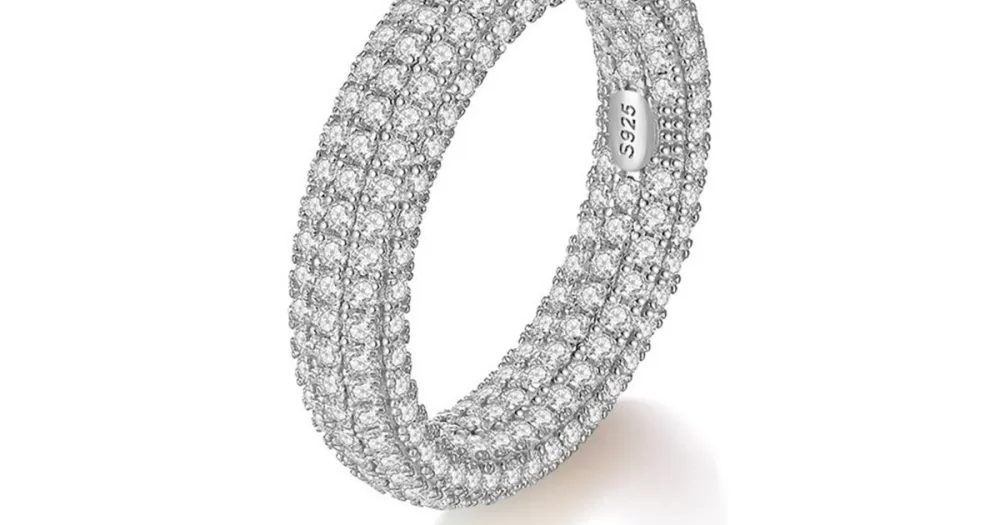
You placed a 500-piece sterling silver ring order from Shenzhen, landed it in Hamburg, and two weeks later a German retailer returns the whole lot: skin reddening complaints and a nickel-release lab test above the limit. As the EU importer of record, that recall lands on your desk, not the factory's. Nickel allergy is the most common contact allergy in Europe, affecting an estimated 15-20% of women, and EU law has held importers, not makers, accountable since the restriction entered force.
What the nickel limits actually say
The binding limit lives in REACH Annex XVII (EC 1907/2006), entry 27 of Annex XVII. Two numbers matter for jewelry buyers:
- Nickel release from posts and earrings: must not exceed 0.2 micrograms per square centimetre per week.
- Nickel release from all other items in direct and prolonged skin contact (rings, bracelets, necklaces, watch cases, zippers): must not exceed 0.5 micrograms per square centimetre per week.
These are release rates measured over a defined corrosion test, not the percentage of nickel in the alloy. A piece can read 10% nickel in XRF and still fail if the nickel leaches out under sweat. The testing method follows EN 1811, with the reduced EN 12472 simulated wear-and-corrosion procedure applied first. For practical sourcing, ask every factory for an EN 1811 test report from an ISO 17025 lab (SGS, Intertek, TÜV or Bureau Veritas are the names your customs broker will accept), not a sales-sheet claim. Check the report date, the alloy tested, and whether it covers the exact plating bath used on your line.
Where failures actually happen
In our supplier-audit work, three failure modes recur. First, cheap brass base with a thin nickel underplate under the final gold or rhodium dip: the nickel barrier wears through in 3-6 months of wear and the release spikes. Second, earring posts and clasps sourced from a hardware bin rather than from a dedicated jewelry fastener supplier; posts are the most-tested item in the EU market. Third, white sterling silver that relies on nickel-containing whitening instead of the tin-zinc alternative. If you are structuring your first vendor shortlist, read our walkthrough on auditing a Chinese jewelry factory before your first order and make nickel-testing evidence item number one on the document checklist.
What your compliance file needs
Beyond the test report, keep: the supplier's material declaration per SKU, a copy of the CE-relevant conformity documentation, batch traceability (PO number linked to plating lot), and your own internal risk assessment. Border control cooperation under the Safety Gate system means notified consignments are traceable backward to the importer within days. Because the importer of record is also the party filing customs classification, your tariff work and your compliance file live together — see HS codes and tariffs for importing silver jewelry into the US and EU for how the two paperwork sets interlock. If your line includes moissanite or other stones, gemstone disclosure rules run in parallel; start from which certificate matters for moissanite before you print packaging claims.
Practical check sequence before each reorder
Re-test every time the factory changes base metal supplier, plating vendor, or polish line. A 2024 batch that passed says nothing about a 2026 batch after a bath change. Ask for one random unit from the first production lot sent to a third-party lab, budget roughly USD 150-300 per SKU for an EN 1811 report, and hold shipment clearance until the report is in hand. This is cheap insurance against a recall that can erase a year of margin on a single SKU line.
FAQ
Do we test sterling silver 925 itself, or only the plating?
Test the finished piece as sold — post-plating. Sterling 925 may contain residual nickel, but the release limit applies to the item in direct skin contact, which includes the final plate. A report on bare alloy is not a defence at customs.
Who is liable if a shipment fails at EU customs?
The importer of record. That is your entity, not the factory. Non-compliant goods can be refused entry or destroyed, and Safety Gate notifications carry public names. Build the test into the PO, not after landing.
Is the 0.5 µg/cm²/week limit enough for sensitive-ear customers?
It is the legal floor, not a clinical guarantee. For ear-wire and ear-post lines, target the stricter 0.2 limit voluntarily across the whole earring category; several retailers in our network use "nickel-free plating" certified by EN 1811 as a selling point rather than a legal minimum.
How often must we retest?
Per material change, per new supplier, and at least annually for stable lines. If the factory issues a new plating lot number, treat it as a new SKU for compliance purposes.
Stocking a line that must survive EU nickel enforcement? HOLYCOME supplies sterling 925 and brass-core fashion jewelry with EN 1811 test reports issued per batch, MOQs from 50 pieces per SKU, and private-label tags. Request our compliance pack and current wholesale price list for the 2026 season.