Import & Compliance
Importing Jewelry from China: HS Code Basics First-Time Buyers Skip
The difference between a 6.5% duty and a near-20% duty on your silver shipment is a ten-digit code picked wrong at the proforma stage.
A first-time importer in Columbus booked a container of sterling silver rings from Guangzhou and let the forwarder pick the HS code. At the border, customs reclassified the shipment, assessed duty on the higher bracket, and held the boxes for nine days while paperwork was corrected. The whole delay came down to one decision: which heading the jewelry fell under. If you import jewelry from China, the HS code is not a customs formality. It decides your duty rate.
The two headings that decide most jewelry duty
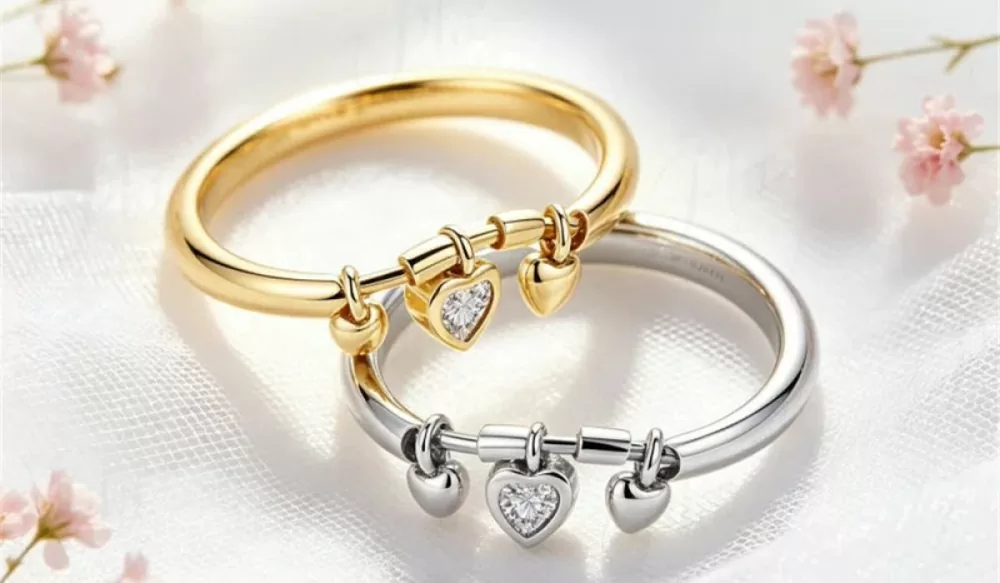
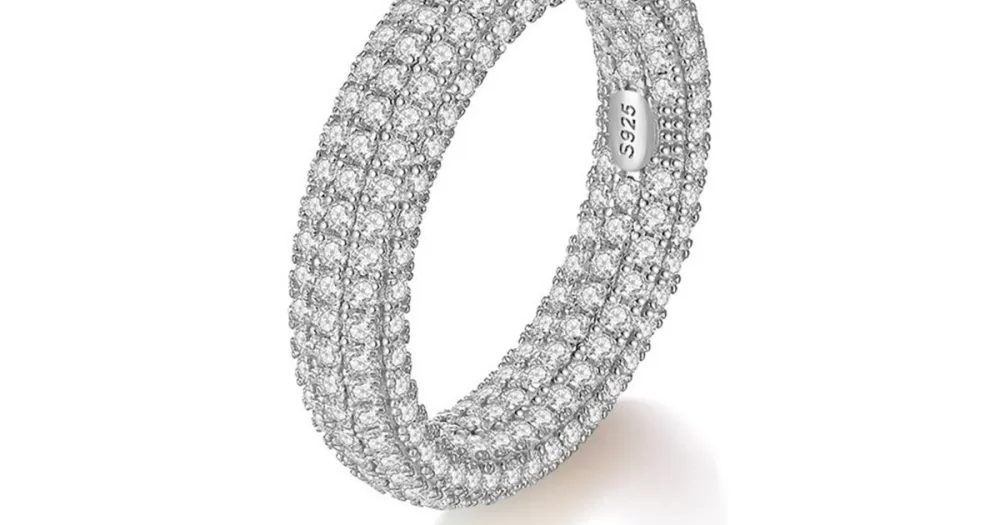
Nearly all imported jewelry splits into two chapters of the harmonized system. Heading 7113 covers articles of precious metal or rolled precious metal, which includes solid gold, sterling silver, and platinum pieces. Heading 7117 covers imitation jewelry, which is base metal with no precious-metal content. The distinction is material, not looks. A silver ring is 7113; a brass ring plated to look silver is 7117. The duty and inspection expectations differ sharply between the two. You can read the trade-side comparison on sterling silver composition to confirm whether your goods qualify as precious metal.
Under 7113, the ten-digit subheading further splits by metal: silver, gold, or platinum, and whether the item is set with stones. A moissanite or lab-grown diamond piece still classifies by its mounting metal, not by the gem, because the stone is synthetic. This is where first-time buyers slip: they assume a diamond ring carries diamond duty, when the mounting material governs the code. For a worked example on silver specifically, see our silver jewelry HS and tariff breakdown.
What to ask your supplier before the code is chosen
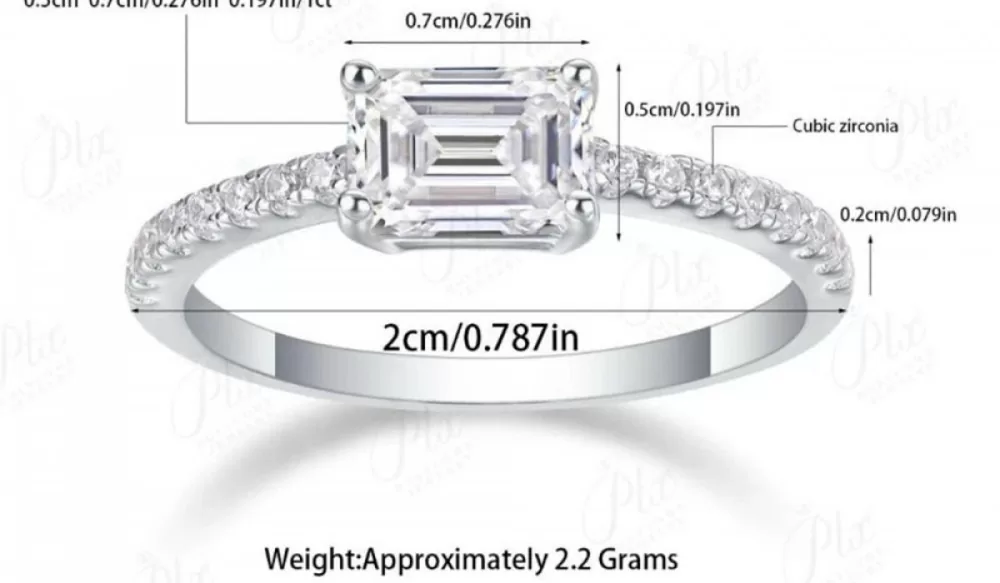
The supplier proforma invoice should already state the material composition. If it says fashion jewelry without metal content, you cannot safely assign a code. Ask for: the metal alloy and fineness (925 sterling, 304 stainless, brass); whether stones are natural, lab-grown, or simulants; and the gross weight by SKU. With those three answers, your broker can choose between 7113 and 7117 instead of guessing. New to the paperwork flow? Our first wholesale order PO checklist shows where these fields belong.
Why a wrong code costs more than duty
Misclassification triggers three costs. First, the assessed duty difference, which can be several points on the whole shipment. Second, storage and demurrage while the entry is amended. Third, a higher risk score for your importer record, which means more inspections on future shipments. Buyers who run a growing line notice the slowdown after the second container. If you ship into the EU specifically, the rules layer on top of REACH and nickel limits; we cover that in EU customs basics for jewelry. Export-side paperwork has its own trap, covered in jewelry export packing list basics.
When to use a broker versus filing the entry yourself
First-time importers often ask whether they can file the customs entry themselves to save the broker fee. For a single shipment under a few thousand dollars, a broker usually costs $100 to $200 and removes the risk of a misclassified entry. The math favors the broker: one wrong code can cost more in duty and storage than a year of broker fees. Use a broker until you have filed five or six clean entries and understand the entry form, then decide whether to self-file. Whichever route you take, the supplier paperwork has to be accurate first; the broker cannot fix a proforma that omits metal content.
Who is responsible for the HS code, me or my supplier?
The importer of record carries the legal responsibility, which is usually you, not the Chinese factory. Your supplier and forwarder may suggest a code, but you confirm it. Keep the email trail that proves the composition they declared.
Does lab-grown or moissanite change the HS code?
Rarely. The code is driven by the mounting metal. A 14K gold ring set with a lab-grown stone still falls under the gold heading of 7113. The synthetic nature of the stone matters for disclosure rules, not usually for the heading.
What happens if I choose the lower-duty code to save money?
That is misclassification, and it is caught more often now as postscreening gets faster. The savings on one shipment is small next to a reclassification bill, penalties, and a damaged importer file. Use the accurate code every time.
Do I need a different code for branded private-label pieces?
No. Branding does not change the HS heading. Your own logo on a silver ring is still 7113. What changes is your trademark and origin documentation, not the duty code.
Getting the code right on the proforma saves the whole shipment. Before you place your next order from China, send us the SKU list with metal composition and stone type; we quote with material declarations that match a clean customs entry. Open a wholesale account and get HS-ready invoices on every PO.